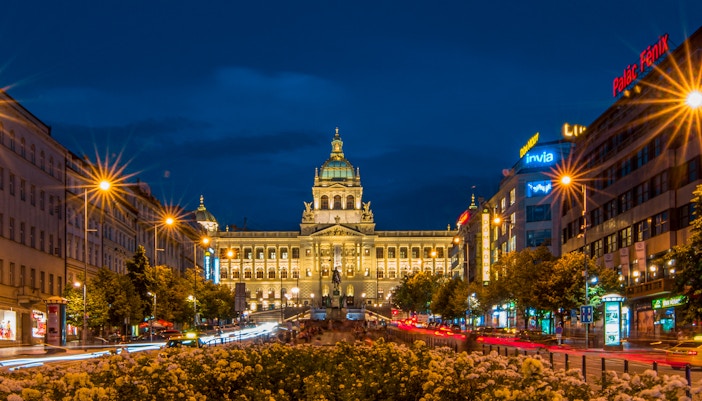
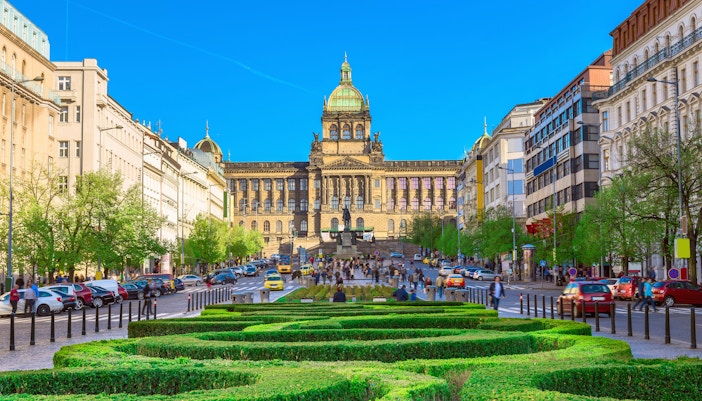
- Also known as: Národní Muzeum
- Address: Vaclavske namesti 68, 115 79 Prague 1, Czech Republic
- Date of opening: 1818
- Timings: 10 AM to 6 PM Everyday
- Architect: Josef Schulz
- Architectural style: Neo-Renaissance
- UNESCO World Heritage Site: No
- Number of visitors per year: Over 1 million
- Collection size: Over 14 million items
- Fun Trivia: The museum has been featured in several films, including the James Bond movie ‘Casino Royale.’
Quick Information
ADDRESS
Václavské nám. 68, 110 00 Praha 1-Nové Město, Czechia
RECOMMENDED DURATION
3 hours
Timings
10:00–18:00
TICKETS
From $21.79
The National Museum in Prague is a must-visit destination for anyone interested in history, culture, or science. The museum is home to an impressive collection of over 14 million items, ranging from natural history to archaeology, and includes exhibits on the Czech Republic's history, art, and science.
With fascinating exhibits, stunning architecture, interactive displays, and a wealth of knowledge, it's no wonder that the museum attracts millions of visitors every year. Let's dive in and explore all that this incredible attraction has to offer!
Prague National Museum | Quick Facts
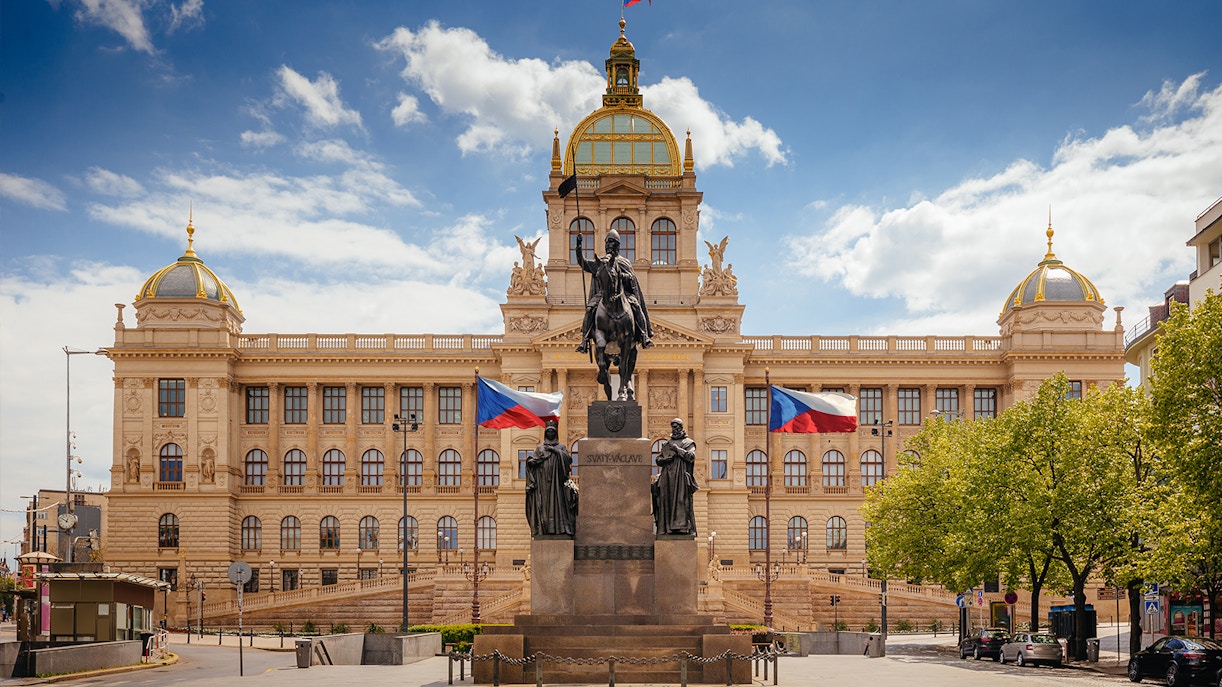
What Is Prague National Museum?
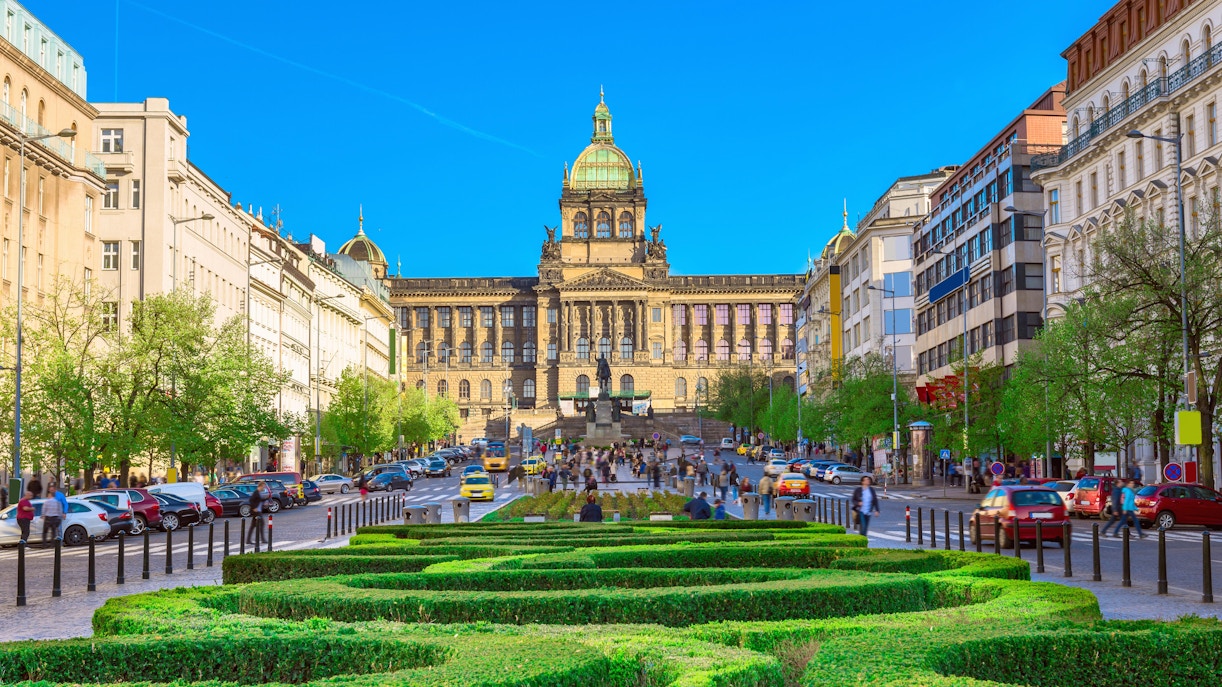
The Prague National Museum was established in 1818 and is considered one of Europe's oldest and largest museums. It boasts a large number of exhibits divided into several sections, including history, music, numismatics, and ethnography. Here are a few reasons why Prague National Museum is a must-visit:
- Explore the rich history of the Czech Republic: Learn about the country's past through an extensive collection of historical documents, artifacts, and artworks.
- Admire stunning architecture: The museum building is a masterpiece of Neo-Renaissance architecture and is a must-see for architecture enthusiasts.
- Experience interactive exhibits: Some exhibits in the museum are interactive, allowing visitors to engage with the displays and learn in a fun way.
- Convenient location: The museum is located in the heart of Prague, making it easily accessible for visitors.
Brief History of Prague National Museum
- 1818: The museum was founded as the "Patriotic Museum" by Kašpar Maria Šternberg, a prominent Czech scientist and scholar.
- 1891: The current building was completed after nearly 20 years of construction.
- 1945: The museum suffered significant damage during the Prague Uprising and World War II. However, the museum staff was able to save many valuable collections.
- 1948: The museum was restored and reopened to the public.
- 1960: The museum was nationalized by the Czechoslovak government and renamed the National Museum.
- 2011: The museum underwent a major renovation and modernization project that took over seven years to complete.
- 2018: The museum celebrated its 200th anniversary with a range of special exhibitions and events.
Collections at Prague National Museum
Being the largest museum in the Czech Republic, the National Museum is a treasure trove of history and culture. It boasts a vast collection of artifacts and exhibits that are sure to captivate visitors of all ages and backgrounds. Below are some of the top collections you can expect to see at this fascinating attraction.
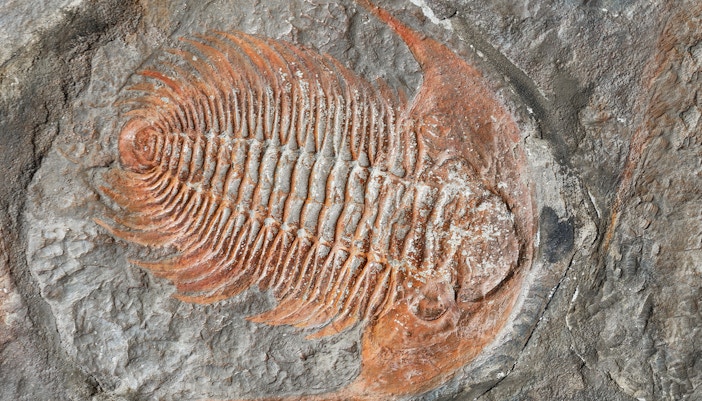
Natural Science Exhibitions
Explore the wonders of the natural world through the National Museum's Natural Science exhibitions. The museum has an extensive collection of minerals, rocks, and fossils and exhibits that focus on the flora and fauna of the Czech Republic.
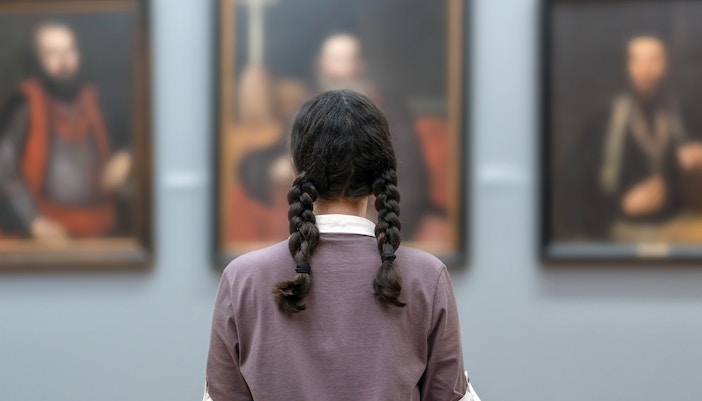
Art Collections
The art collections at the National Museum are a true delight for art lovers. From paintings and sculptures to decorative arts and photography, there's a lot to see. Visitors can also see works by famous Czech and European artists like Rubens and Rembrandt.
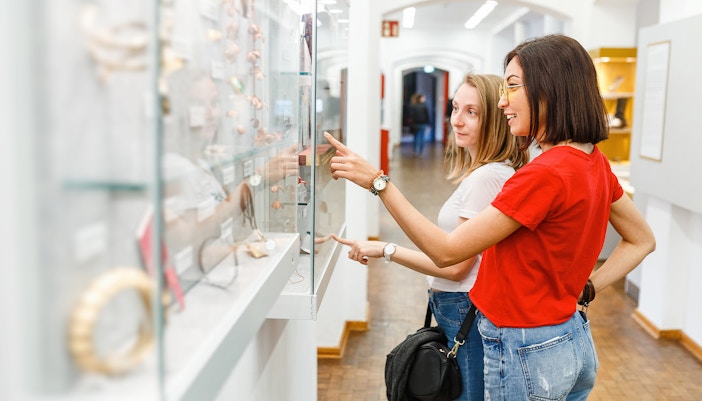
Music Exhibitions
The National Museum is also home to a collection of musical instruments and exhibits related to the history of Czech music. Don't miss the chance to see original scores and manuscripts of famous composers such as Mozart and Beethoven.
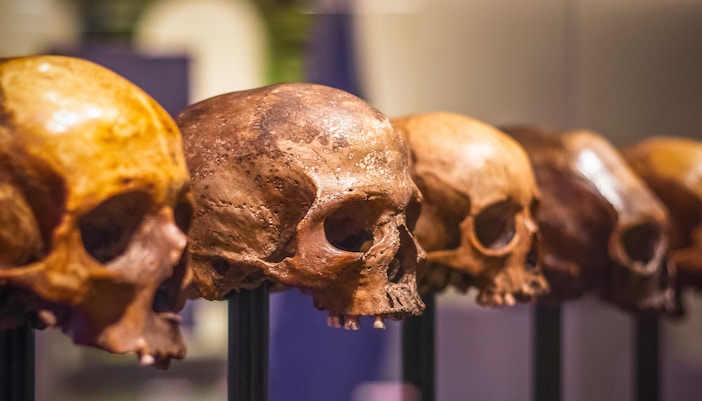
Anthropology Exhibitions
Explore the diversity of human cultures and learn about human evolution through the Anthropology exhibitions. Here you'll find exhibits on traditional clothing, tools, and other artifacts from different cultures around the world.
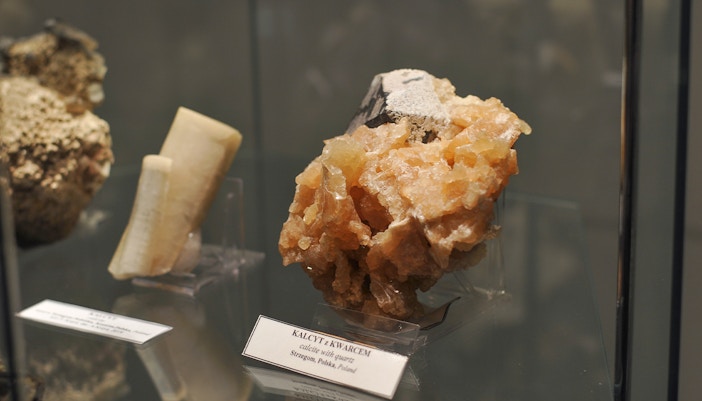
Unique Collections
The Prague National Museum is home to some unique and interesting collections, such as the Mineralogical and Petrological Collections, which contain over 15,000 minerals and 10,000 rocks from all over the world.
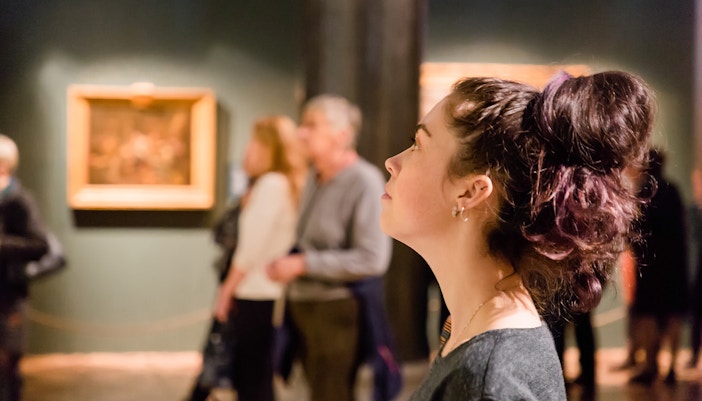
Special exhibitions
The museum also hosts a variety of special exhibitions throughout the year, so make sure to check the schedule before you visit. These exhibitions cover a range of topics, from contemporary art to archaeology, and are always well worth seeing.
Who Built Prague National Museum?
The Prague National Museum was designed by the Czech architect Josef Schulz, who won a competition to design the building in the late 19th century. Schulz's design was inspired by a combination of neo-renaissance and neo-romantic architectural styles, which he believed would give the building a timeless elegance. Construction of the museum began in 1885 and was completed in 1891.
Schulz's other notable works include the Rudolfinum and the National Theatre. However, the Prague National Museum is widely considered to be his masterpiece and remains one of the most iconic buildings in the city.
Architecture of Prague National Museum
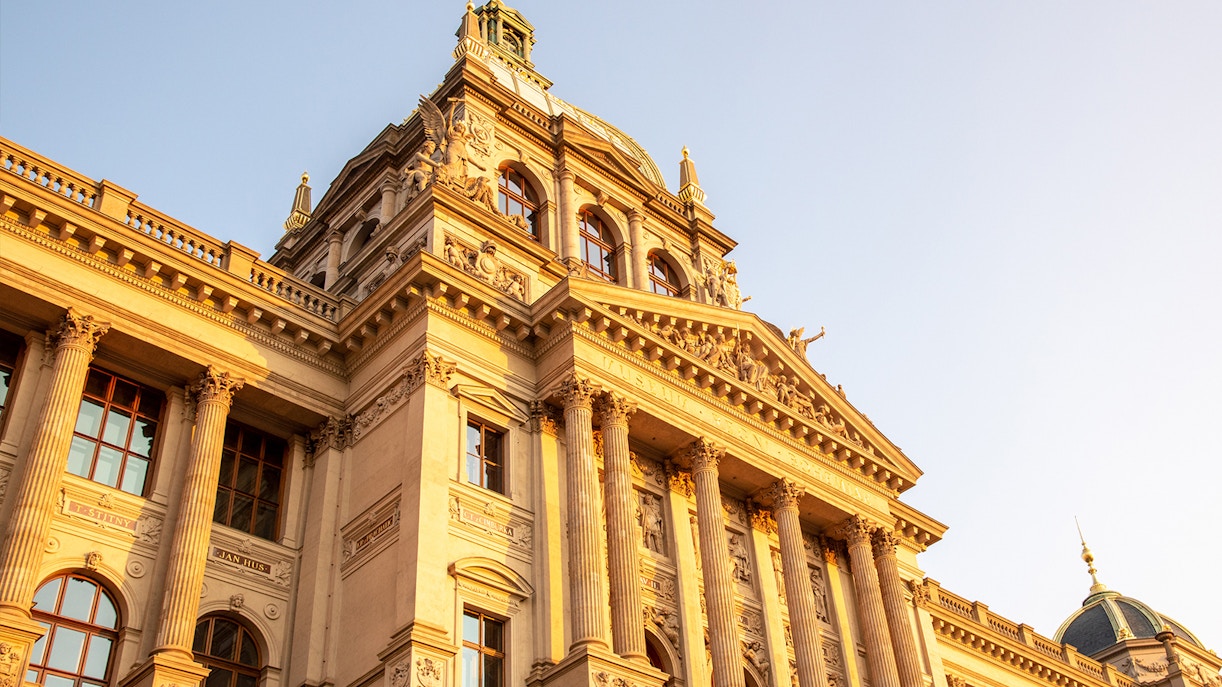
The Prague National Museum is a magnificent example of neo-renaissance and neo-romantic architecture. The building is over 130 years old and was designed to be a grand cultural institution.
It was constructed using a combination of brick and stone and features a variety of architectural elements, including arches, columns, and pediments. The façade is adorned with sculptures and reliefs that depict significant moments in Czech history. The interior of the museum is equally impressive, with a grand staircase, marble floors, and soaring ceilings.
Fun fact: The museum's central hall features a stunning mosaic ceiling that took over a year to complete and is made up of over 50,000 individual tiles.
Plan Your Visit to Prague National Museum
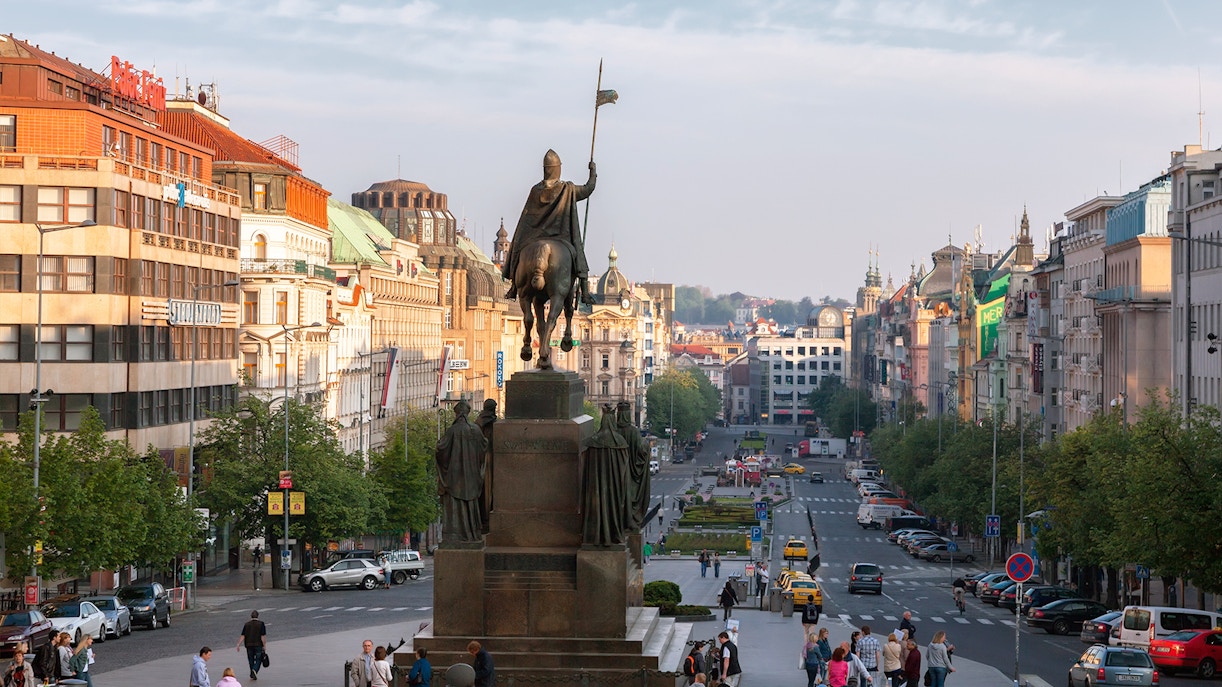
Address: Vaclavske namesti 68, 115 79 Prague 1, Czech Republic
Location: Prague National Museum is located in the heart of Prague, the capital city of the Czech Republic. It lies near Wenceslas Square, one of the most popular tourist destinations in Prague. The location is quite convenient, so you can easily reach the museum by public transport or on foot.
Nearest Metro and Tram Station: Muzeum station
Other Information: Visitors are required to purchase entry tickets. You can purchase tickets online or at the museum’s ticket office. We recommend purchasing your Prague National Museum tickets online in advance to avoid waiting in lines.
10 AM - 6 PM Everyday
Last Entry: 5 PM - 5:30 PM
Best Time To Visit: The best time to visit Prague National Museum is in the morning when the museum is less crowded. This will allow you to explore the exhibits at your own pace without the hassle of crowds. We also recommend visiting on weekdays to avoid the weekend rush.
Frequently Asked Questions About The National Museum in Prague
The Prague National Museum is an important institution that plays a crucial role in preserving and promoting the cultural heritage of the Czech people. The museum's extensive collections provide a unique insight into the history, art, and culture of the Czech Republic.
Yes, visitors need to purchase tickets to visit Prague National Museum.
Yes, visitors can purchase Prague National Museum tickets online.
Children under the age of 15 can enter the Prague National Museum for free.
The Prague National Museum is located in the heart of Prague, at the top of Wenceslas Square. The address is Václavské náměstí 68, 115 79 Prague 1, Czechia.
You can buy tickets to visit the museum every Thursday & Saturday at 9:45 AM & 1:55 PM.
The Prague National Museum is popular with tourists, so it's best to visit early morning or later in the day to avoid crowds. The museum is also less crowded on weekdays.
The Prague National Museum was established in 1818, making it one of the oldest museums in Europe.
You can see artifacts and specimens related to archaeology, ethnography, geology, mineralogy, and paleontology, as well as artworks from various historical periods, including medieval and modern Czech art. The museum also features special exhibitions and events throughout the year.