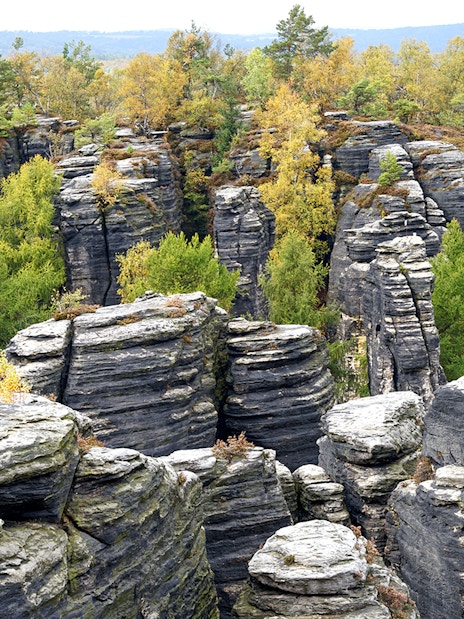
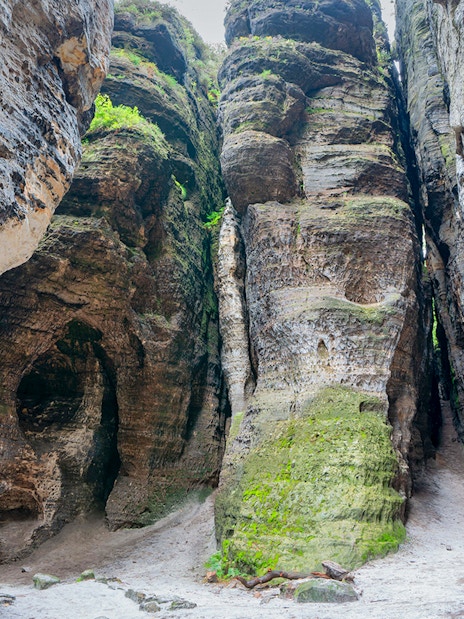
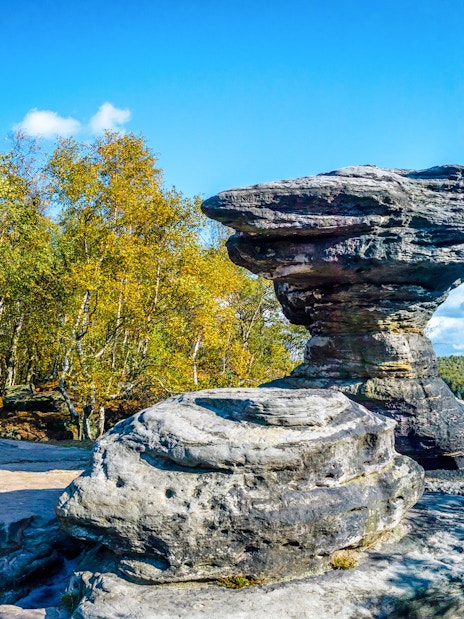
Saxon Switzerland National Park is a dramatic landscape of sandstone towers, deep gorges, and forested plateaus carved by the Elbe River. Celebrated by Romantic painters in the 18th century, this borderland wilderness inspired myths of hidden fortresses and stone labyrinths, earning its reputation as one of Central Europe’s most striking natural regions.

Where is it located

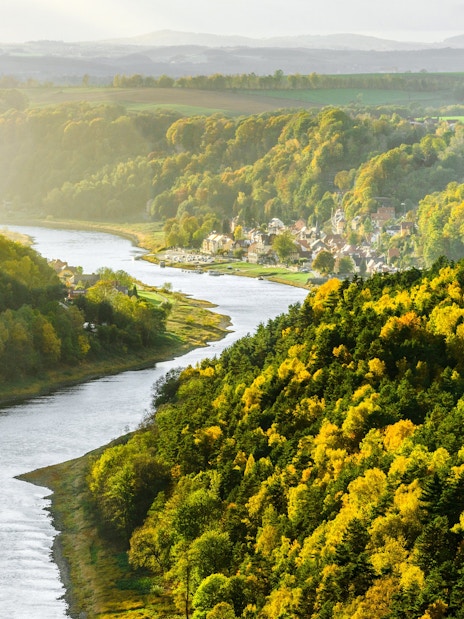
The park stretches along the Elbe River in eastern Germany, just beyond the Czech border, opposite Bohemian Switzerland. It lies southeast of Dresden and forms a continuous sandstone landscape shared by both countries, marked by cliffs, mesas, and river valleys.

How to access

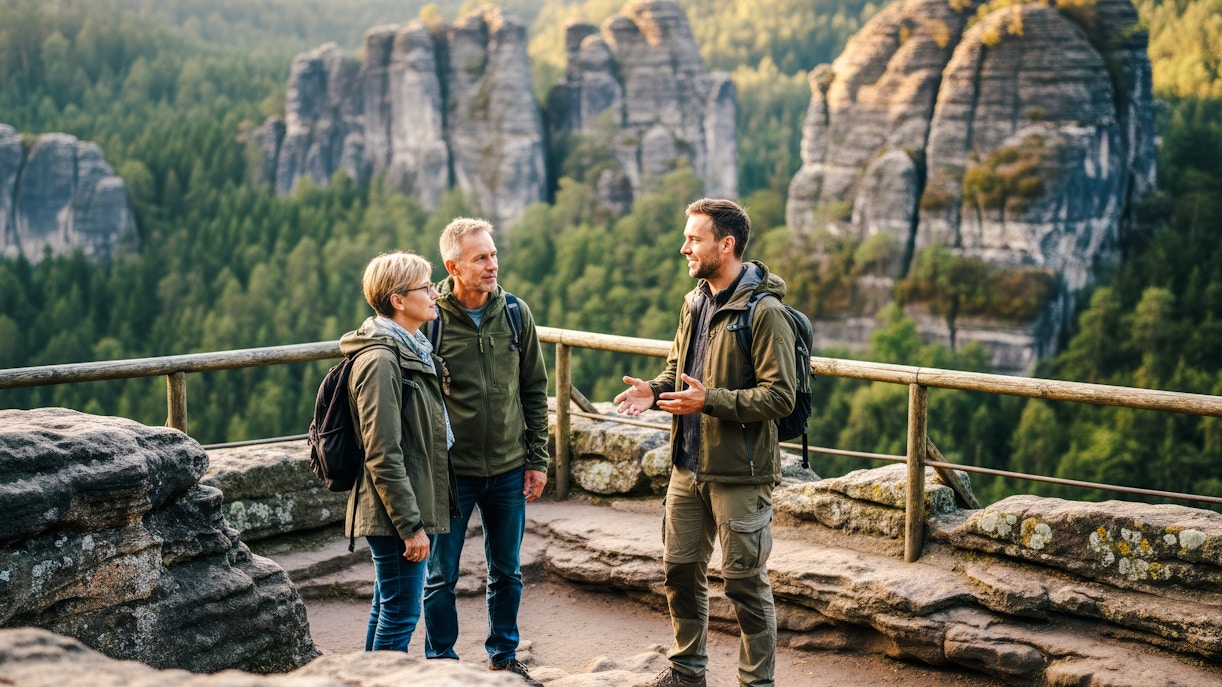
You typically visit Saxon Switzerland National Park on a Bohemian–Saxon Switzerland combo day tour from Prague. These guided trips handle cross-border transport and cover key viewpoints and rock formations, making it the most convenient way to experience both regions in a single day.

Things to note before booking Saxon Switzerland National Park tickets

  • Saxon Switzerland is most commonly visited on Bohemian–Saxon Switzerland combo day tours from Prague. These tours handle cross-border transportation into Germany and organize visits to the park’s main viewpoints, which is far simpler than navigating regional trains and buses on your own.
  • The park visit usually focuses on key highlights rather than full hikes. Day tours are designed to cover major viewpoints and landmarks efficiently, not long-distance trekking, making them suitable even if you’re not an experienced hiker.
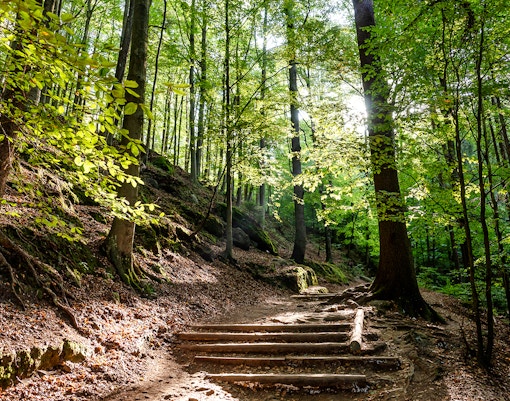
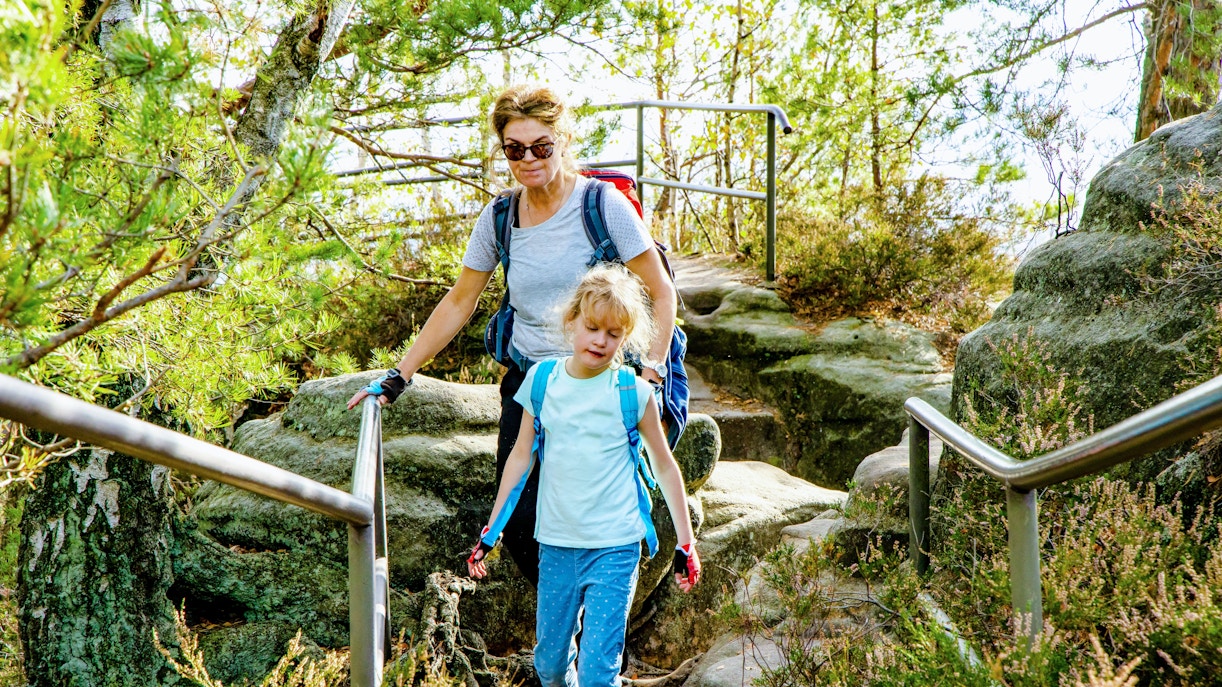
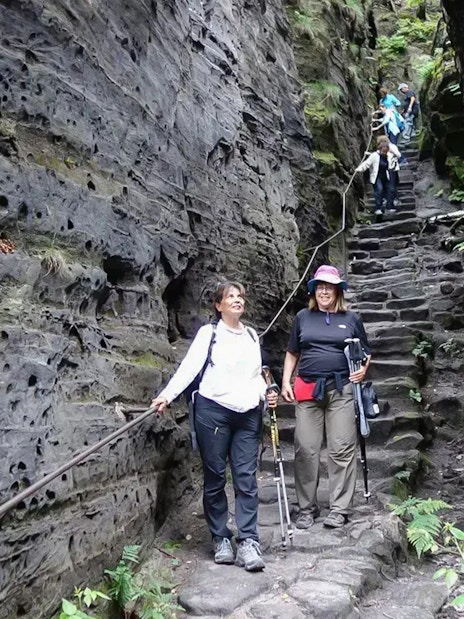
  • Walking routes involve uneven terrain. Expect forest paths, stone steps, and rocky sections throughout the park. While distances are manageable, the terrain is not wheelchair accessible and may be challenging for visitors with limited mobility.

Why Saxon Switzerland deserves a spot on your Prague itinerary

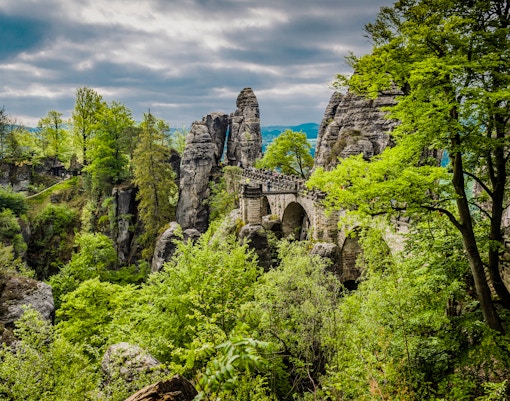
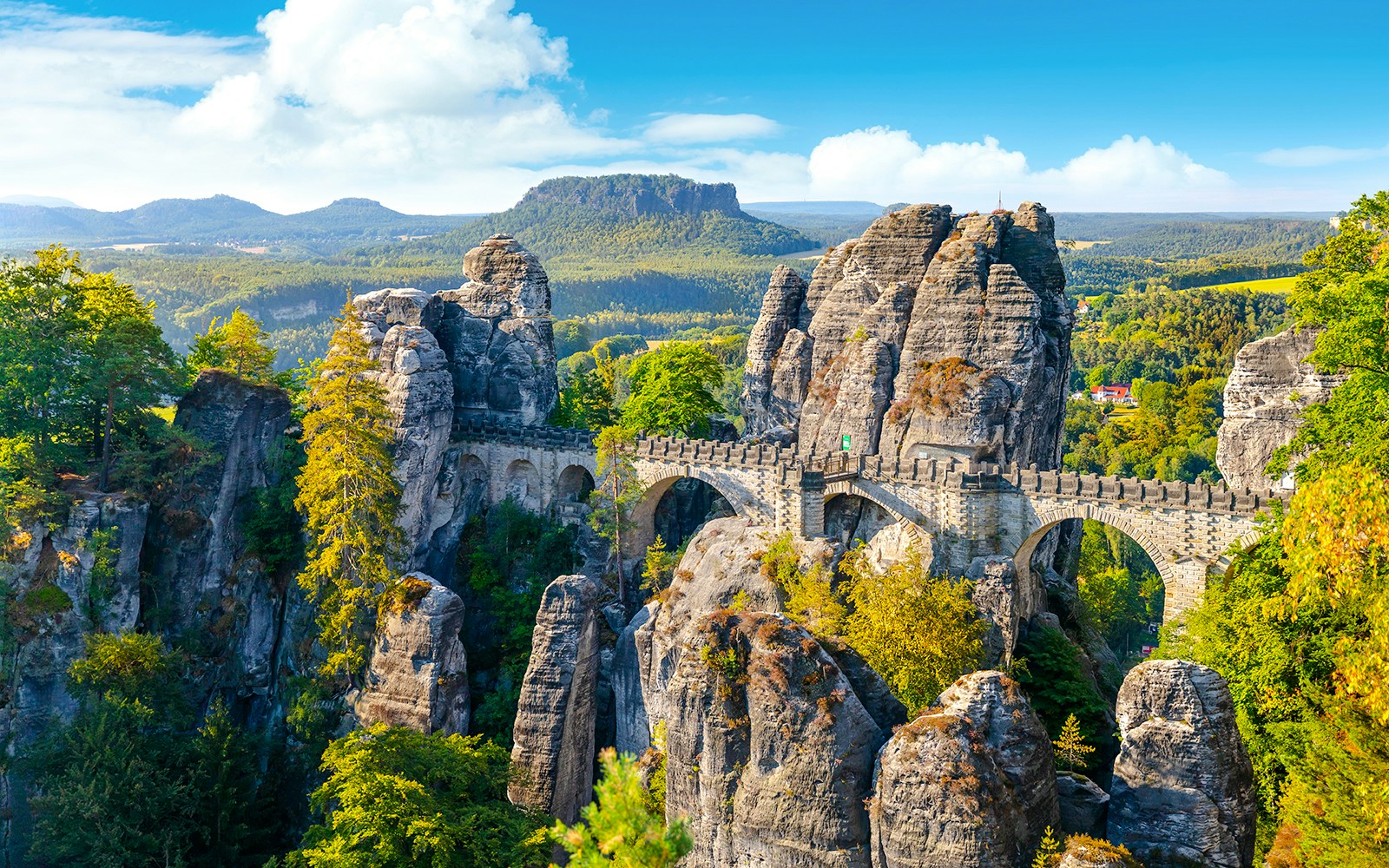
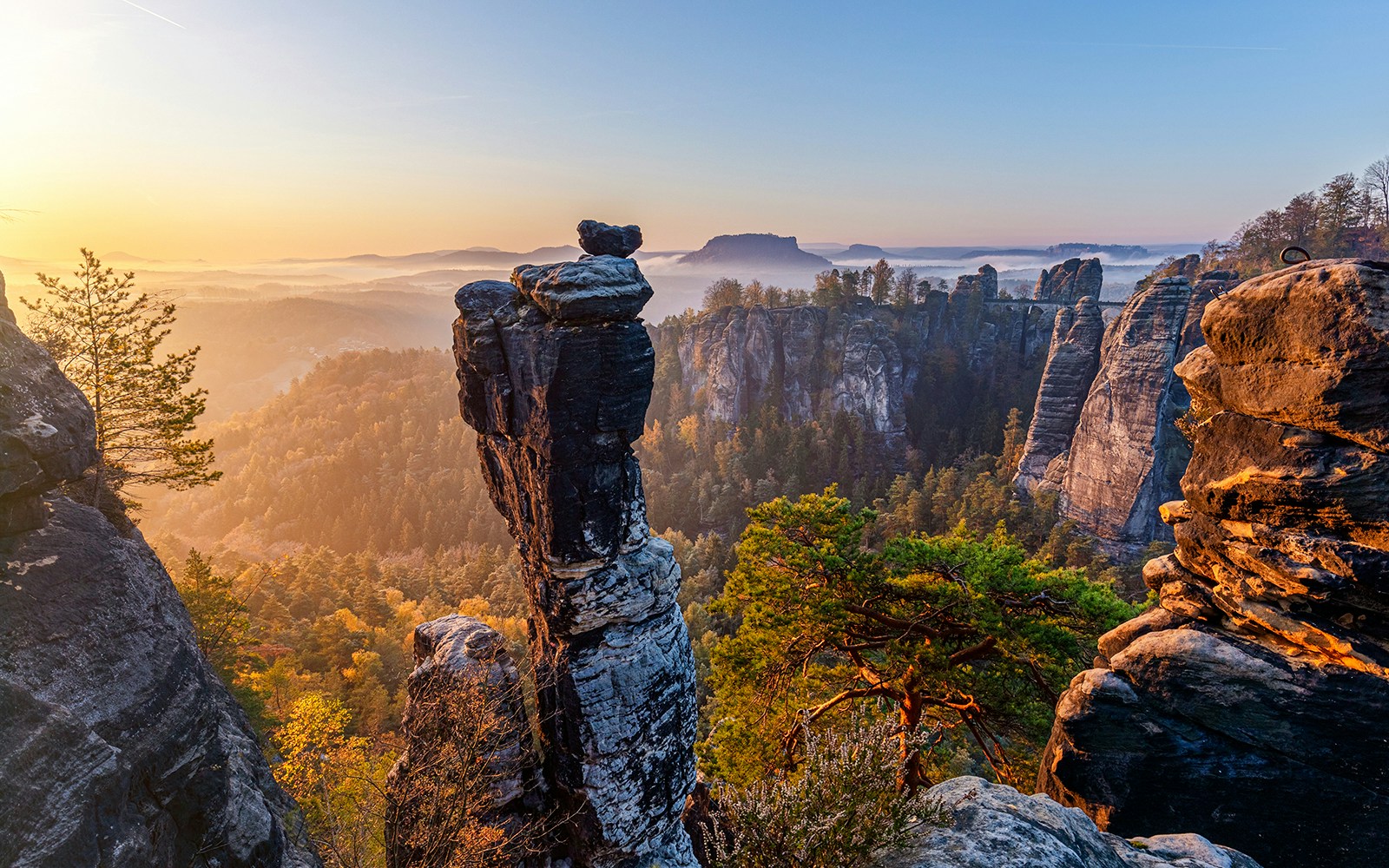
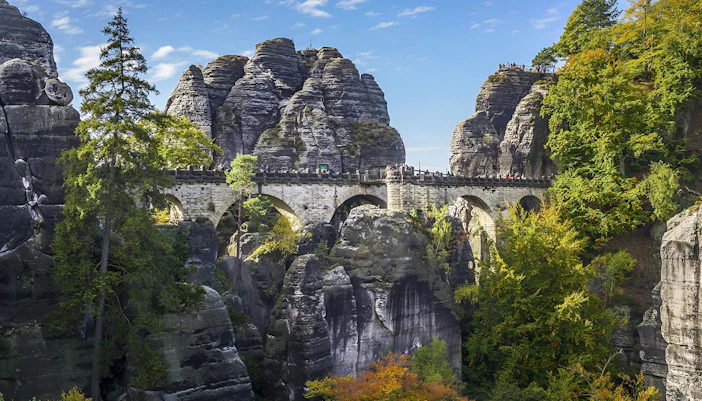
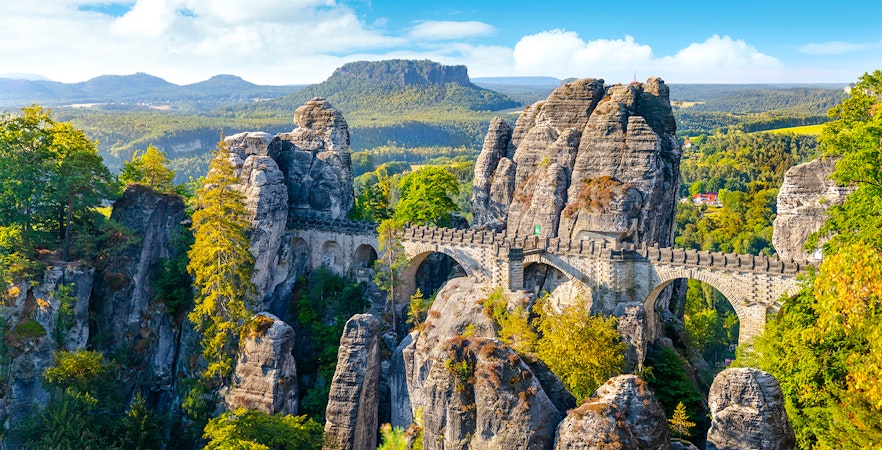
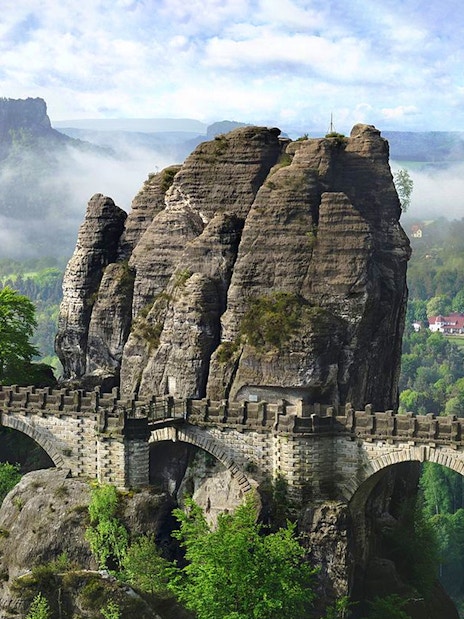
Bastei Bridge in Saxon Switzerland with rock formations and forest.
Placeholder Image Headout Blimp
1/6

A dramatic landscape unlike anything in Prague

Swap city spires for towering sandstone cliffs, deep gorges, and forested plateaus carved by the Elbe River — a complete contrast to Prague’s urban scenery.

Iconic viewpoints above the Elbe

Clifftop platforms reveal sweeping panoramas of the river valley and jagged rock formations, offering some of the most striking natural views in Central Europe.

An easy cross-border escape

Located just across the German border, Saxon Switzerland is comfortably reachable on guided day tours from Prague that manage transport and park access.

Designed for scenic walks, not extreme hikes

Most visits focus on well-marked trails and viewpoints, making the experience accessible even if you’re not an experienced hiker.

A photographer’s dream

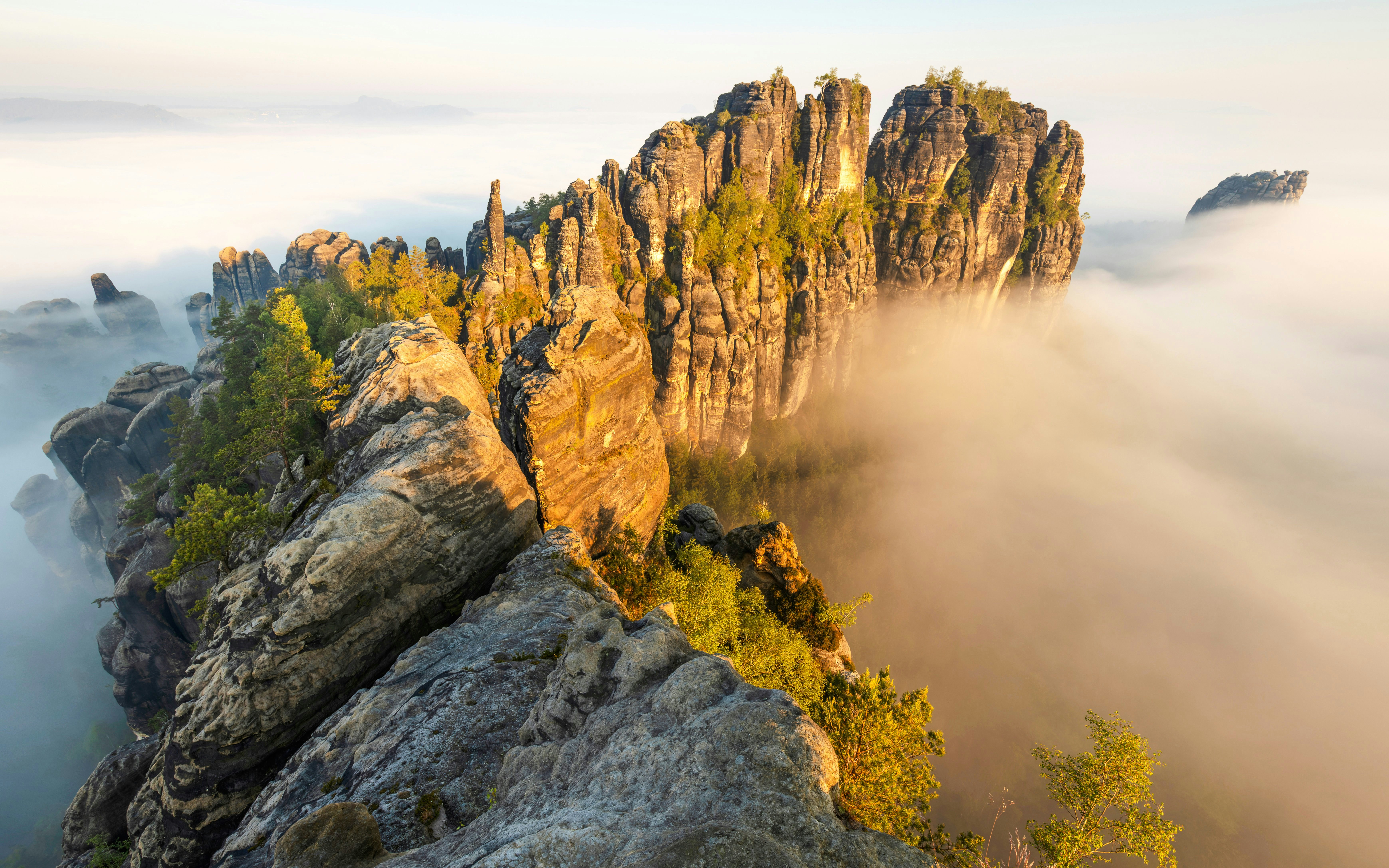
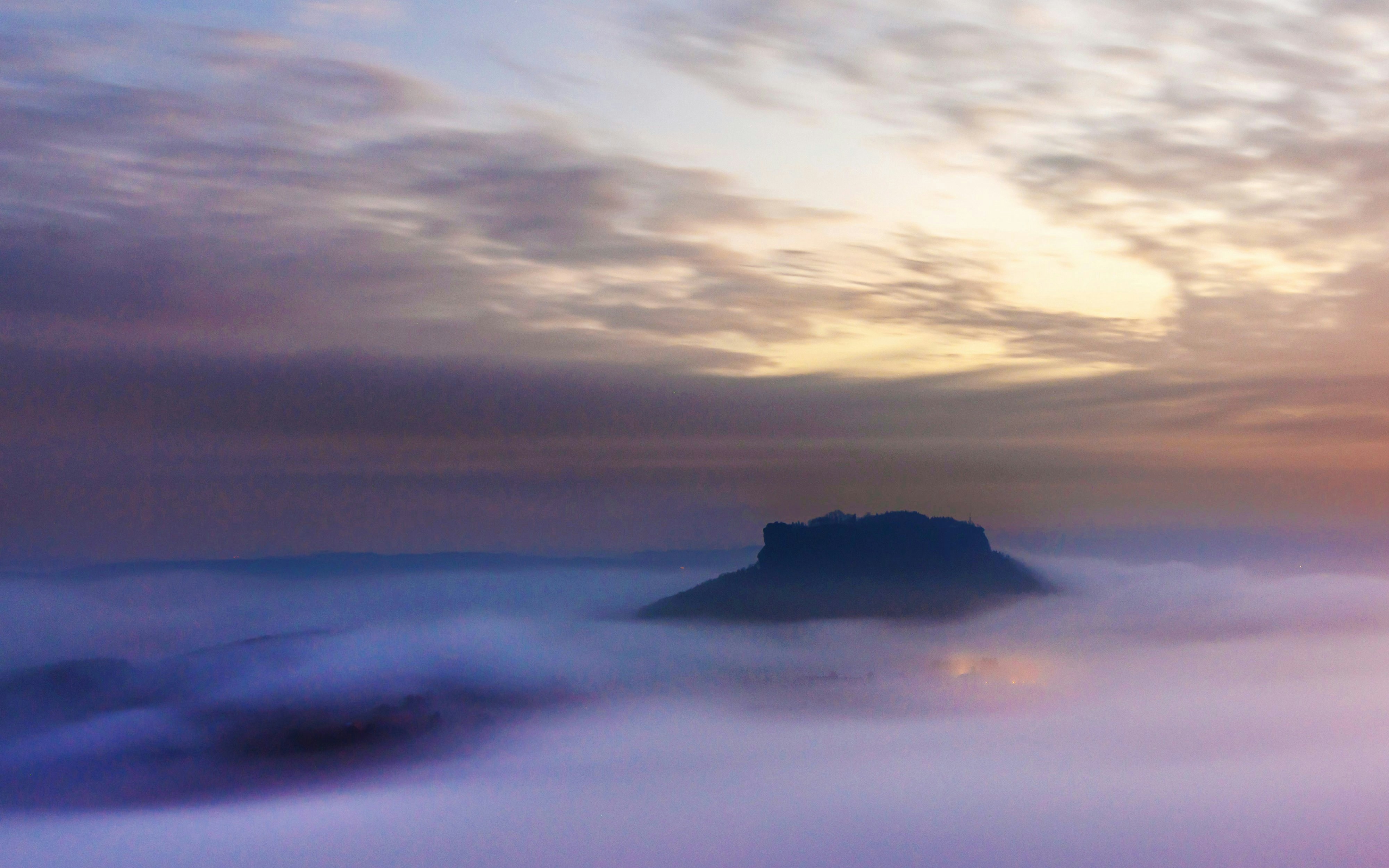
From mist rising over rock towers to golden light hitting sandstone cliffs, the park delivers dramatic compositions in every season.

A refreshing break from city sightseeing

After days of castles and cobblestones, the open air, forest paths, and panoramic cliffs offer a completely different pace and perspective.

Best hiking routes in the national park

Bastei to Rathen trail

This popular route begins at the Bastei viewpoint and descends through forested paths and stone steps toward the Elbe River, ending in the village of Rathen, with continuous cliffside views along the way.

Schrammsteine ridge trail

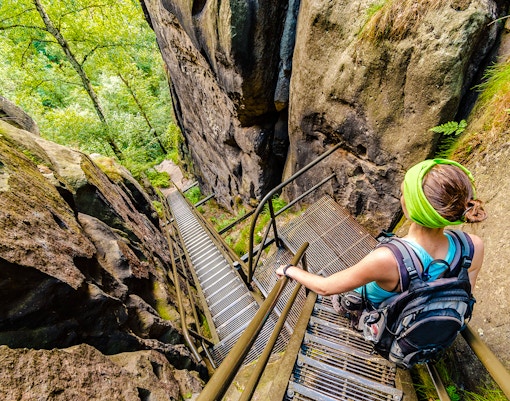
Starting near Bad Schandau, this more demanding route climbs steep ladders and rock steps to reach exposed sandstone ridges, rewarding hikers with dramatic panoramas over the Elbe Valley.

Kuhstall arch trail

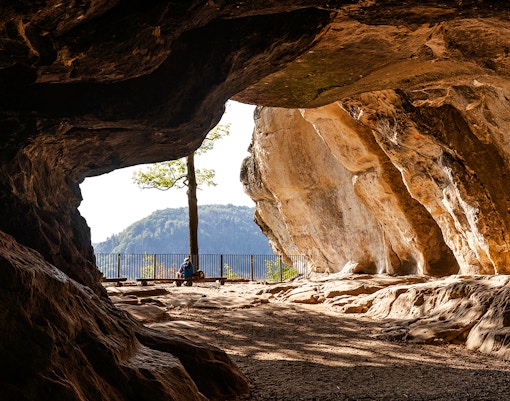
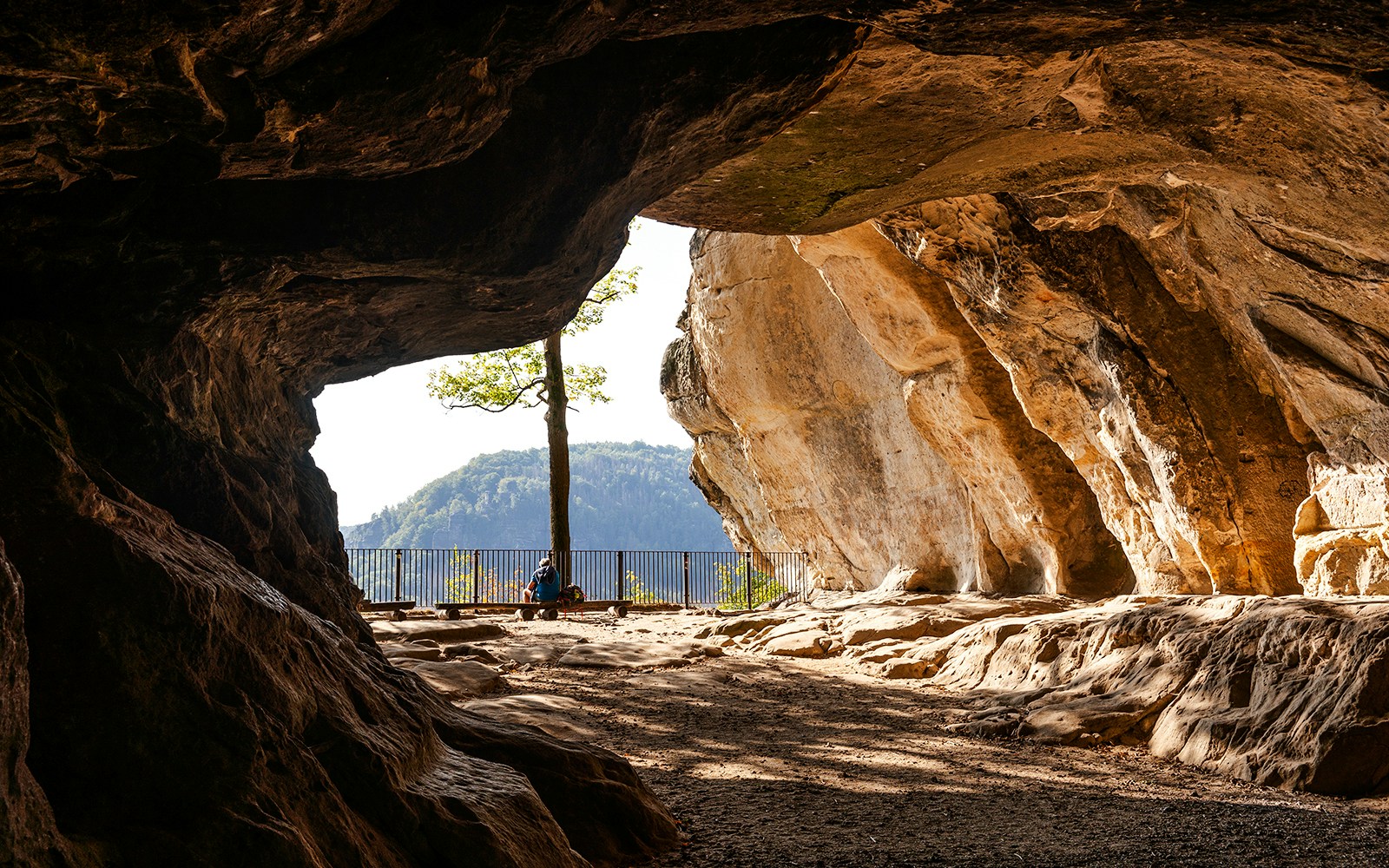
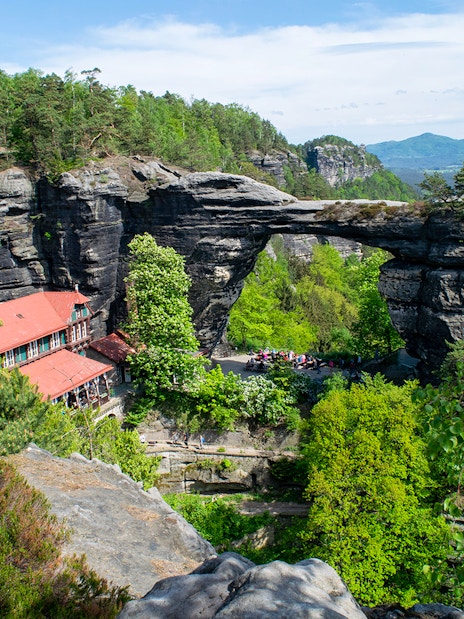
Beginning near Lichtenhain, this moderate hike leads to the Kuhstall, a natural sandstone arch and former medieval shelter, before continuing to scenic lookout points along the plateau.

Malervweg (Painters’ Way) section hikes

Portions of this long-distance trail can be explored in shorter segments, guiding walkers through the park’s most photogenic landscapes once favored by Romantic artists.

Must-see viewpoints & landmarks in Saxon Switzerland

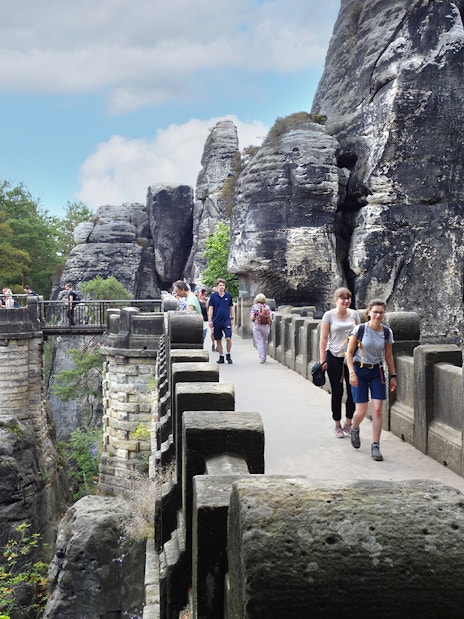
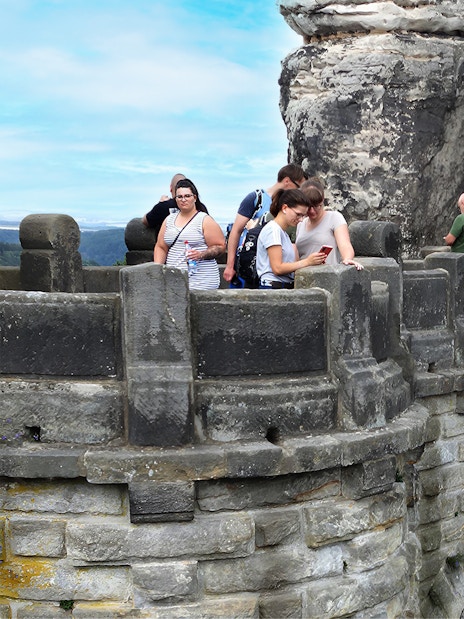
Visitors walking on Bastei Bridge in Saxon Switzerland, surrounded by rock formations.

Bastei Bridge

Perched high above the Elbe River, this 19th-century stone bridge connects dramatic sandstone pinnacles and delivers the park’s most iconic panoramic views.

Placeholder Image Headout Blimp

A glimpse into its roots

Saxon Switzerland’s sandstone landscape was shaped over millions of years, but its cultural story took off in the 18th and 19th centuries when Romantic-era artists and writers began treating the Elbe Sandstone Mountains as a symbol of wild, sublime nature. Painters such as Caspar David Friedrich helped turn the region into a visual icon of German Romanticism, and trails that now feel “classic” often follow routes first popularized by these early travelers and landscape enthusiasts.

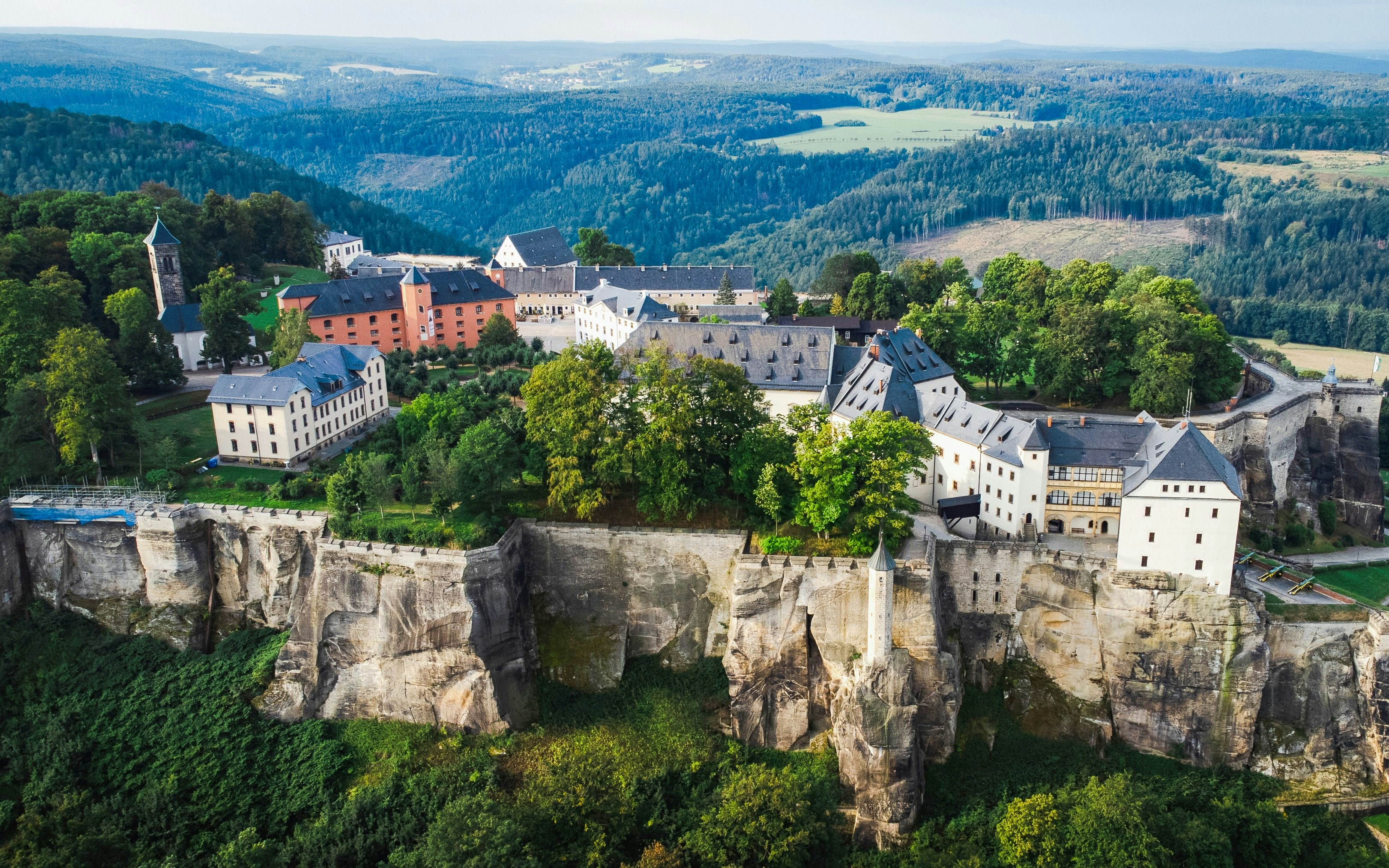
Long before it became protected as a national park, the area was also a frontier zone, with hilltop fortifications and defensive sites reflecting centuries of strategic importance along the Elbe corridor. Today, Saxon Switzerland sits alongside Bohemian Switzerland across the Czech border**, forming one continuous sandstone region with shared geology but distinct histories. Its modern identity blends conservation with outdoor culture—marked trails, viewpoint networks, and climbing traditions—while carefully protecting fragile rock formations and forest habitats.

More reads

Bohemian Switzerland National Park day tours

Explore Bohemian Switzerland National Park

Plan your visit to Saxon Switzerland National Park