
Top things to do in Prague

Founded in the 13th century as a royal town, České Budějovice is best known as the birthplace of Budweiser beer and one of South Bohemia’s cultural anchors. Its orderly medieval layout, grand main square, and long brewing tradition reflect centuries of imperial ambition, trade, and craftsmanship shaped under Habsburg rule.

Where is it located

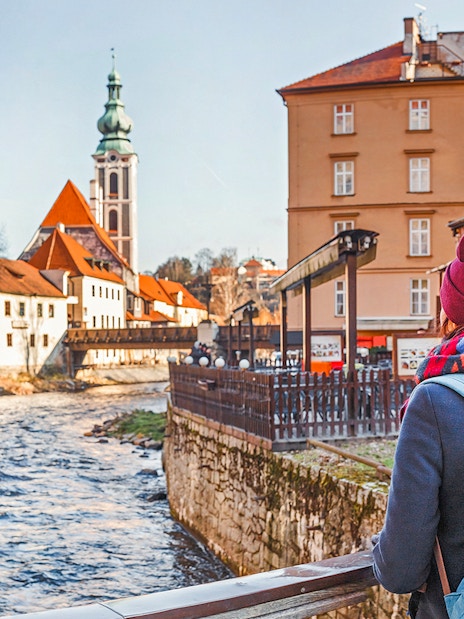
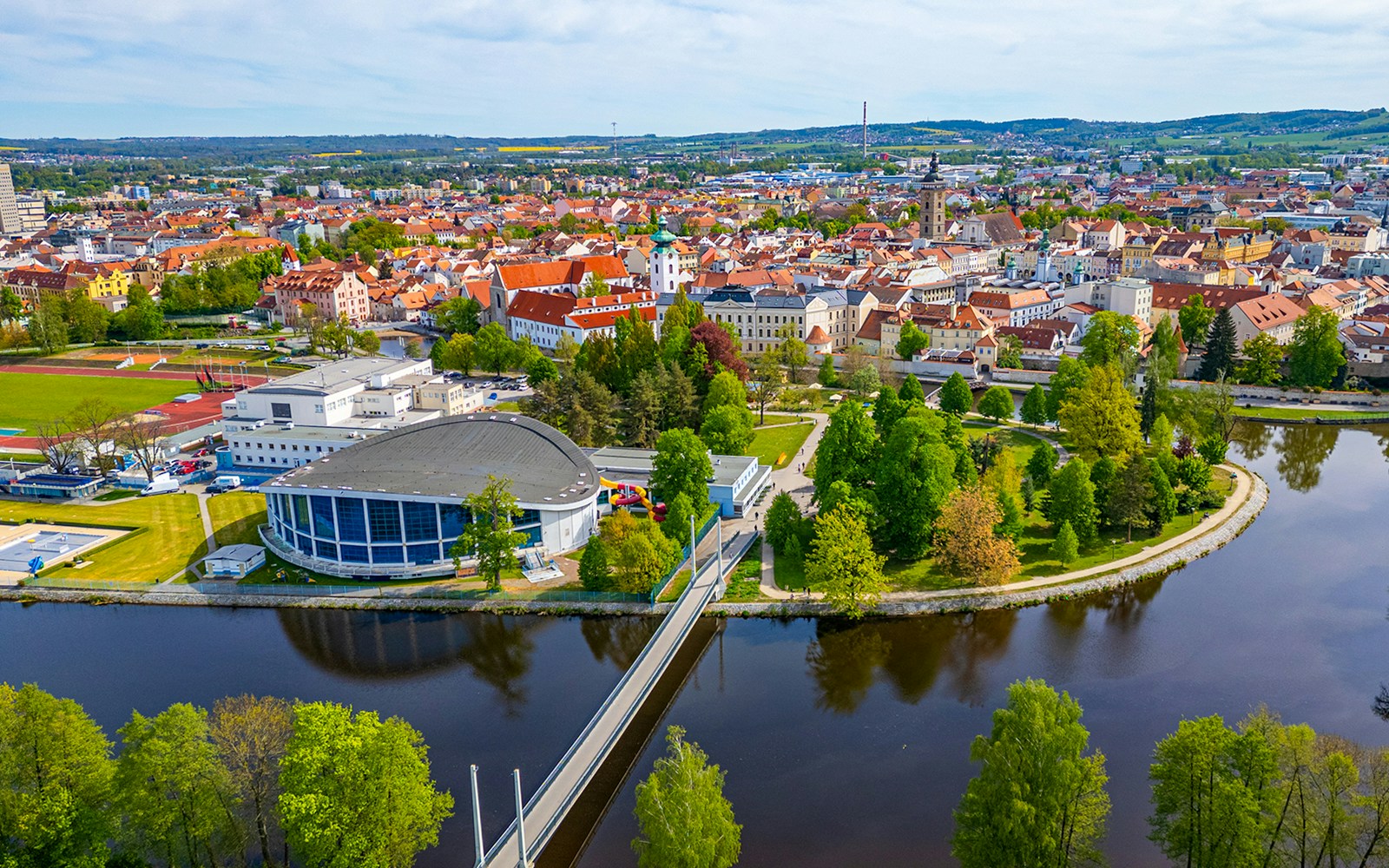
České Budějovice lies in South Bohemia, around 150 km south of Prague, at the confluence of the Vltava and Malše rivers. The city sits on a flat basin, surrounded by gentle countryside, and serves as a key gateway between Prague, Český Krumlov, and the Šumava region.

How to access

You typically visit České Budějovice as part of guided day tours from Prague, often paired with Český Krumlov. These tours handle transportation and sightseeing logistics, making it an easy addition to a South Bohemian itinerary without navigating regional travel on your own.

Things to know before booking České Budějovice day tours

  • České Budějovice is most commonly visited on guided day tours from Prague, often combined with Český Krumlov. These tours simplify logistics by covering long-distance transport and structuring the visit around the city’s main sights.
  • The journey from Prague takes around 2.5 hours each way, making guided tours a practical alternative to managing multiple train or bus connections independently, especially if you’re short on time.
  • Tours usually focus on the historic center, including Přemysl Otakar II Square, the Black Tower exterior, and key architectural landmarks. Most visits are walking-based and designed to give a clear overview rather than an in-depth exploration.
  • While the town itself is relatively flat, accessibility is limited. Cobblestone streets dominate the historic center, and most walking routes are not wheelchair accessible.
  • Entry to interiors is often optional or not included unless specifically stated. Many tours prioritize orientation and history over museum access, so confirm inclusions if interior visits matter to you.
  • Crowds are generally lighter than in Český Krumlov, but most summer tour groups arrive from late morning onward. Arrive earlier in the day for clearer views of the main square, easier movement through the historic center, and a more relaxed walking tour experience.

Why České Budějovice deserves a spot on your Prague itinerary

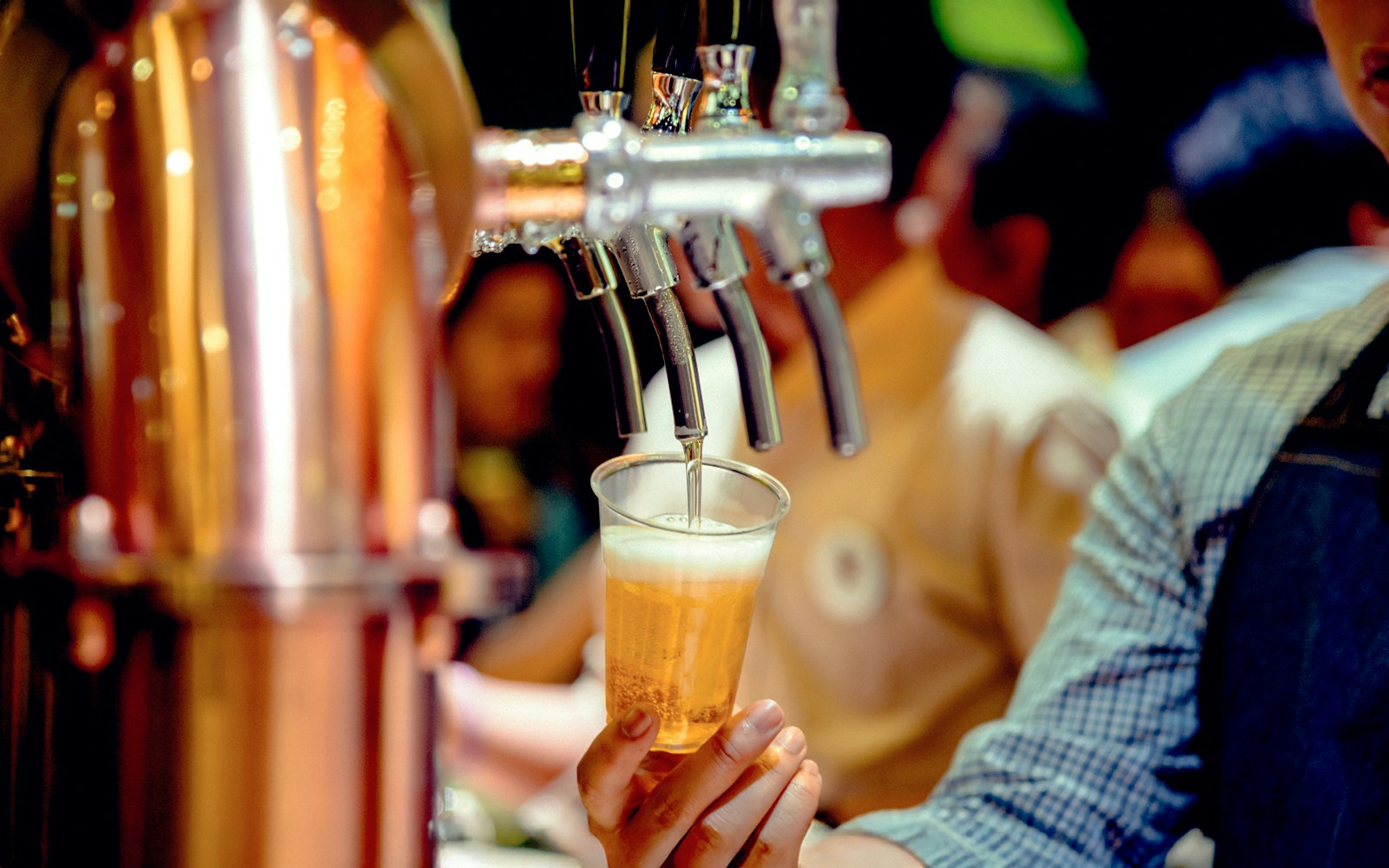
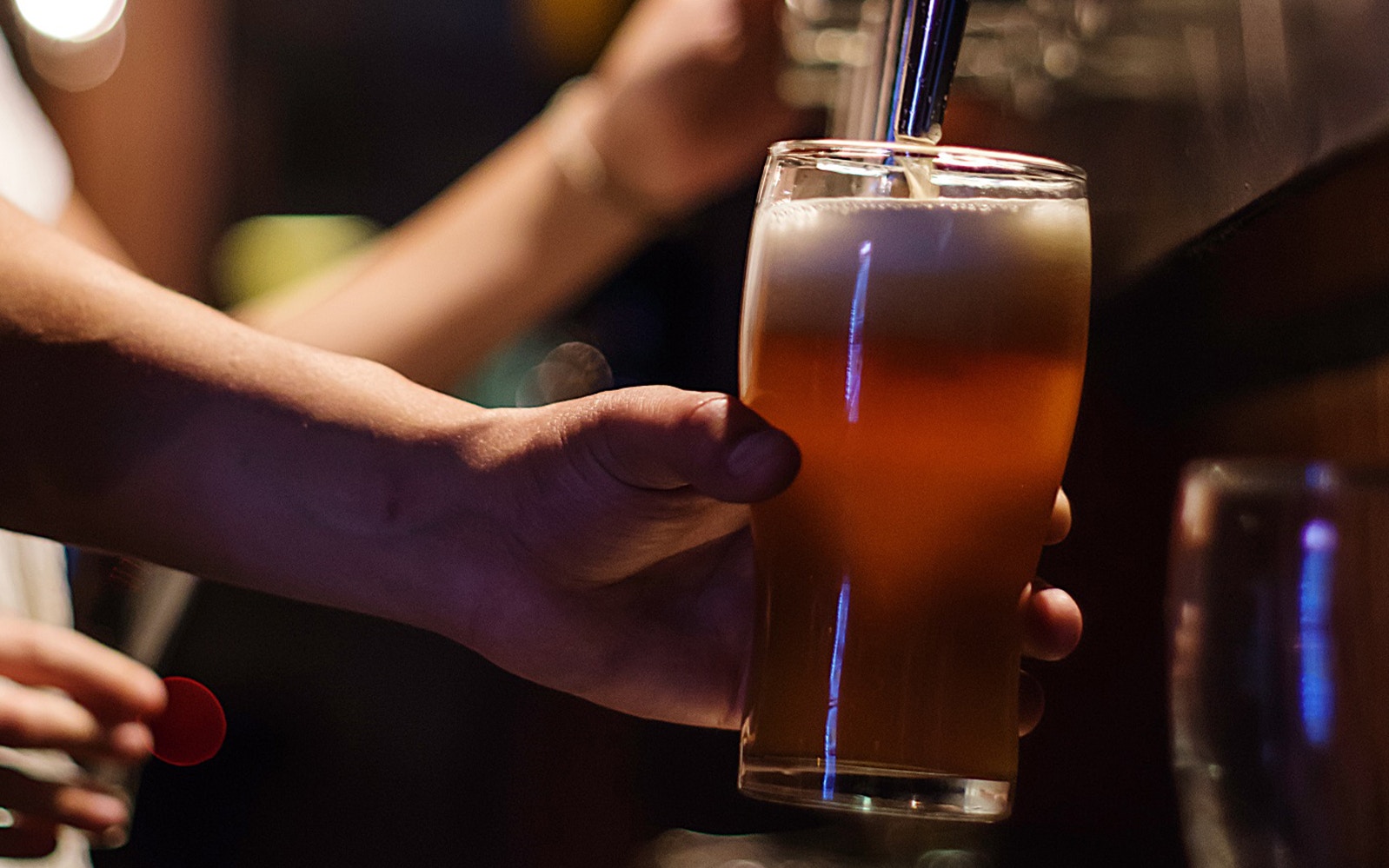
Bartender pouring beer from tap into a plastic cup.
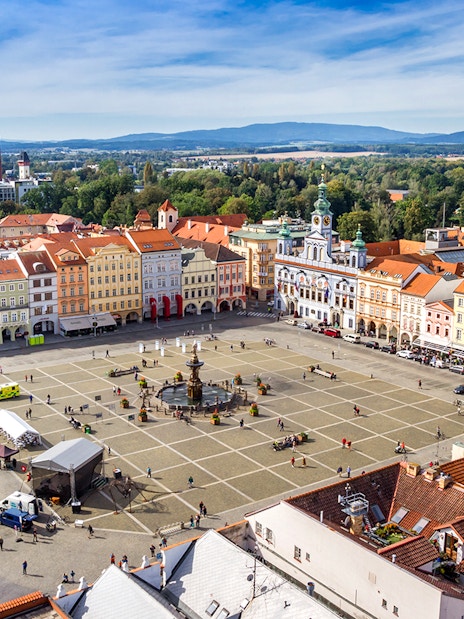
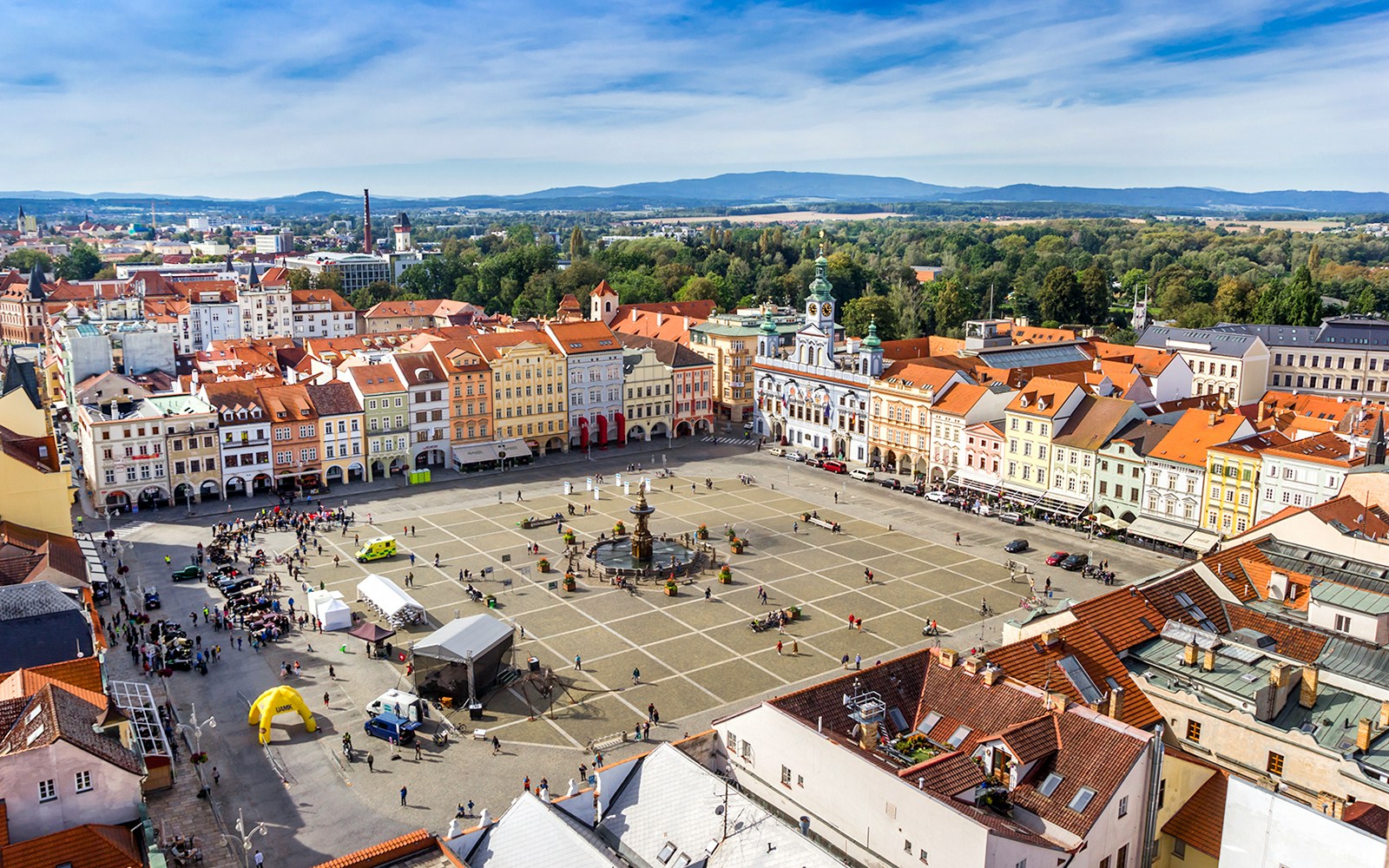
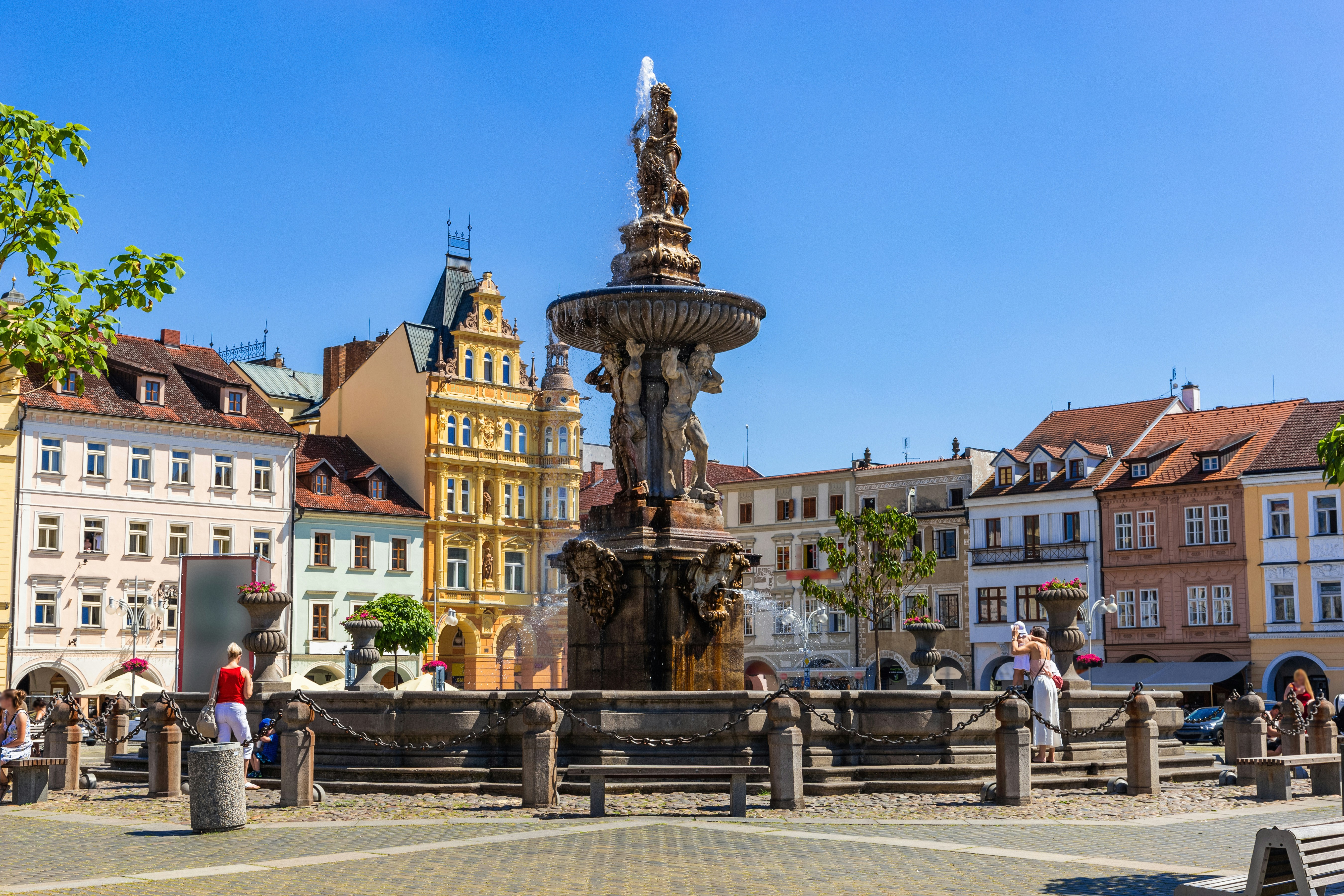
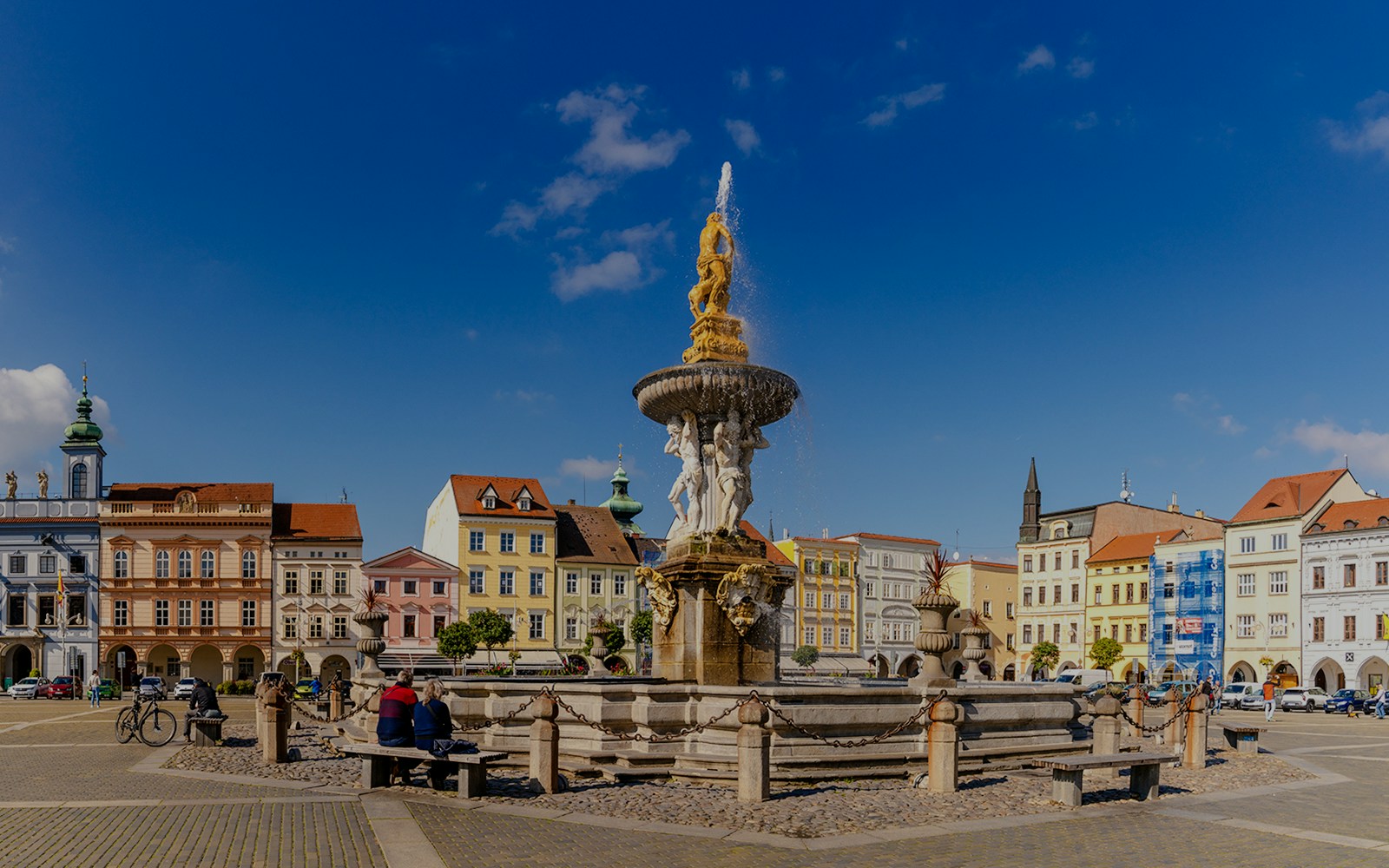
Aerial view of Ceske Budejovice market square with Samson Fountain and historic buildings.
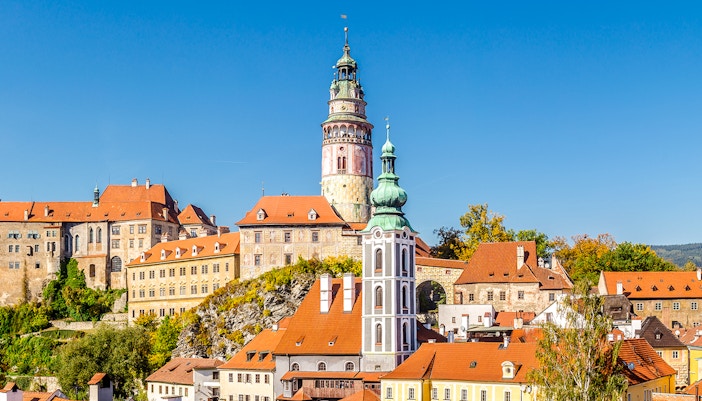
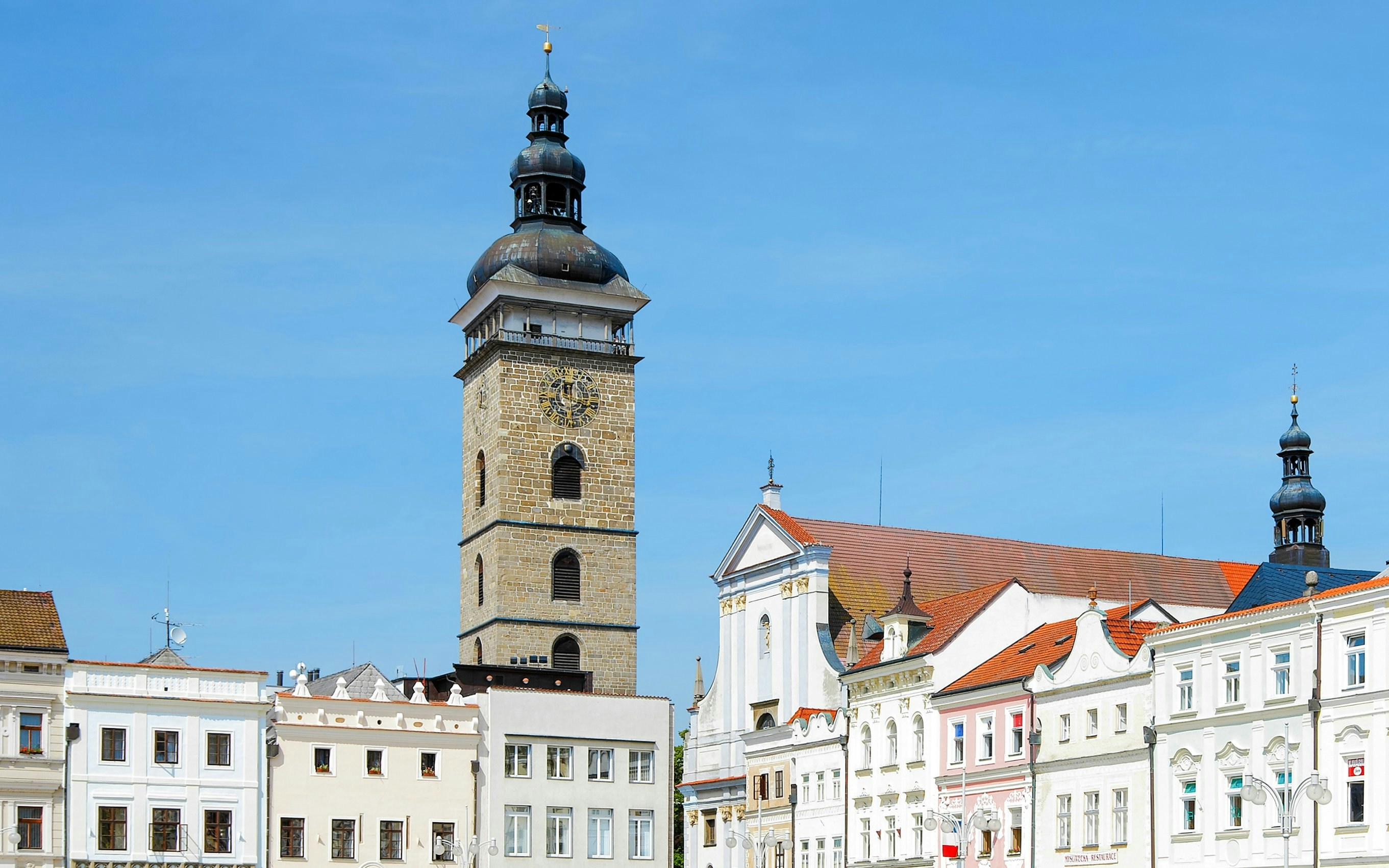
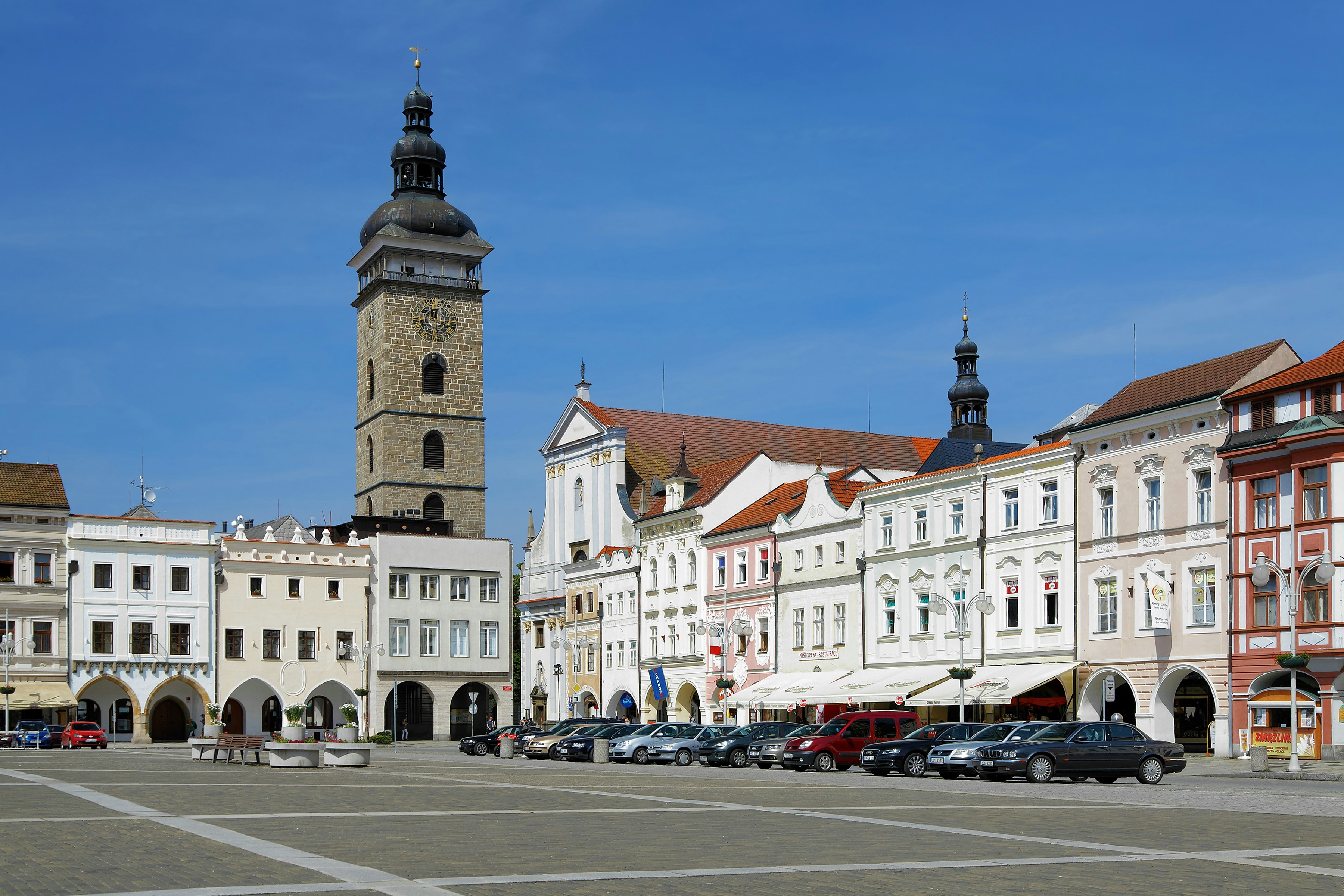
Black Tower in Cesky Krumlov with surrounding historic buildings.
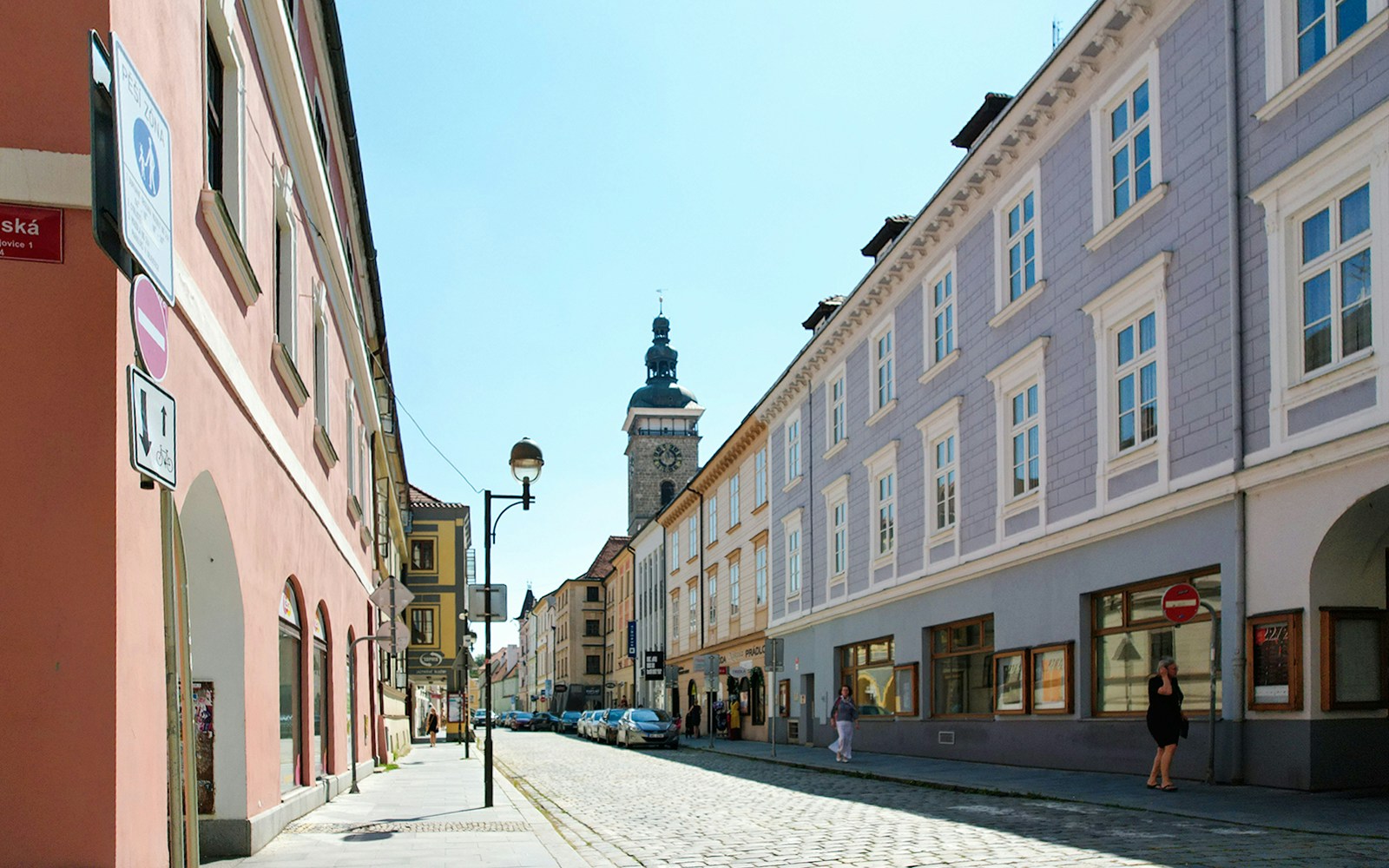
Street view in Ceske Budejovice with historic buildings and a clock tower.
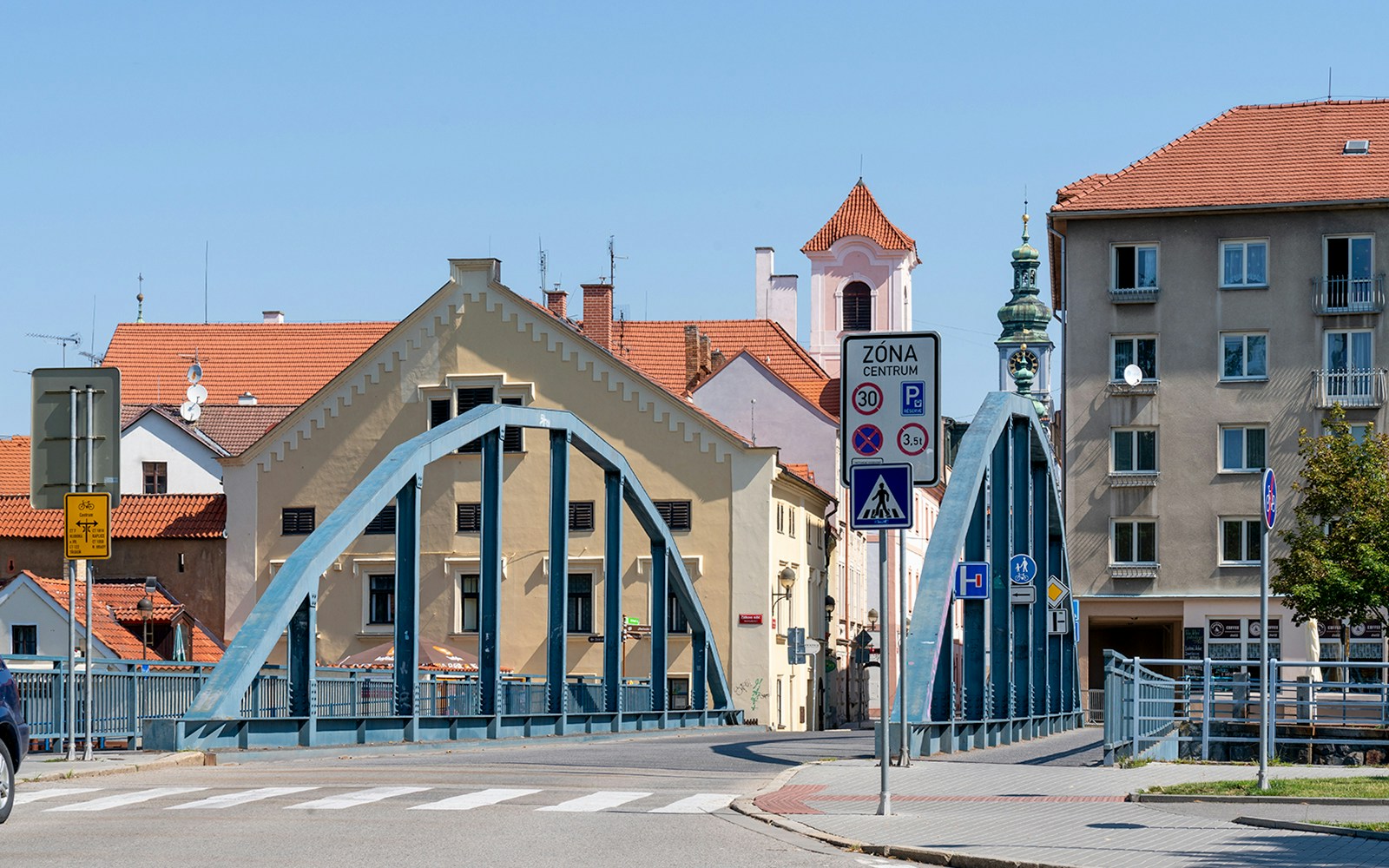
Street view with bridge and historic buildings in Ceske Budejovice, Czech Republic.
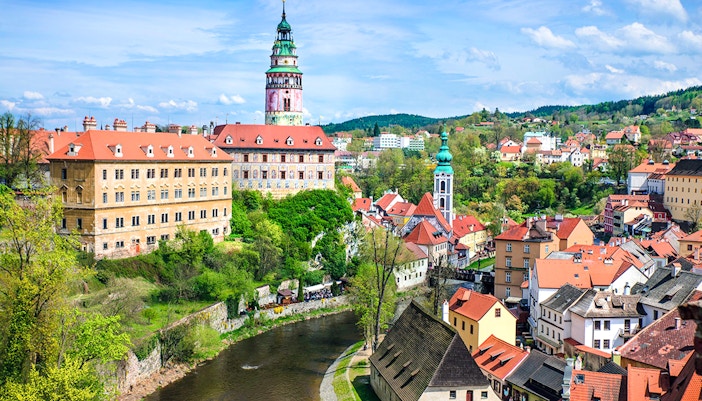
Panorama of Ceske Budejovice, Czech Republic, featuring a river, bridge, and historic buildings.
1/6

The birthplace of Budweiser

České Budějovice is the original home of Budweiser beer, with a brewing tradition dating back to the 13th century, a living legacy that still shapes the city’s identity.

One of Europe’s largest town squares

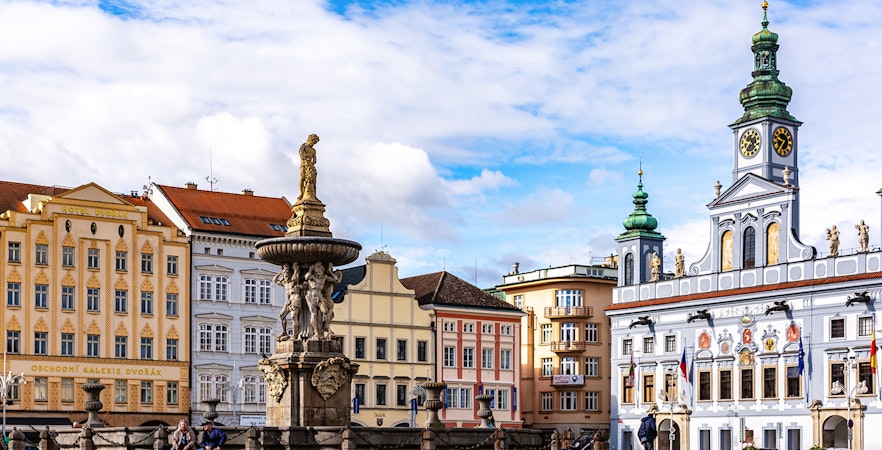
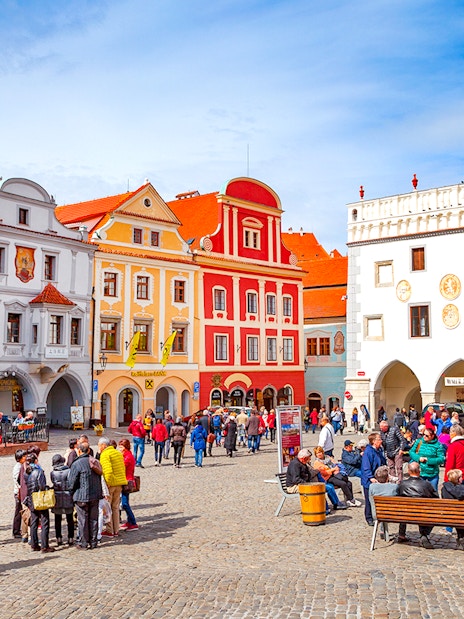
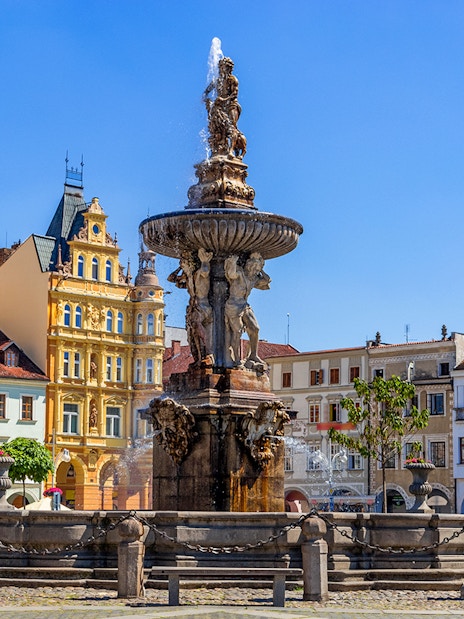
Přemysl Otakar II Square is among the largest historic squares in Central Europe, framed by arcaded houses and anchored by the ornate Samson Fountain at its center.

Gothic & Baroque architecture

From the Black Tower to the Cathedral of St. Nicholas, the city blends Gothic foundations with Baroque elegance, offering architectural depth without overwhelming crowds.

A royal Bohemian foundation

Established as a royal town in 1265, České Budějovice played a strategic role in medieval trade and power politics between Prague and Austria.

A gateway to South Bohemia

Its central location makes it a natural stop en route to Český Krumlov or the Šumava region, fitting seamlessly into a full-day South Bohemian itinerary from Prague.

A balanced day trip

With grand squares, historic towers, and authentic local culture, České Budějovice offers depth and character in just a few hours, making it an easy yet meaningful addition to your Prague plans.

Must-see sights in České Budějovice

Samson fighting lion fountain and bell tower in main square, Ceske Budejovice.

Přemysl Otakar II Square

One of the largest historic squares in Central Europe, this vast 13th-century plaza is framed by arcaded houses and anchored by the ornate Samson Fountain at its center.

Black Tower in Cesky Krumlov with surrounding historic buildings.
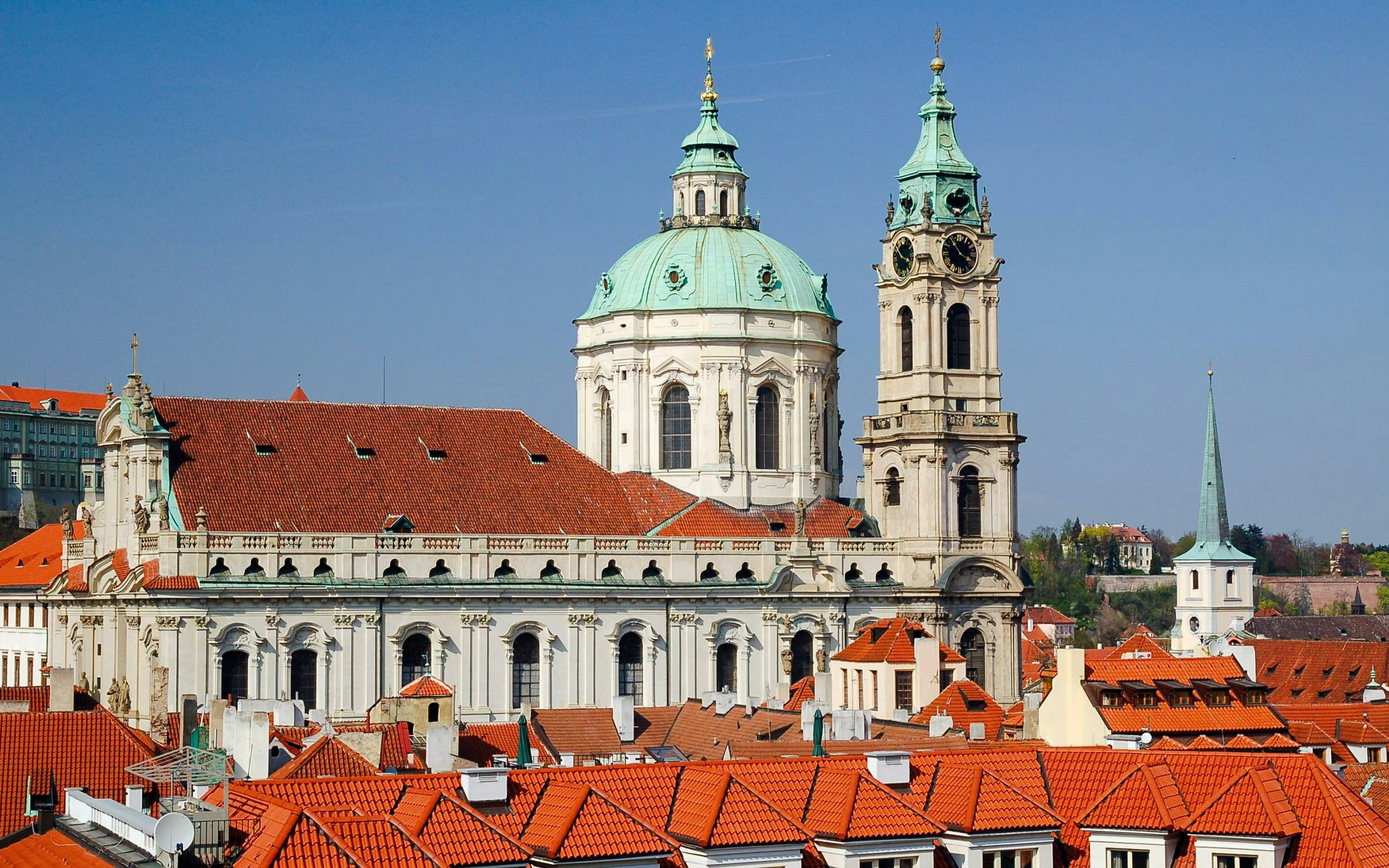
St. Nicholas Bell Tower and church with red rooftops in Prague.
Hand pouring beer into a glass during a brewery tour with lunch and tasting.
Samson Fountain in Ceske Budejovice town square with colorful historic buildings.

A cultural & historical overview

Founded in 1265 by King Přemysl Otakar II, České Budějovice was established as a royal town to secure trade routes and strengthen Bohemian influence near the Austrian border. Its strategic location helped it grow into a prosperous medieval center, with a carefully planned square layout that still defines the city today. Over the centuries, Gothic foundations gave way to Renaissance and Baroque additions, reflecting shifting political control and economic growth under Habsburg rule.

The city’s identity is closely tied to brewing, with beer production documented here since the 13th century and later formalized through the Budweiser Budvar brewery. Beyond beer, České Budějovice developed as a regional administrative and cultural hub, balancing commerce, religion, and craftsmanship. Today, its preserved historic core, architectural layers, and enduring traditions make it one of South Bohemia’s most historically grounded urban centers.

Know before you go

Passengers seated inside an AC coach bus for Nara and Kyoto One-Day Tour.
  • By train: Regular direct trains operate between Praha and České Budějovice, departing from Praha hlavní nádraží (Prague Main Station) and arriving at České Budějovice Railway Station. The journey takes approximately 1 hour 40 minutes to 1 hour 55 minutes, with multiple departures throughout the day. Tickets typically start from around 130 CZK.
  • By bus: Frequent buses run from Praha Na Knížecí and Praha Florenc (ÚAN Florenc) to České Budějovice Bus Station. The journey usually takes about 2 hours to 2 hours 30 minutes, depending on the service and operator, such as FlixBus or RegioJet. Ticket prices generally start from approximately 100 to 200 CZK.

Once you arrive in the city, an extensive network of buses and trolleybuses connects the city centre with surrounding neighbourhoods. Key lines including 1, 3, 5, 6, 11, 16, 19, 21, 22 and 23 provide convenient access to major areas across České Budějovice.
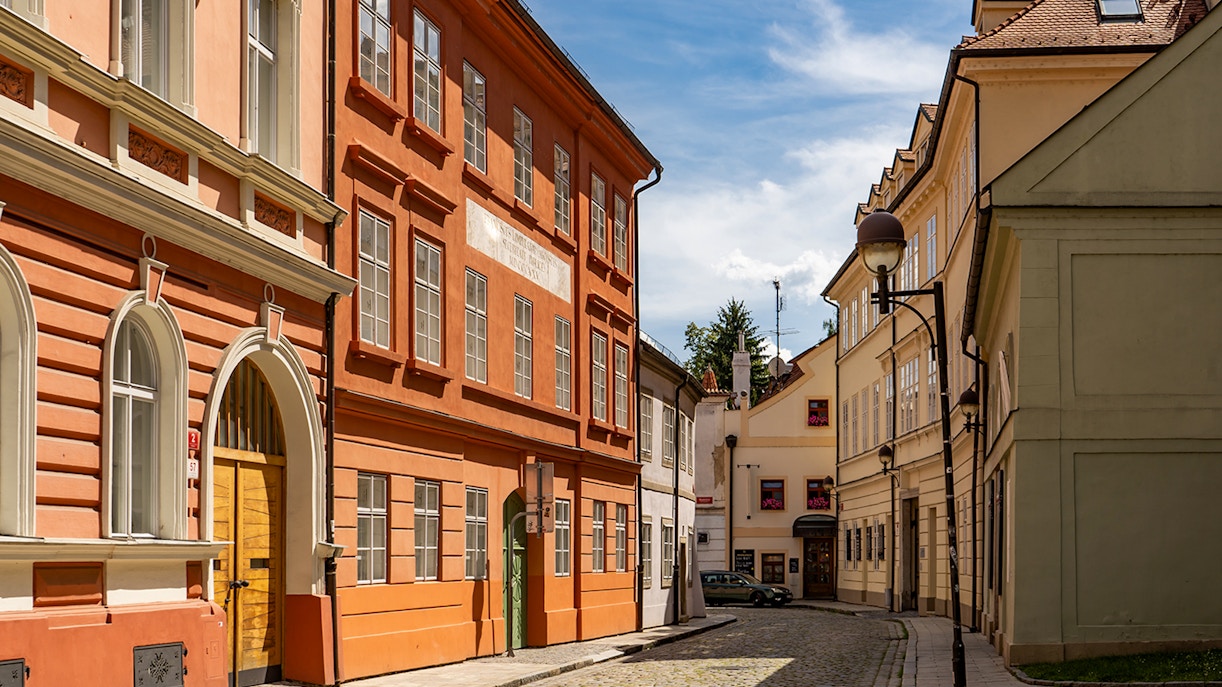

Cobblestone street with colorful historic buildings in Ceske Budejovice, Czech Republic.
  • Currency: Czech Koruna (CZK); Euro not officially accepted (some tourist places may accept it at poor exchange rates)
  • Language: Czech; English widely spoken in hotels, restaurants, and tourist areas
  • Time zone: Central European Time (CET); Central European Summer Time (CEST) during daylight saving (late March to late October)
  • Electricity: 230 V supply; plug types C and E (two round pins)
  • Connectivity: Free Wi-Fi available in most hotels, cafés, and restaurants; EU mobile users benefit from free roaming
  • Drinking water: Tap water safe to drink
  • Emergency numbers:
    • General emergency: 112
    • Police: 158
    • Ambulance: 155
    • Fire brigade: 150
Digital nomad working on a laptop in a cozy cafe.
  • Many smaller cafés and traditional pubs close relatively early outside the summer season (typically May to September), often between 8pm and 10pm.
  • The main square, Přemysl Otakar II Square, can be surprisingly windy in cooler months due to its open layout, so bring an extra layer even if the forecast looks mild.
  • Local restaurants often offer better-value lunch menus (denní menu) on weekdays, which typically include a soup and main course at a reduced price compared to dinner.
  • Public toilets in the city centre may require small coins for entry, so keeping some change in Czech Koruna is helpful.
  • Beer culture is strong here as the home of Budweiser Budvar, and ordering a “small” beer (malé) will get you a 0.3 l serving, while the standard size (velké) is 0.5 l.
  • If you are using local buses or trolleybuses, validate your ticket immediately after boarding to avoid fines, as ticket inspections are random but frequent.

Frequently asked questions about České Budějovice

Yes, the city is often overlooked in favour of Český Krumlov, but its grand main square, relaxed local atmosphere, and Budweiser Budvar heritage make it well worth at least a half-day to a full-day visit.

More reads