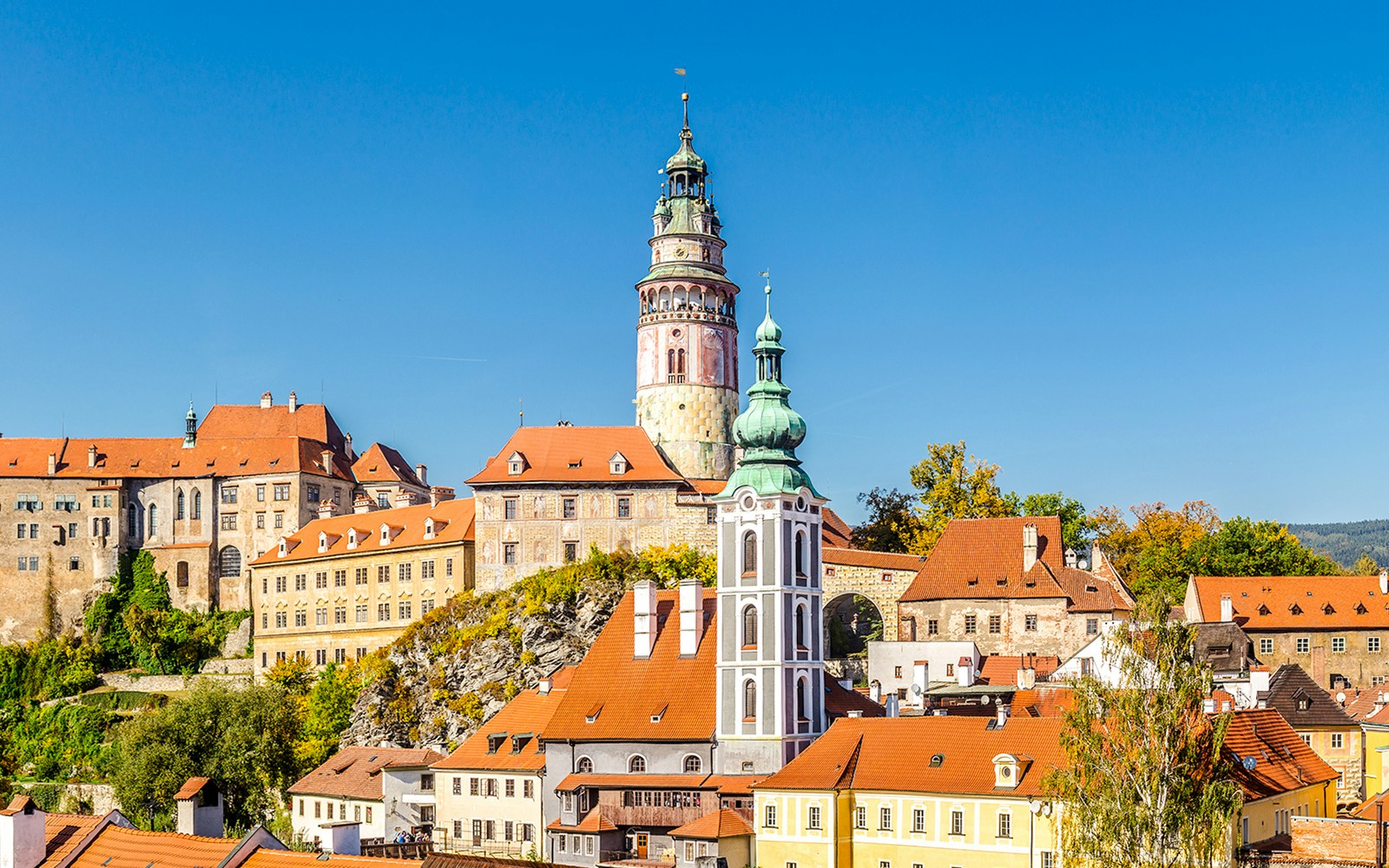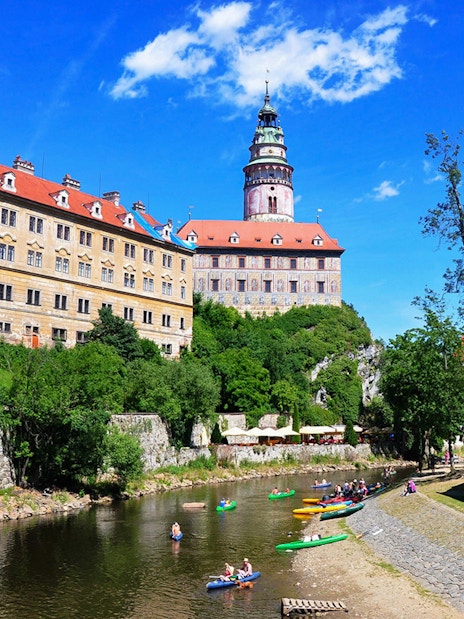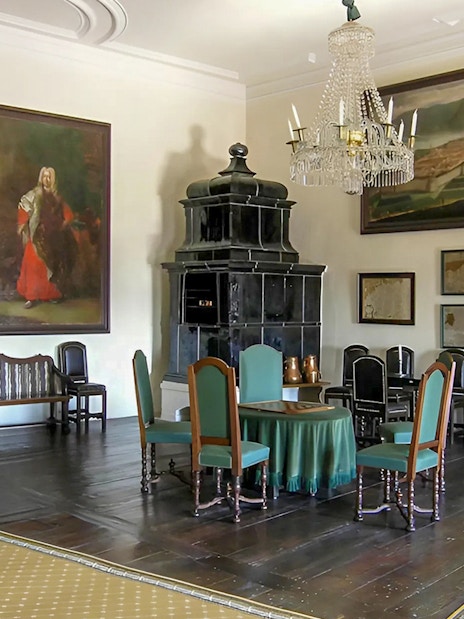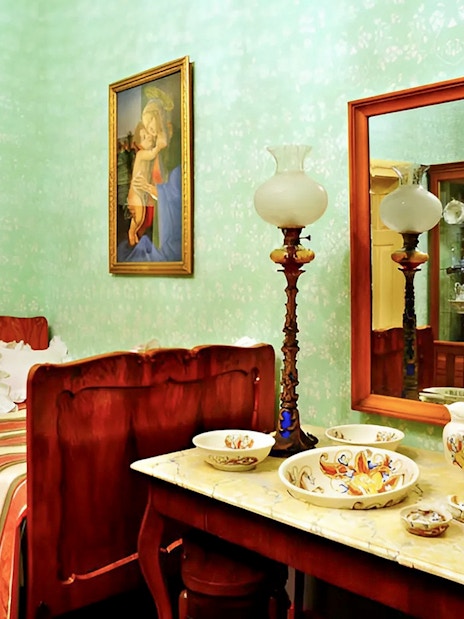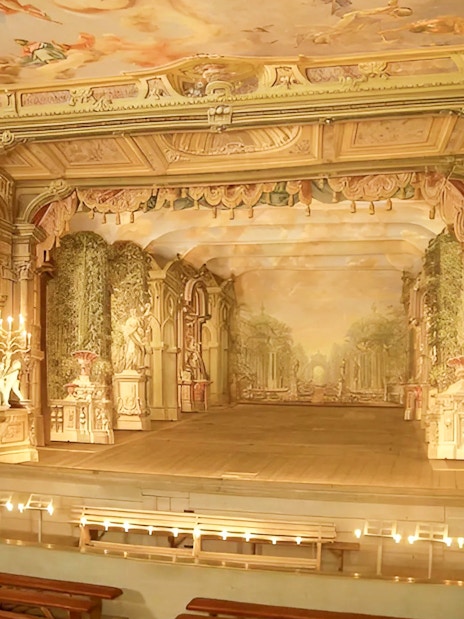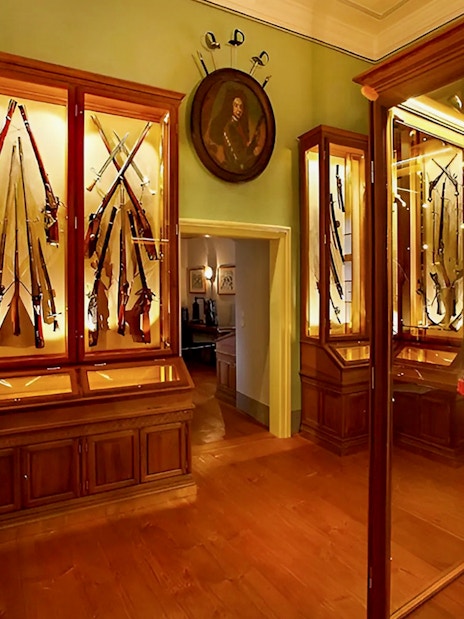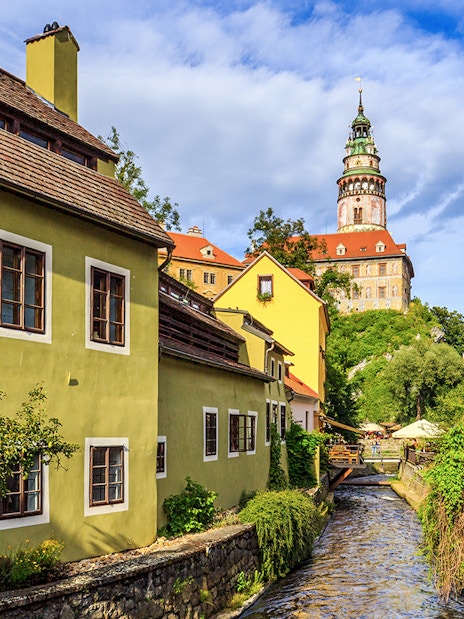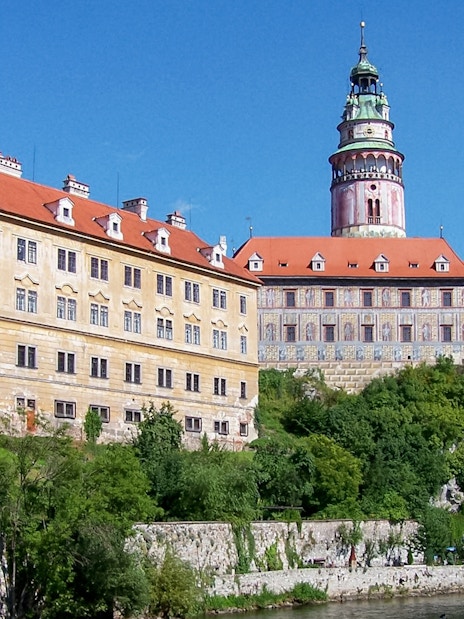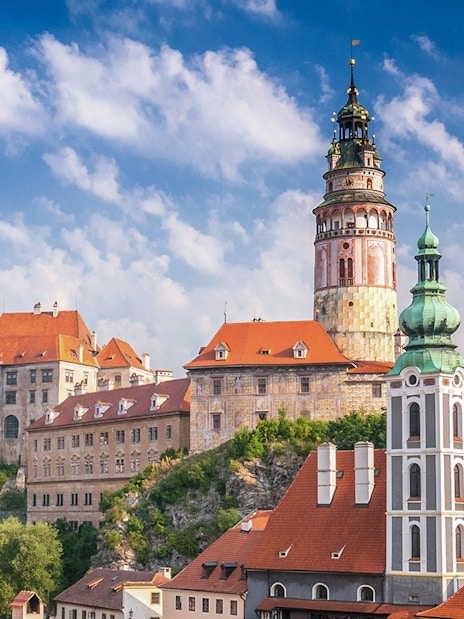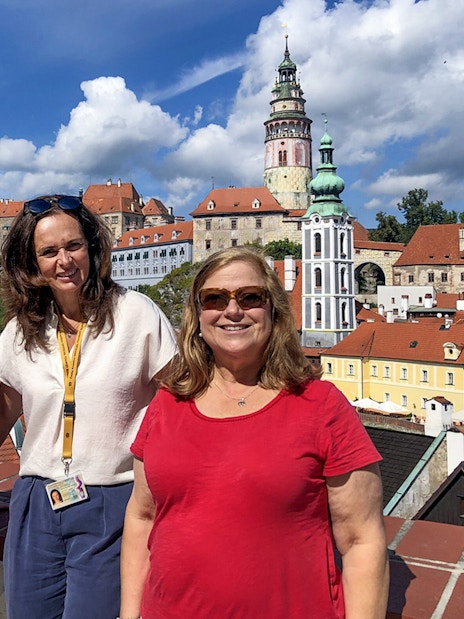
Český Krumlov Castle rises above the Vltava River like a storybook stronghold, shaped by centuries of Bohemian power, intrigue, and ambition. Founded in the 13th century, it became the seat of the Rosenberg family, who filled it with Renaissance splendor, a rare Baroque theater, and the famous Bear Moat—kept alive by an old noble legend.

Where is it located

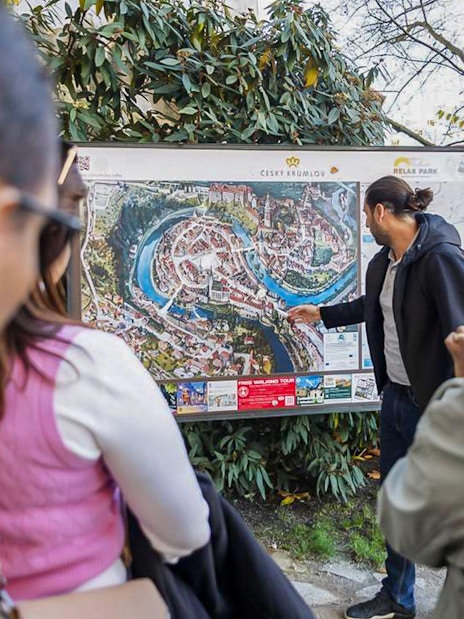
The castle stands in the town of Český Krumlov in South Bohemia, roughly 170 km south of Prague. Rising above the historic Old Town, it is encircled by a bend of the Vltava River and reached by a short uphill walk from the main square.

How to access

You can enter the castle grounds freely, but interiors require separate tickets or guided circuits. Many travelers choose day tours from Prague that include admission. Interior rooms are typically closed from November to March, so it’s best to plan your visit around the seasonal schedule.

Things to note before booking Český Krumlov Castle tickets

  • Guided day tours from Prague are one of the easiest ways to visit Český Krumlov Castle, removing the need to manage regional trains, buses, or parking outside the Old Town. These tours provide direct transport into the historic center and handle timing and entry logistics for you.
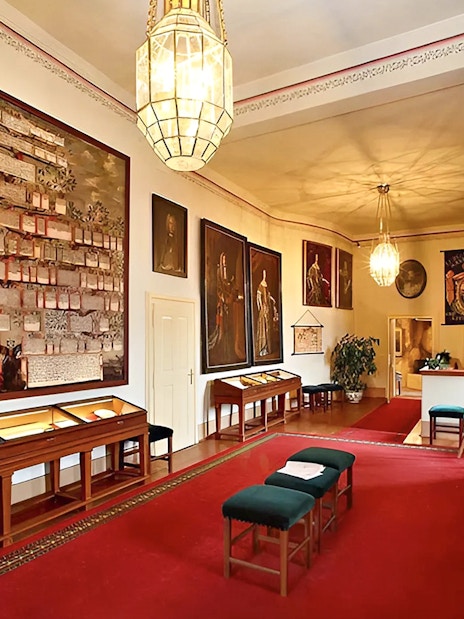
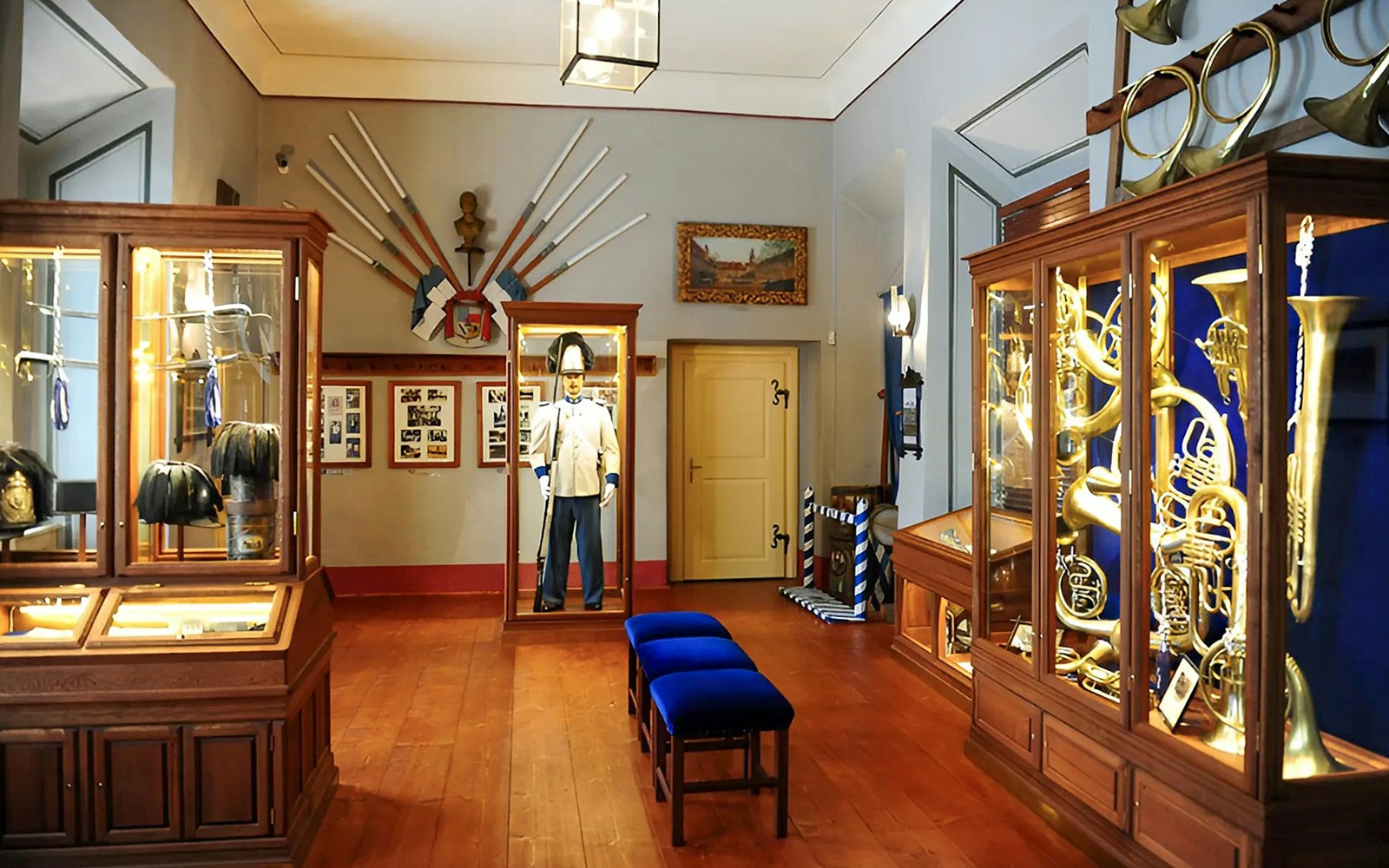
  • Castle interior access depends heavily on the season. From April to October, tours often include entry to the main castle interiors, allowing you to visit the historic rooms and ceremonial halls without waiting in ticket lines. From November to March, most interiors close for winter, and tours instead focus on the castle museum, courtyards, Cloak Bridge, and panoramic viewpoints overlooking the Old Town.
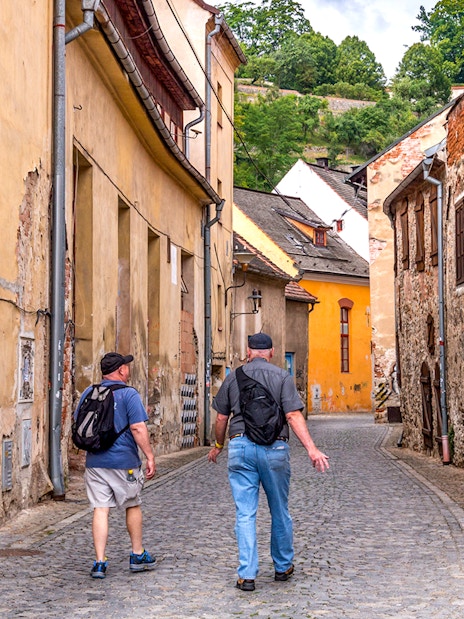
  • The castle complex involves significant walking and elevation changes. Expect cobblestone paths, staircases, and uneven surfaces throughout the courtyards and interior routes. Several sections are not wheelchair accessible, and visitors with limited mobility may find certain areas difficult to navigate.
  • Navigating the castle independently can be time-consuming, especially during peak season. Guided visits streamline your route through key areas, helping you avoid backtracking across the sprawling complex.
  • Crowds build quickly from late morning to mid-afternoon, particularly between May and September when tour groups arrive. Structured itineraries and early arrivals help avoid the busiest periods, while independent visitors may prefer late-afternoon exploration.

Your Český Krumlov Castle ticket types

ExperienceIs Český Krumlov Castle access included?Why go for it?Starts from
Český Krumlov day trip

Yes (optional interior entry available)

A balanced full-day experience with guided Old Town exploration and the option to enter the castle interiors, making it a convenient all-in-one visit

€76.50

Český Krumlov & Budějovice

Yes (Castle interiors April to October; Museum November to March)

Covers two South Bohemian highlights in one day, offering strong value if you want to maximize your time outside Prague

€75.65

Český Krumlov small-group tour

No (exterior courtyards only)

Limited to 15 guests with hotel pick-up, ideal for a more personal, relaxed experience without large tour groups

€76.50

A journey through its historic rooms

Key architectural highlights

The historical legacy of Český Krumlov Castle

Founded in the 13th century by the powerful Vítkovci family, Český Krumlov Castle rose to prominence under the Rosenbergs, one of Bohemia’s most influential noble dynasties. For over three centuries, the Rosenbergs transformed the fortress into a Renaissance residence that reflected their political ambition and cultural sophistication. When the family line ended in 1602, ownership passed to the Eggenbergs and later the Schwarzenbergs, each leaving architectural and artistic marks that shaped the castle’s Baroque grandeur.

Through wars, dynastic changes, and shifting empires, the castle remained a symbol of aristocratic authority in South Bohemia. Unlike many European residences that were heavily altered or damaged, Český Krumlov Castle preserved its layered Gothic, Renaissance, and Baroque character. Today, its intact theater, ceremonial halls, and preserved noble apartments offer an unusually complete picture of Central European courtly life across centuries.

More reads