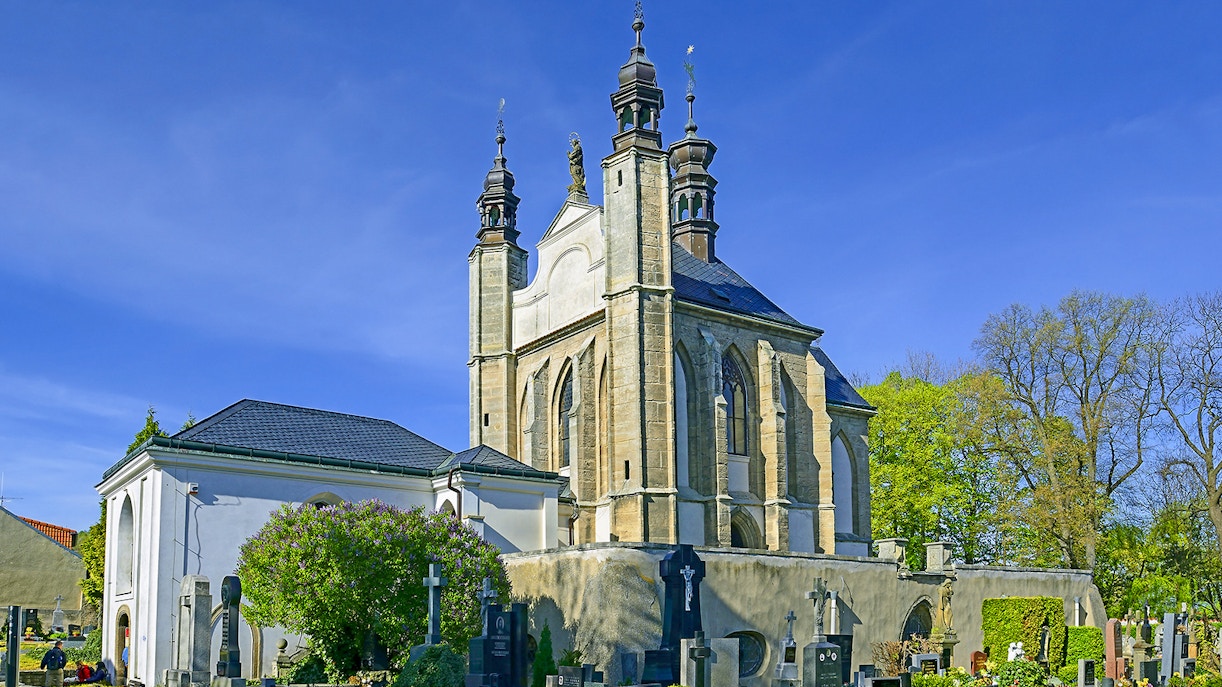
Sedlec Ossuary, often called the Bone Church or the Church of Bones, is a small Gothic chapel in the suburbs of Kutná Hora, famous for its haunting interior decorated with the bones of over 40,000 people.
How to enter Sedlec Ossuary?

Sedlec Ossuary is located in the Sedlec district of Kutná Hora, about 70 km east of Prague. Entry to the Sedlec Ossuary is included with select Kutná Hora day trips from Prague, which cover transportation, a live guide, and entry to the chapel.
Access to the Sedlec Ossuary requires a separate ticket; it is not automatically included as part of a Kutná Hora day tour from Prague.

Why visit Sedlec Ossuary?

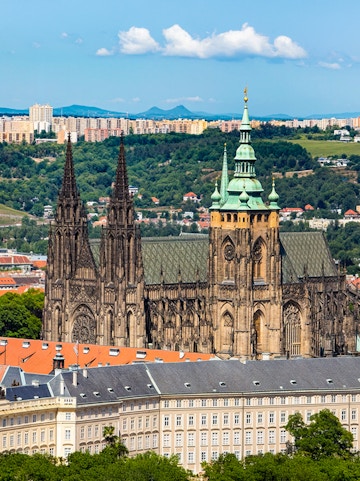
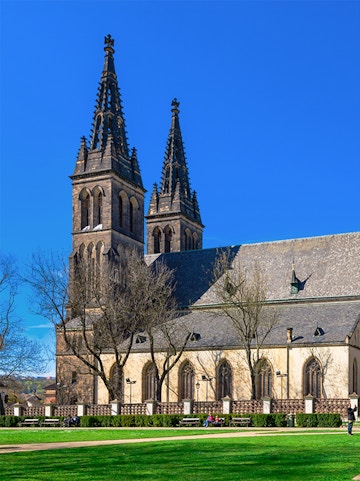
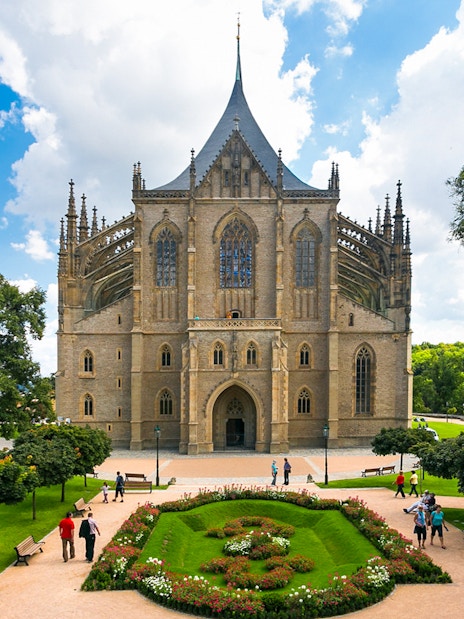
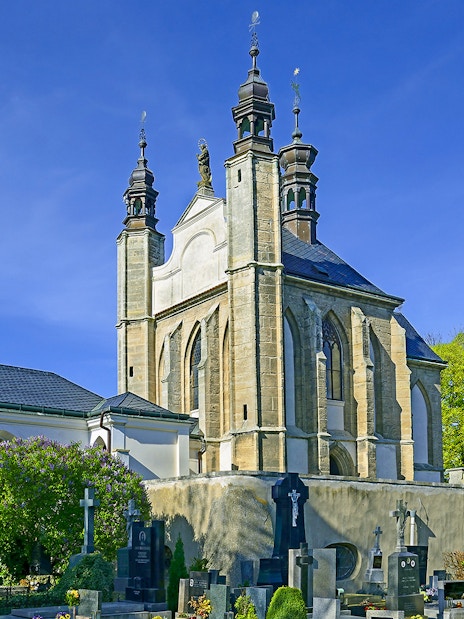
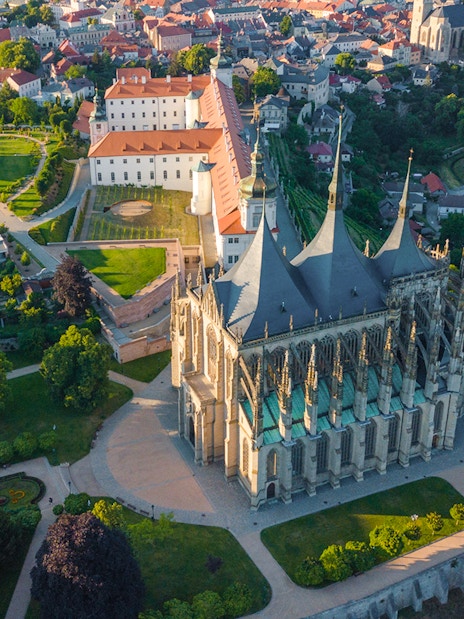
Kutna Hora church with cemetery on a sunny day during half-day tour.

The Sedlec Ossuary is a rare example of a burial chapel transformed into a permanent work of macabre art. The bone arrangements are intentional, symbolic, and historically documented, offering insight into medieval burial practices and Christian attitudes toward death. For day-trip visitors, it provides a short, focused visit that adds cultural and historical depth beyond Kutná Hora’s silver mines.

Things to know before booking Sedlec Ossuary tickets

  1. Tickets: The chapel requires a separate ticket from the day tour of Kutná Hora from Prague; tickets are not sold on-site at the chapel. You can either purchase them online or offline at the Sedlec Information Centre on Zámecká Street before entry.
  2. If you decide to buy it on-site, expect a wait time of 10–15 minutes at the ticket office, especially during peak seasons (April-September).
  3. Accessibility: Both floors of the chapel are currently inaccessible to visitors with physical disabilities due to ongoing reconstruction work.
  4. Combo: If you book your Sedlec Ossuary tickets online, you also get entry to Saint Barbara's Church, located 3.6 kilometers away.

Exploring inside Sedlec Ossuary

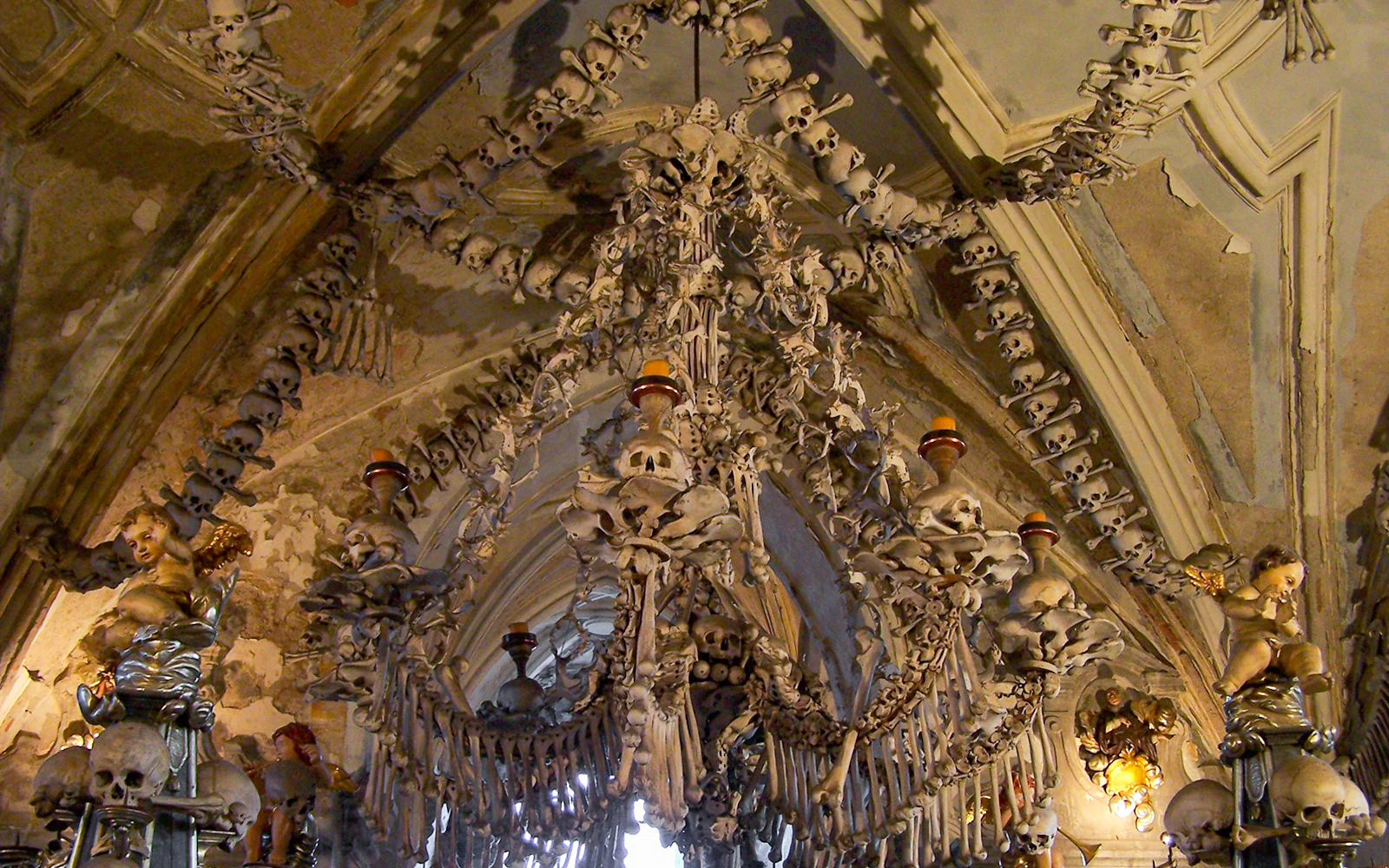
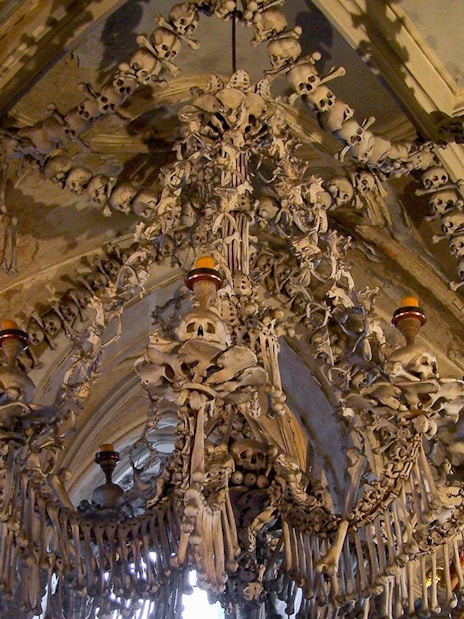
Sedlec Ossuary bone chandelier in Kutna Hora, Czech Republic.
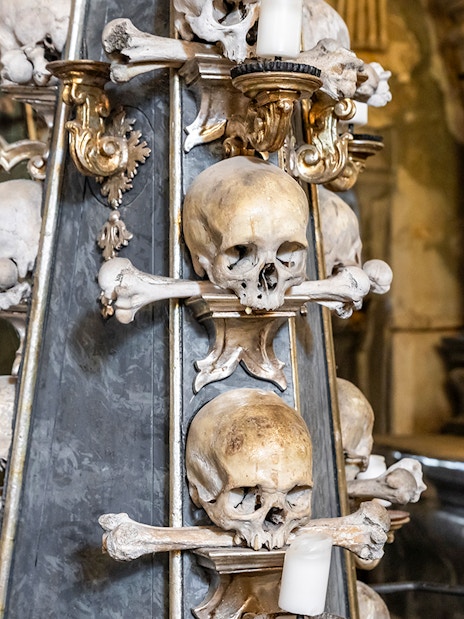
Candlestick made of human bones and skulls in Kostnice Sedlec chapel, Kutna Hora.
Schwarzenberg coat of arms made of bones, Sedlec Ossuary, Kutná Hora.
Angels and cross skeletal decoration at Sedlec Ossuary, Czech Republic.
Cross made of human skulls and bones at Sedlec Ossuary, Czech Republic.
1/5

Bone chandelier

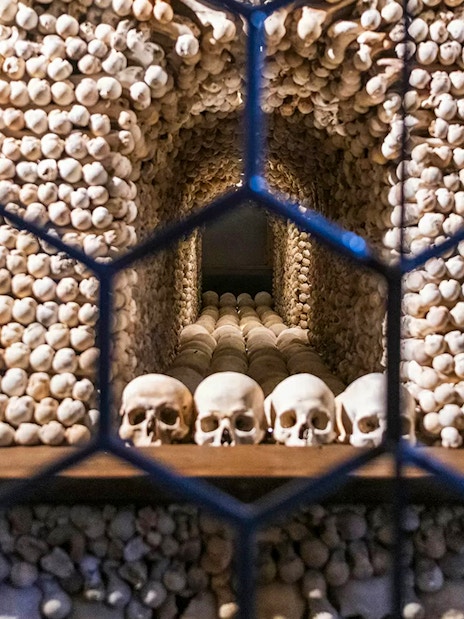
At the centre hangs the ossuary’s signature bone chandelier, crafted from human bones, including at least one of every type in the body. It symbolizes light and spiritual hope, and anchors the space visually as you step into the chapel’s lower chamber.

Bone pyramids and columns

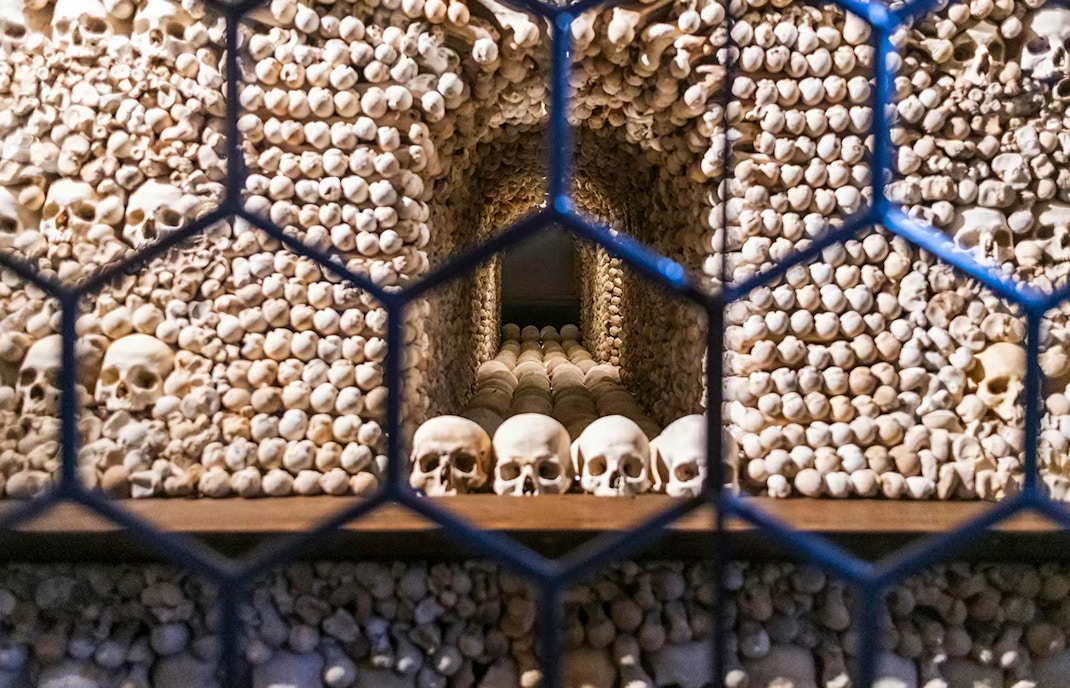
Surrounding the chandelier are four massive pyramids of stacked bones rising from the floor. These structured mounds reflect medieval practices of organizing exhumed remains and can be seen immediately upon entering, framing your view of the central space.

Schwarzenberg coat of arms

One wall features the Schwarzenberg family crest, intricately formed entirely from bones. Commissioned during the 19th‑century reorganization, it stands as a historical signature of the patron family and the woodcarver’s artistic role.

Bone garlands and sculptures

Across the vaulted ceiling and walls hang garlands of skulls and long bones. Smaller bone works,  including crosses, chalices, and monstrances, reflect themes of mortality and contemplation.

František Rint’s signature

Near the entrance, spot the woodcarver František Rint’s signature written with bones, a rare personal mark within the chapel that connects the artistry to its 19th‑century creator.

Historical significance of Sedlec Ossuary

Sedlec Ossuary’s origins date back to the 13th century, when the Cistercian abbot brought soil from Golgotha, making the Sedlec cemetery a highly sought burial site for Christians across Bohemia. Massive deaths from famine, plague, and wars led to tens of thousands of burials, and the chapel’s lower level was used to house the exhumed skeletal remains. In 1870, woodcarver František Rint was commissioned to artistically arrange these bones into symbolic forms, including the famous chandelier and coat of arms. The ossuary reflects medieval Christian burial practices and beliefs about death and resurrection, and is a key part of Kutná Hora’s cultural heritage.

Architectural highlights of the Bone Church

Gothic chapel structure

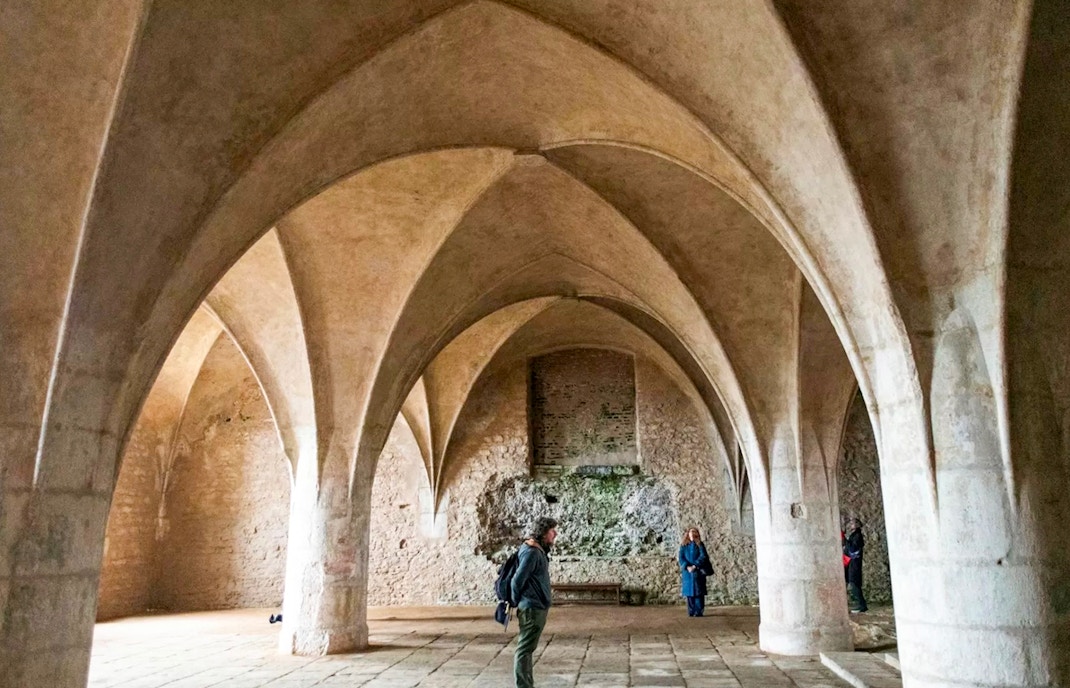
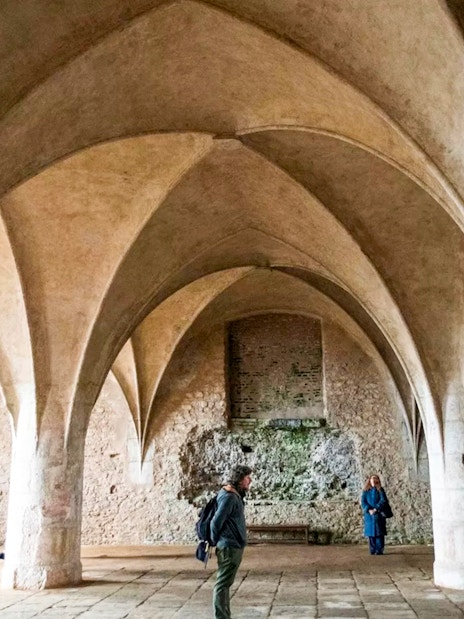
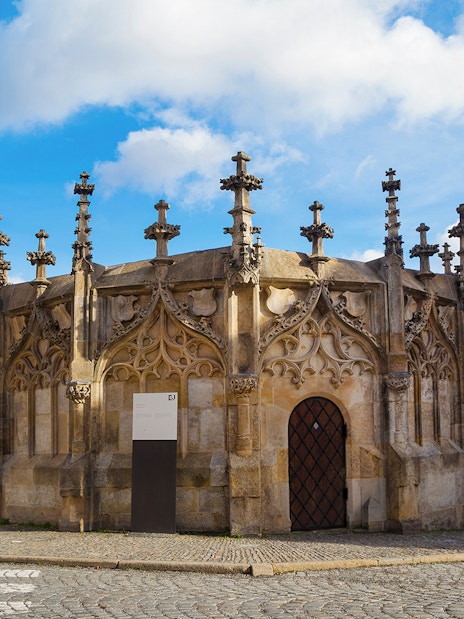
Sedlec Ossuary is part of the Gothic Cemetery Church of All Saints, built in the 14th century. Its vaulted ceilings and pointed arches are characteristic of Gothic architecture, creating a vertical space that emphasizes reverence and height above the bone displays.

Integration of bone structures

The 1870 redesign by František Rint transformed the interior when bones, arranged as chandeliers, pyramids, and garlands, complemented the Gothic arches, thus turning human remains into structural and decorative elements of the chapel.

Know before you go

  • Address: Zámecká, 284 03 Kutná Hora 3, Czechia (find on Maps)
  • Timings: The ossuary is open daily (except December 24), but with seasonal variations:
    • April–September from 9am–6pm
    • November–February from 9am–4pm
    • March and October from 9am–5pm
    • The chapel visit takes between 30–60 minutes.
No smoking sign on a pole in an outdoor setting.
  • Health & mobility: Sedlec Ossuary is not recommended for visitors with heart conditions, respiratory issues, or pregnancy, due to confined spaces and stairs in the lower chapel. 
  • Behavior: Touching bones or other historic elements is strictly forbidden.
  • Attire: Wear respective clothing; revealing or eccentric costumes are not permitted.
  • Outside food & beverages: Eating, drinking, and smoking are not allowed inside the chapel.
  • Pets: Only registered service animals are permitted.
  • Photography and videography: Prohibited inside the chapel.

Frequently asked questions about Sedlec Ossuary tickets

It’s optional but highly recommended. A brief visit adds historical and cultural depth to your day in Kutná Hora.

More reads