From happy customers

Loved by 47 million+
Trustpilot rating: 4.5 out of 5
Zoe

Zoe

Oct 2025
Went with friends. Heavy topic, but the guide handled it well. The children’s memorial was so moving. Bring snacks, there’s no food on the tour.
Klara

Klara

Dec 2025
Visited with my mum last week and honestly, it’s hard to put into words. The small fortress is chilling, especially the cells—you can almost feel the past in the air. Our guide was super passionate (sometimes talked a bit fast tho, so I missed some bits). Weather was grey and moody which kinda fit the place. Bus was comfy, but fyi there’s not really anywhere to grab a snack til you’re back in town, so pack something if ur like me and get hangry. Left feeling thoughtful and a bit heavy, but learned a lot.
Lucas

Lucas

Oct 2025
Visited Terezin with my partner on a slightly drizzly day, which honestly felt fitting for the place. The guide was SUPER passionate (maybe even a bit intense at times) and shared a lot of details you don't get from history books. We started at the small fortress—felt like stepping into a history lesson that punches you in the gut. Only thing is, the museum closed a bit early that day so we had to rush the last bit. Def recommend bringing snacks cause the cafeteria was closed (not sure if that's always the case). Heavy, but memorable.
Laura Terruli
IT

Laura

Italy
Oct 2025
Very touching experience, Bianca our guide took us into another dimension. Convenient connections and punctuality. Highly recommended


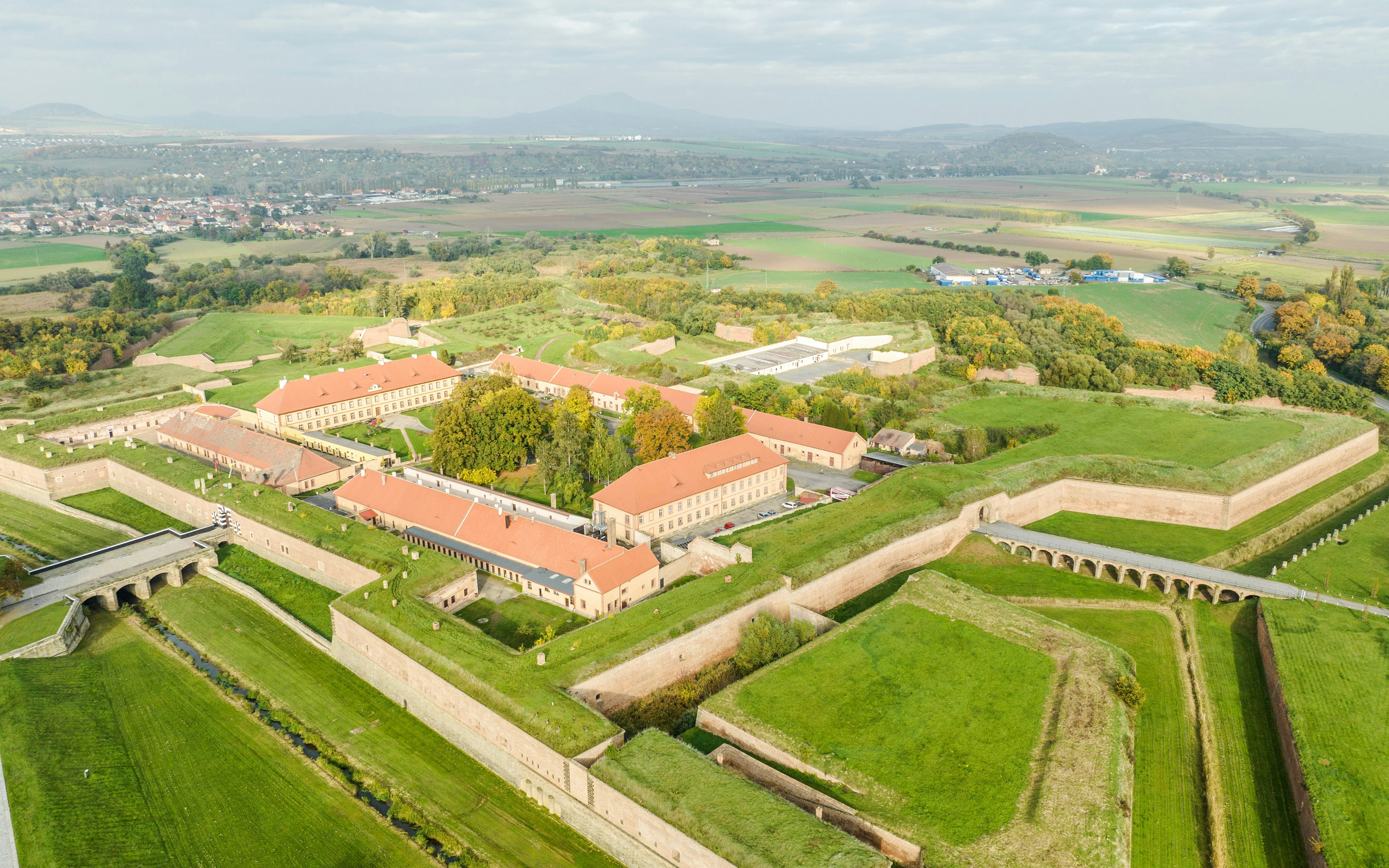
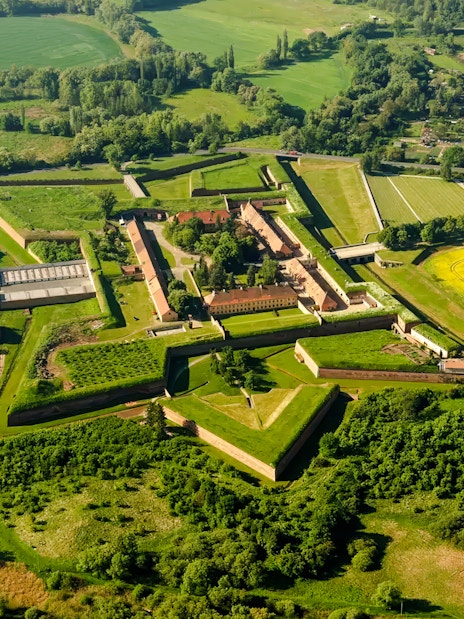
Terezín Concentration Camp, also known as Theresienstadt, served as a Nazi ghetto and transit camp during World War II. Today, it stands as a memorial and museum, preserving history through its fortifications, exhibitions, and testimonies of those who suffered here.

Where is it located?

Terezín Concentration Camp is in the town of Terezín, 60 km (37 miles) northwest of Prague in the Czech Republic. It occupies a historic fortress originally built in the late 18th century.

How to access it?

You can explore Terezín Concentration Camp via guided or self-guided tours. Tickets are available for the museum and memorial grounds, and some include access to multiple exhibition buildings. No separate entry is required for the main memorial site.

Things to know before visiting the Terezín Concentration Camp

  1. The Terezín Concentration Camp covers a total area of 3.89 km² and is divided into three main sections: the main fortress, the small fortress, and the Ghetto Museum. Access varies by ticket type.
  2. Entry to all three sections is included on the full-day tour led by a live guide; choose your language at checkout.
  3. For a shorter visit, only to the small fortress, book the Terezín Small Fortress Day Trip, available in five languages.
  4. All tours include comfortable round-trip transfers from Prague in an air-conditioned bus.

Why visit the Terezín Concentration Camp

Terezín Concentration Camp is a preserved Holocaust memorial documenting life inside a Nazi ghetto and Gestapo prison. Must-see highlights include the Small Fortress cells and the Ghetto Museum. Uniquely, over 4,000 children’s drawings and poems created in Terezín survive as powerful historical records to date.

Terezín Concentration Camp tickets explained

Ticket typeGuidedMuseum entryWhy go for it?Recommended tours

Full access day trip from Prague

Live

✔️

Covers all major sites with expert historical context

Book now

Small Fortress day trip from Prague

Audio

Focused visit to the Gestapo prison, multilingual audio guide

Book now

Exploring inside the Terezín Concentration Camp
Placeholder Image Headout Blimp
1/8

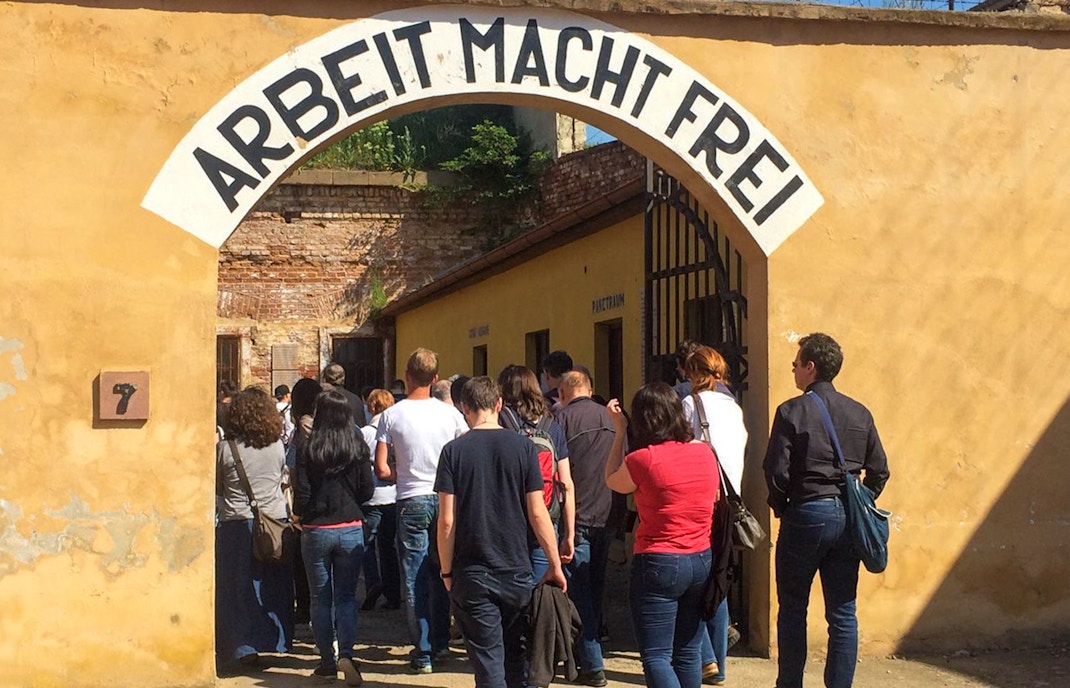
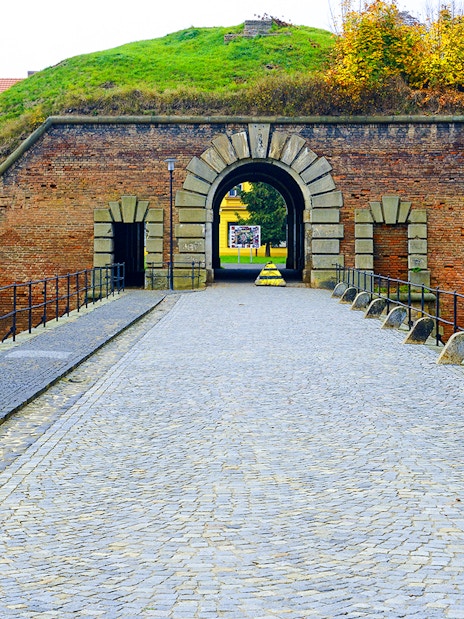
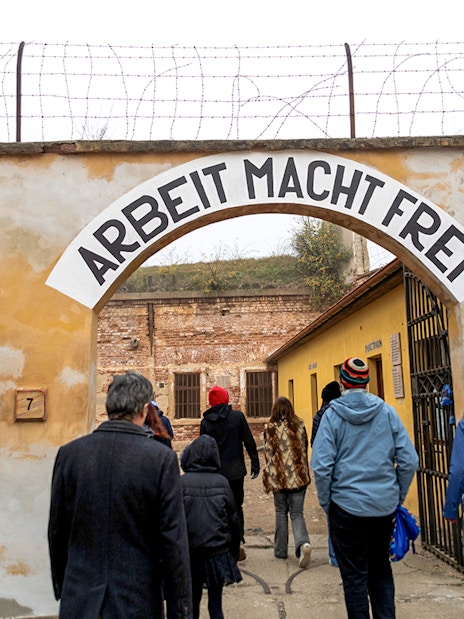
Small fortress (malá pevnost) & Gestapo prison

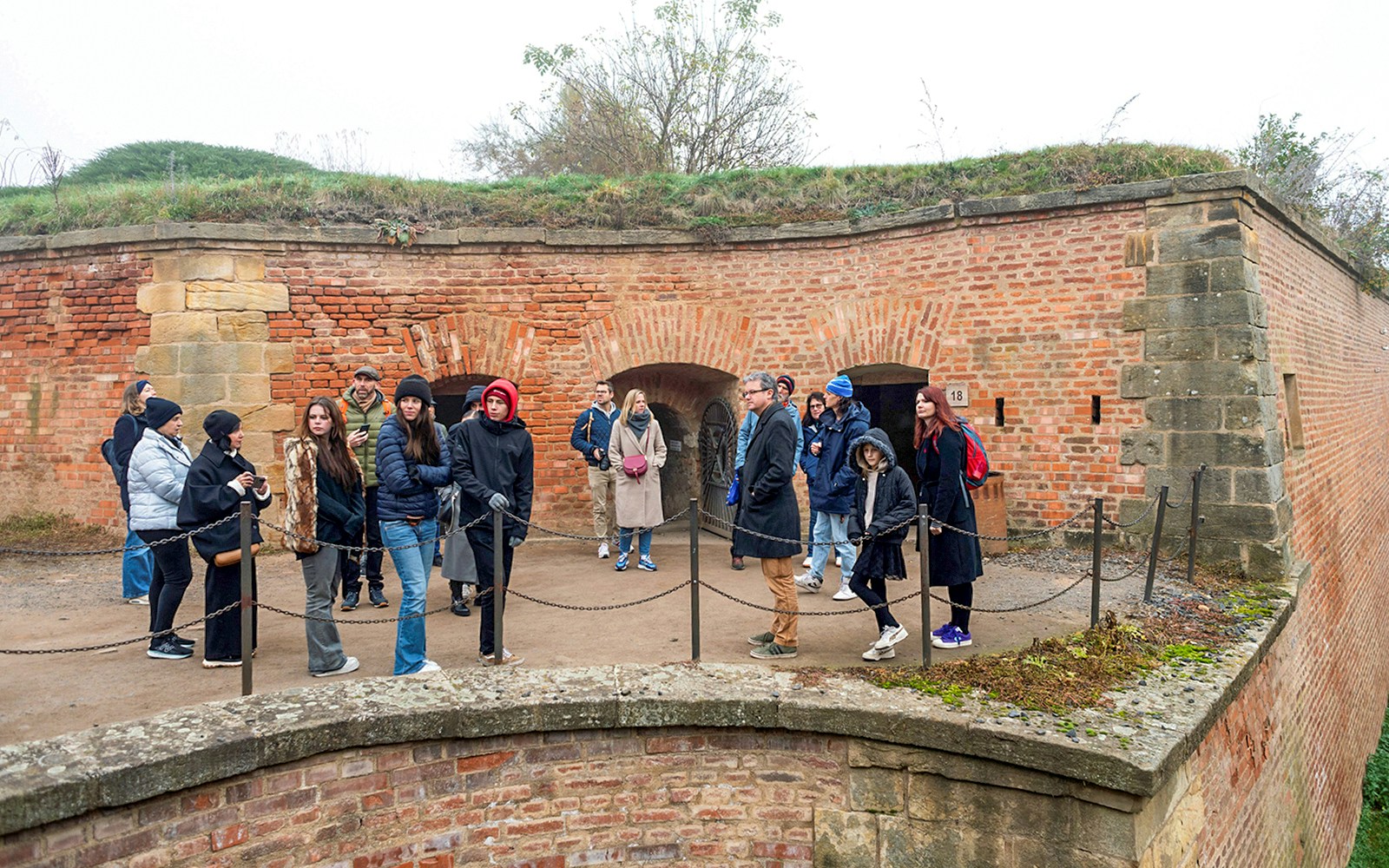
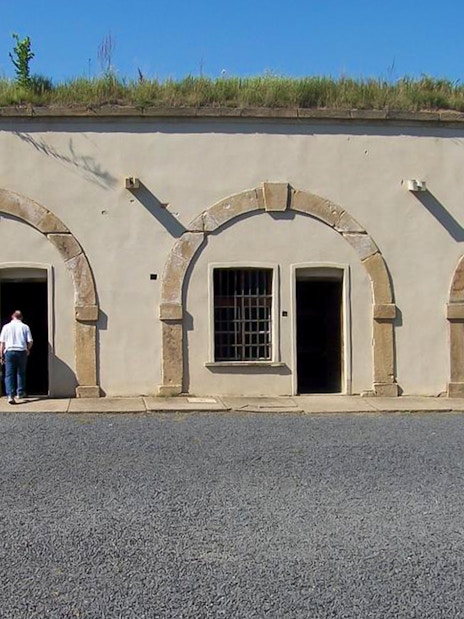
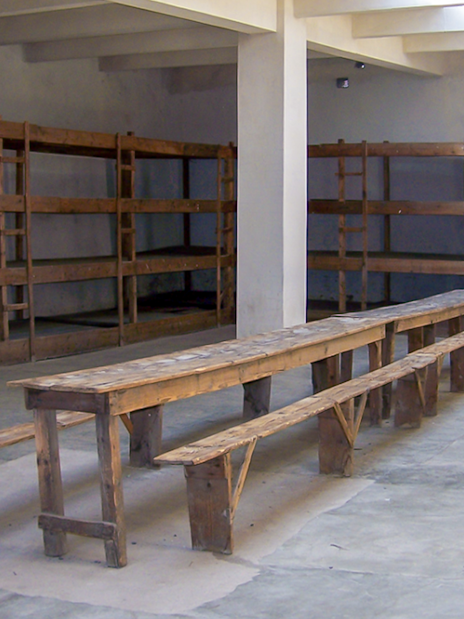
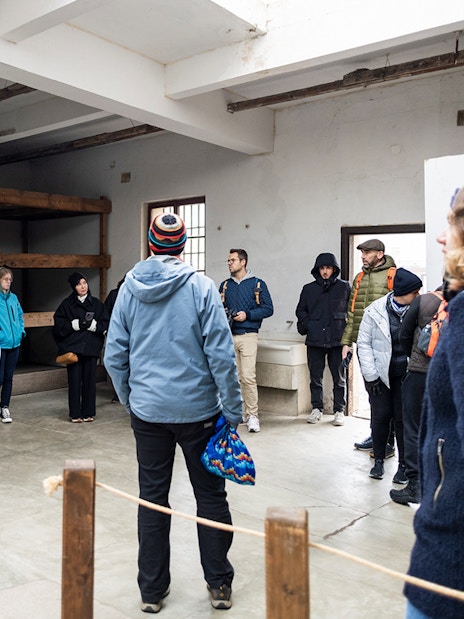
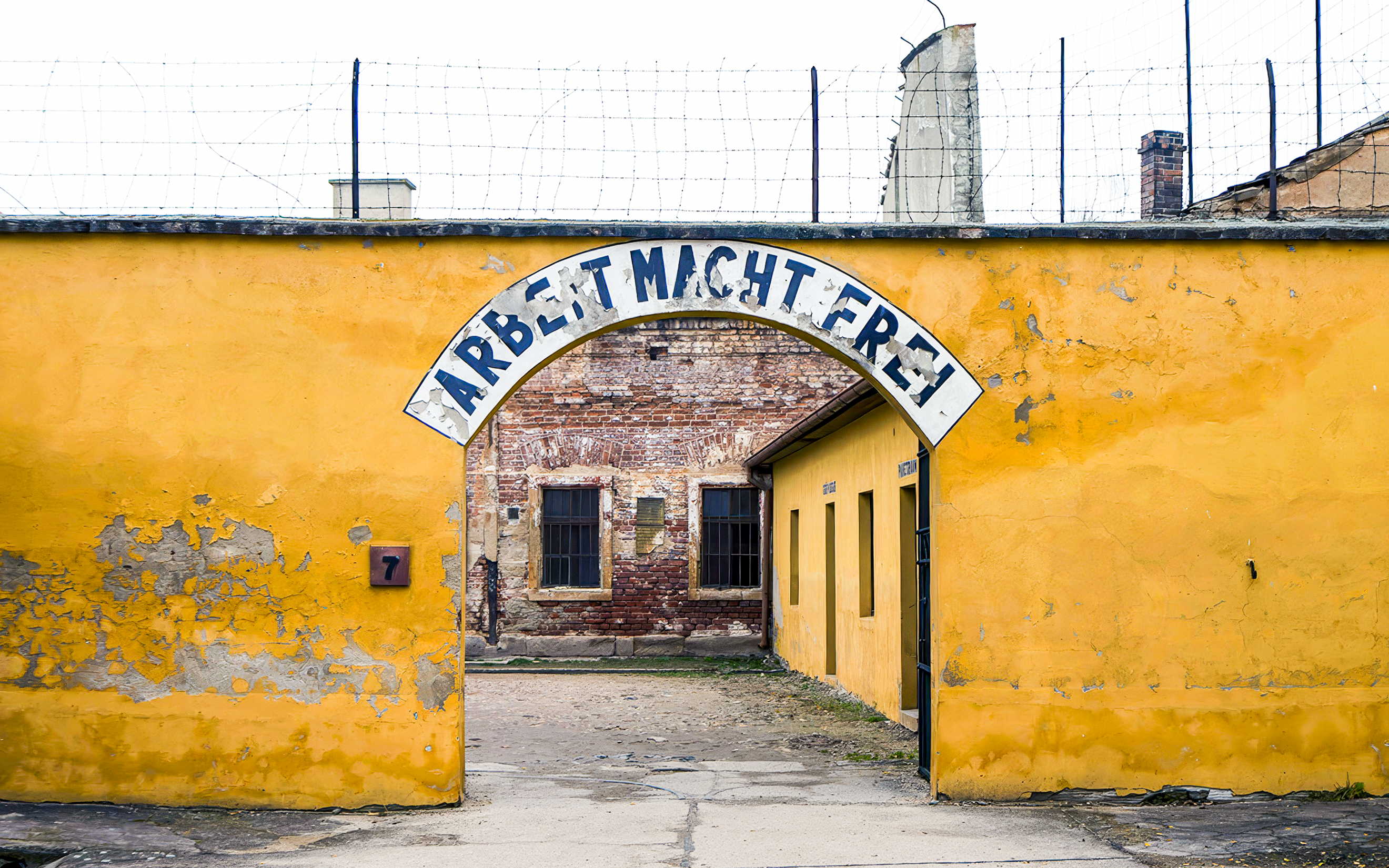
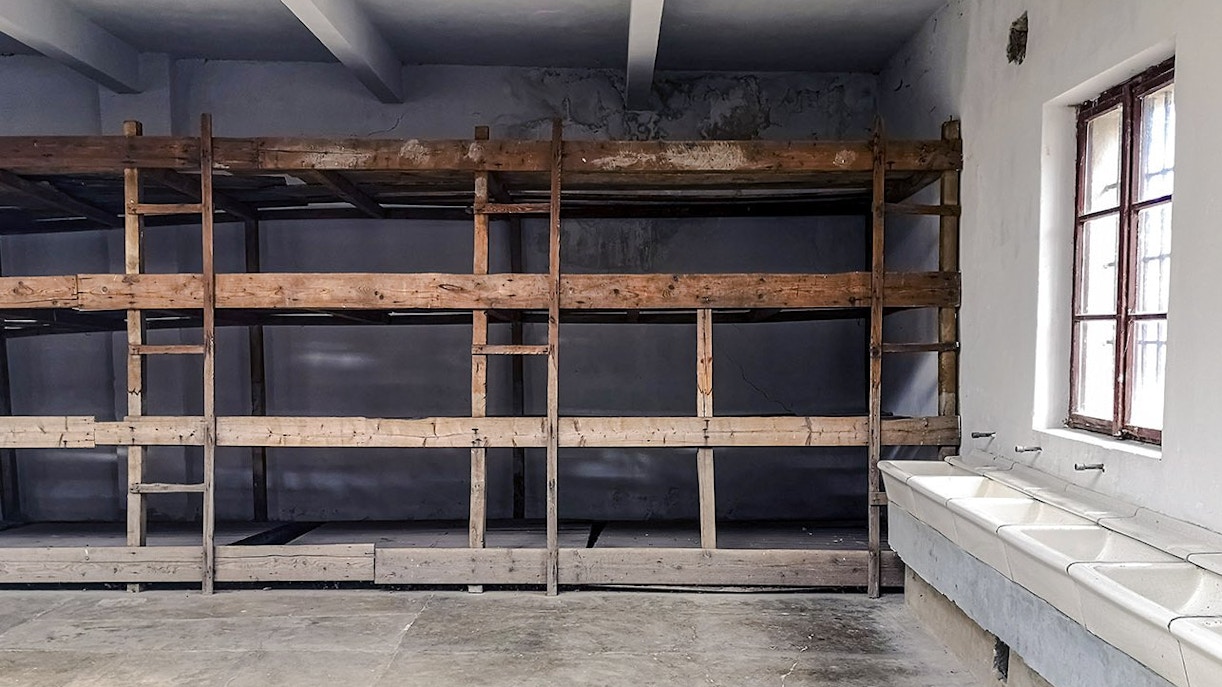
Most visits begin at the Small Fortress, used by the Gestapo (secret police of Nazi Germany) as a prison between 1940 and 1945. You’ll pass through guarded gates into prison courtyards, collective cells, solitary confinement rooms, interrogation areas, and execution sites. The preserved layout reveals harsh detention conditions faced by political prisoners, resistance members, and Jews before deportation or execution.

Prison yards, cells & execution grounds

Inside the Small Fortress, open courtyards, punishment cells, and gallows illustrate the systematic brutality of Nazi imprisonment. Informational panels and personal records document overcrowding, forced labor, disease, and torture. These spaces remain largely unchanged, reinforcing the scale of suffering endured by thousands held here under Gestapo authority.

Ghetto Museum: Life inside Theresienstadt

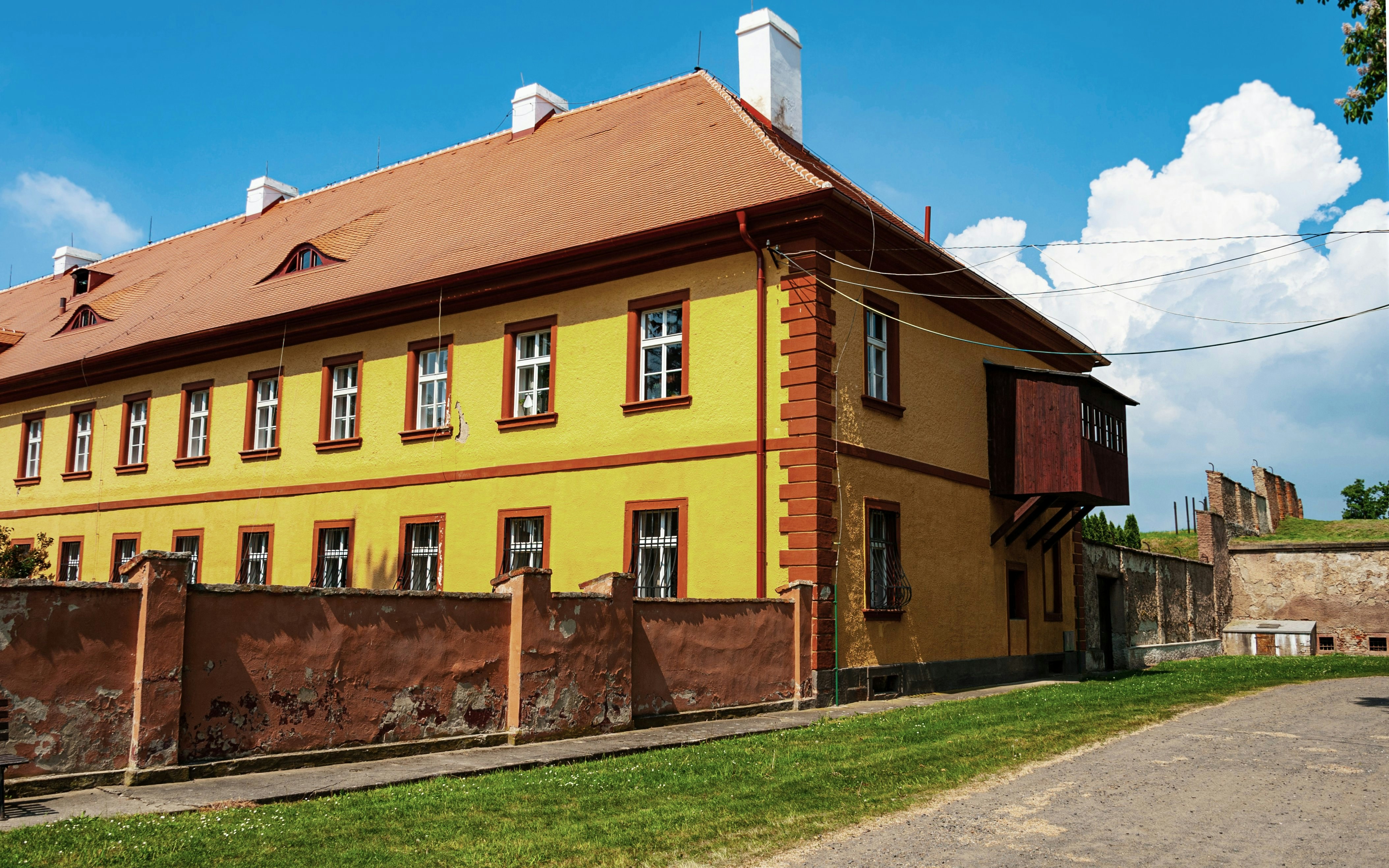
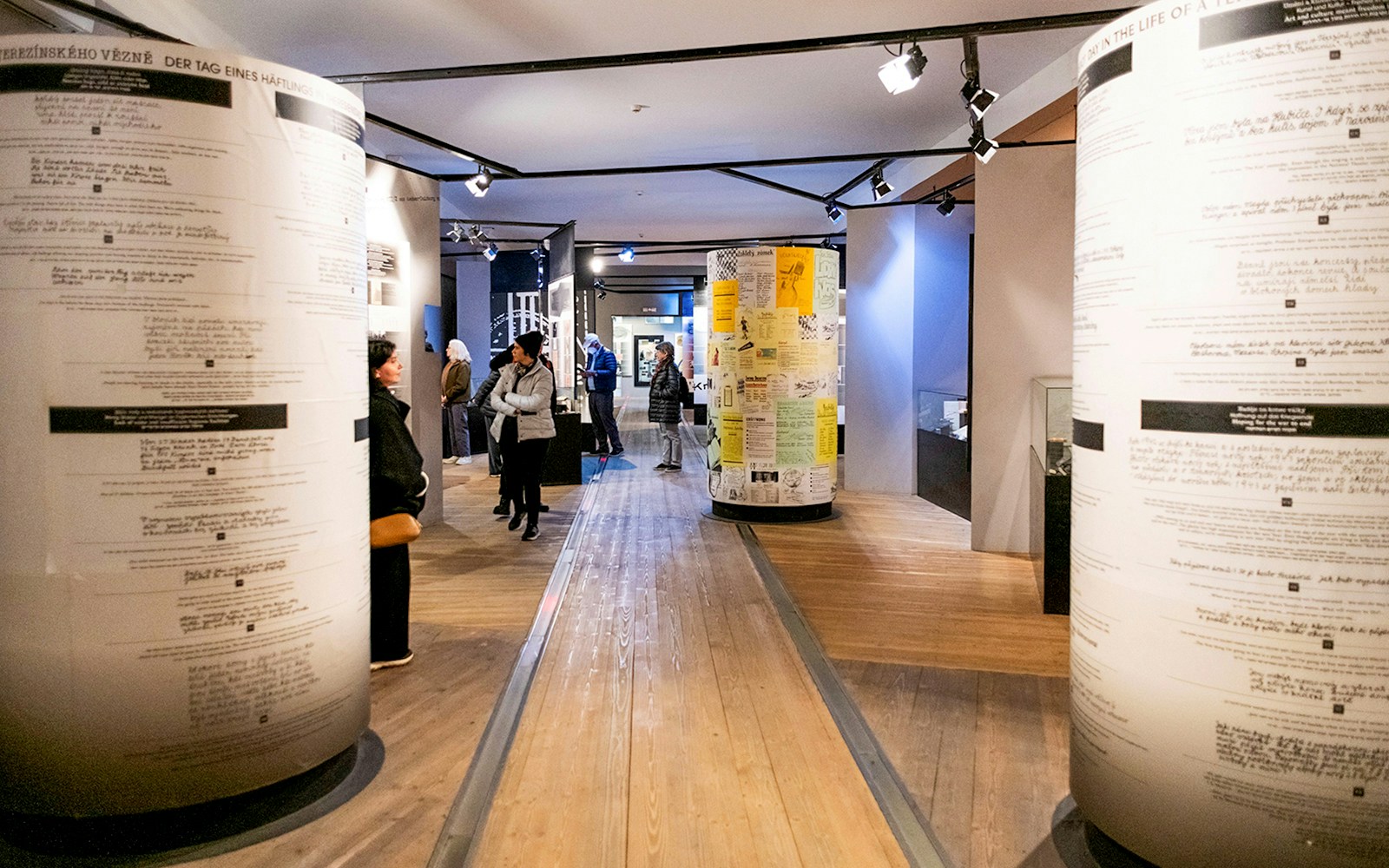
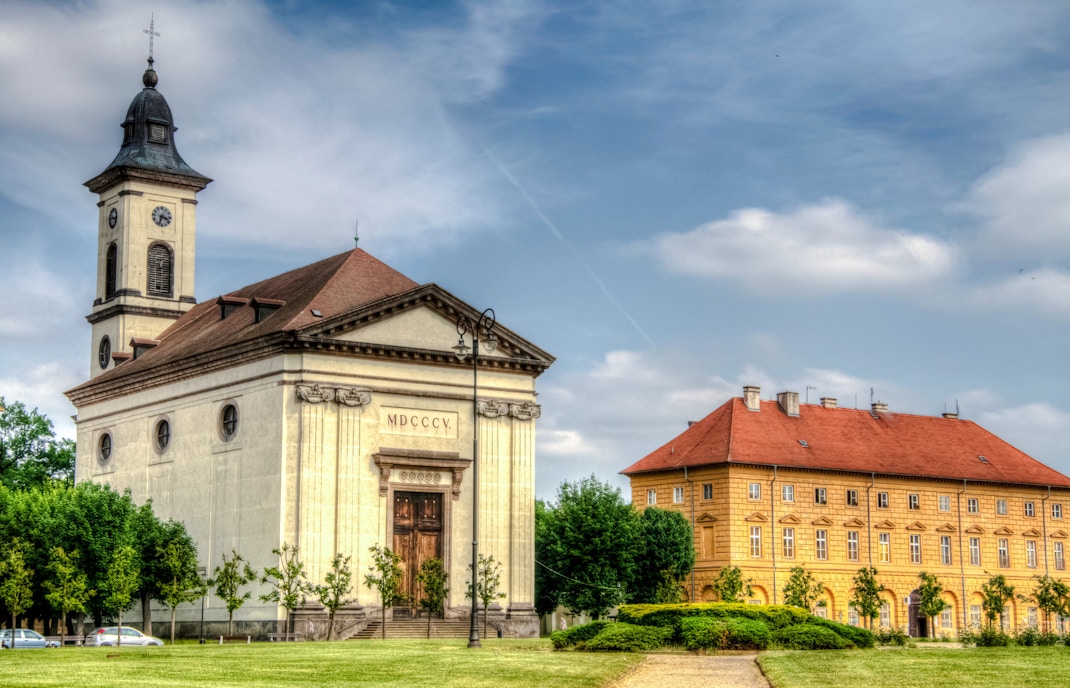
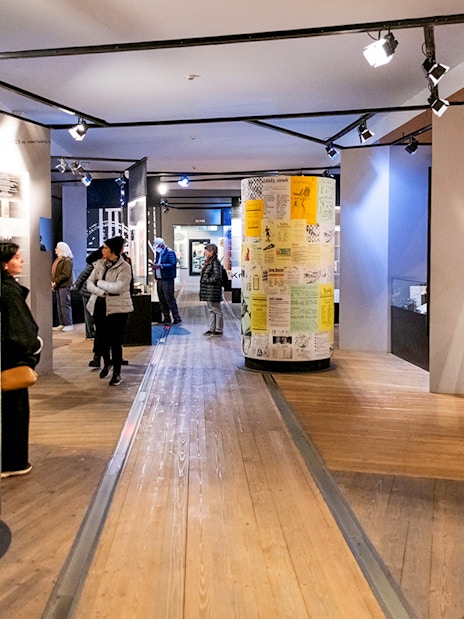
Located in the former town school, the Ghetto Museum documents Jewish life inside the Terezín ghetto. Exhibits include photographs, transport lists, personal belongings, diaries, and official Nazi orders. A major focus is daily survival: housing shortages, starvation, forced labor, and the camp’s role as a transit point to extermination camps.

Children’s drawings & cultural resistance

One of the most moving sections features children’s drawings, poems, and notebooks created in Terezín. Over 4,000 works survive today, many on display here. They reveal how education, art, music, and theatre became acts of cultural resistance, offering children emotional refuge despite deportations and near-certain death.

Crematorium, columbarium & memorial grounds

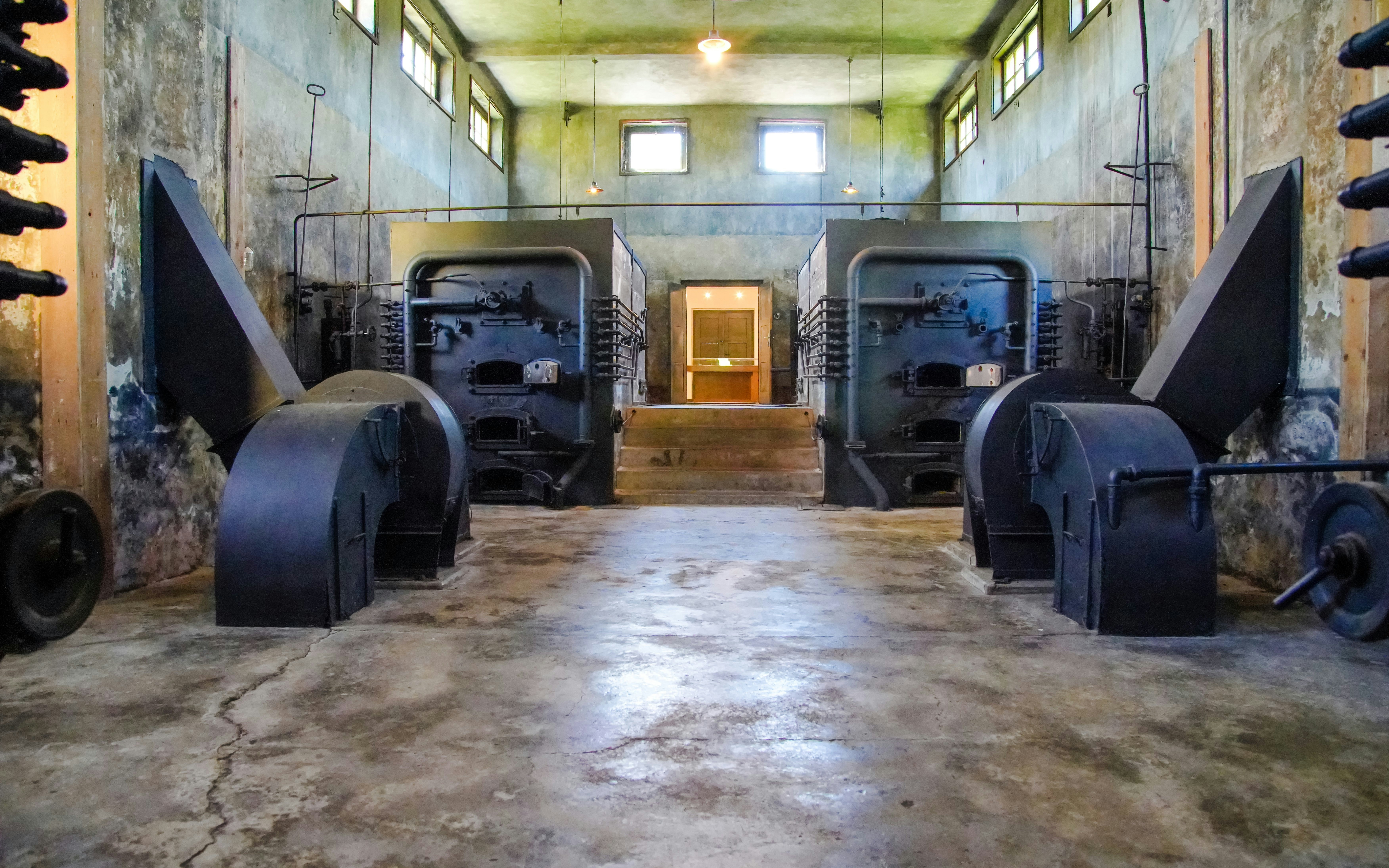
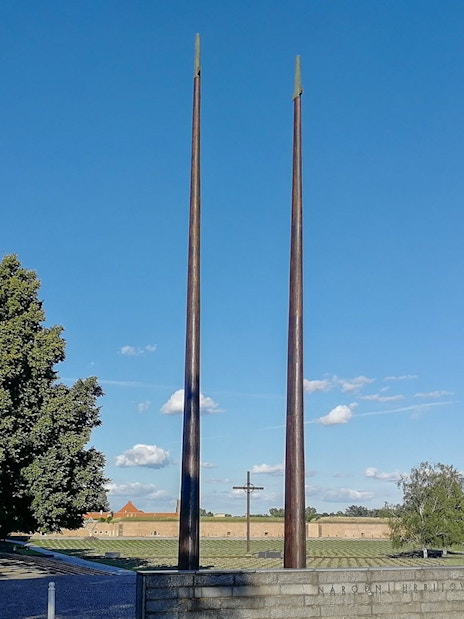
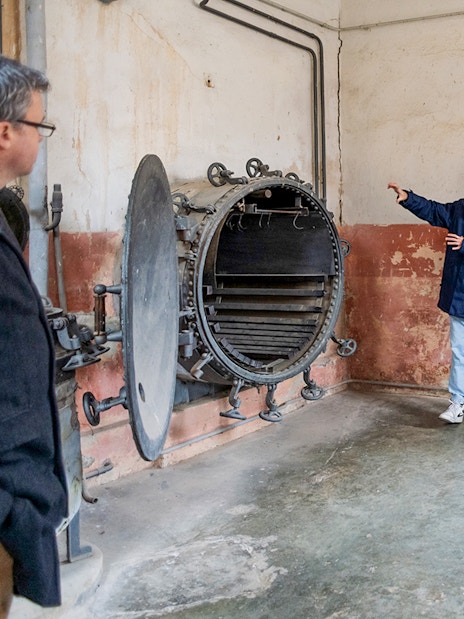
The visit concludes at the crematorium and surrounding memorial sites. This area explains how bodies were handled and commemorates victims who died from starvation, illness, or execution. Memorial plaques, mass burial grounds, and ceremonial halls provide space for reflection, emphasizing remembrance over spectacle.

Columbarium

Located near the crematorium, the columbarium stored urns containing the ashes of prisoners who died in Terezín. In 1944, the Nazis ordered the urns destroyed to eliminate evidence of mass death. The space now stands as a memorial, symbolizing both systematic murder and deliberate attempts to erase victims’ identities.

Central Cemetery & mass graves

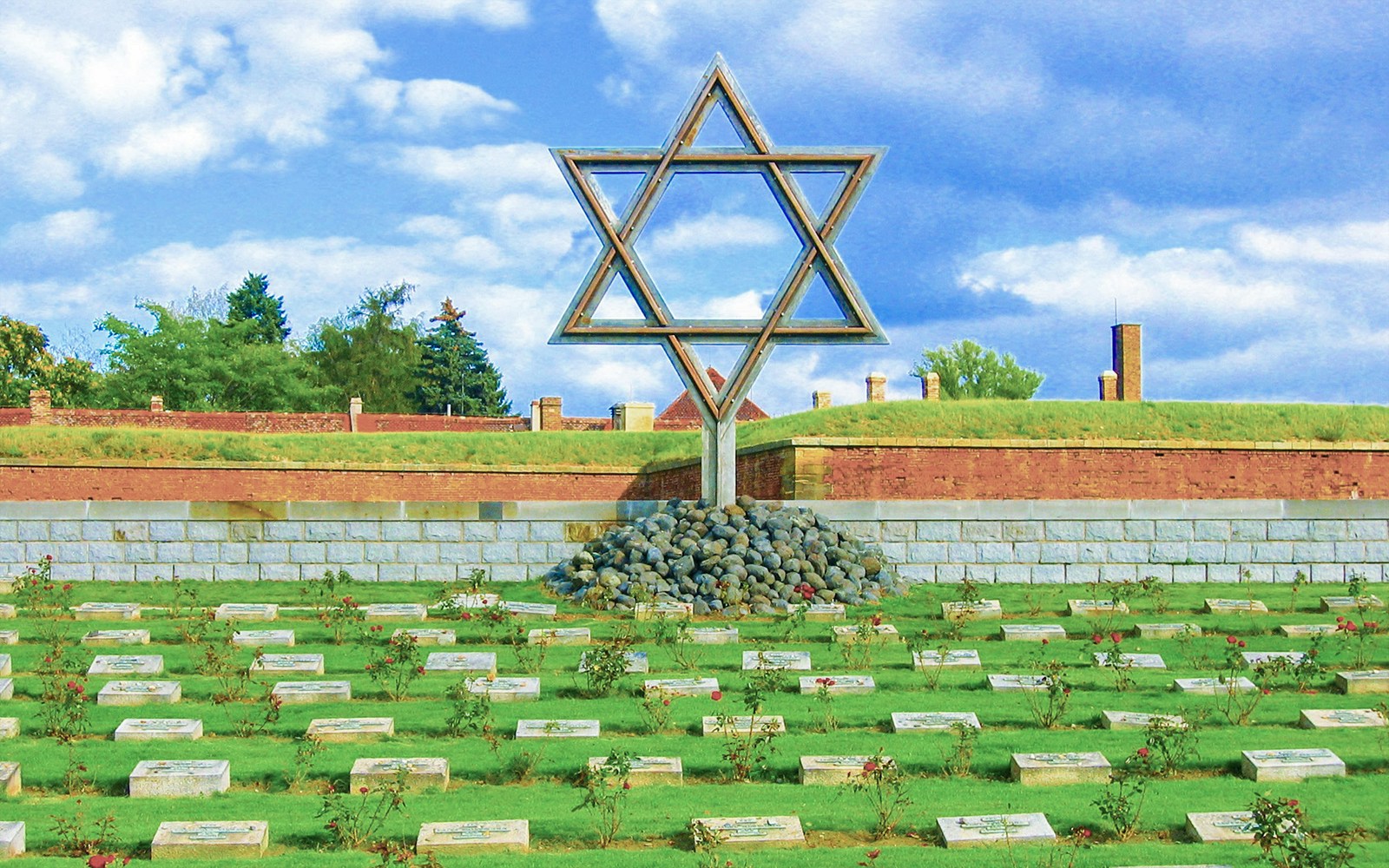
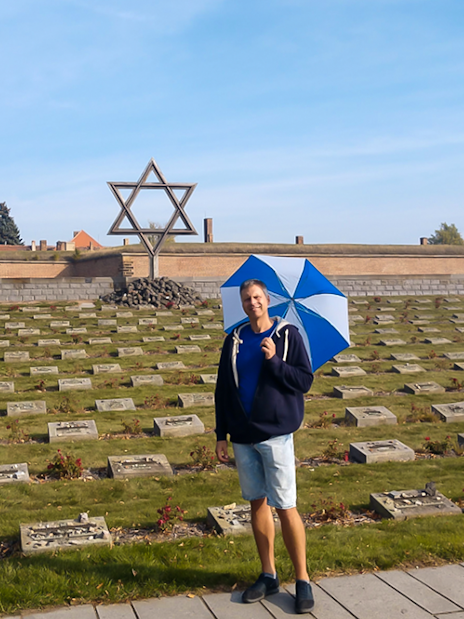
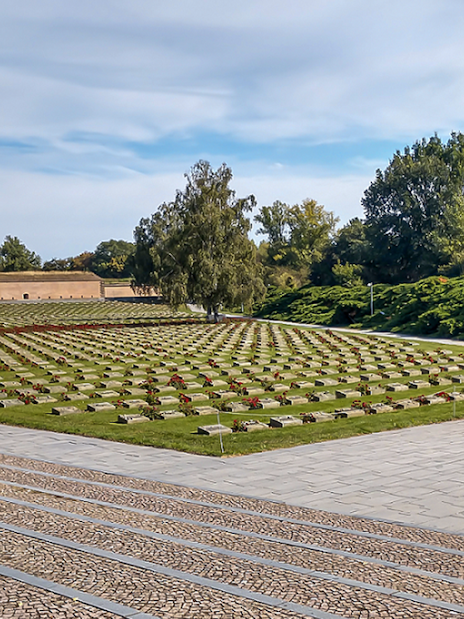
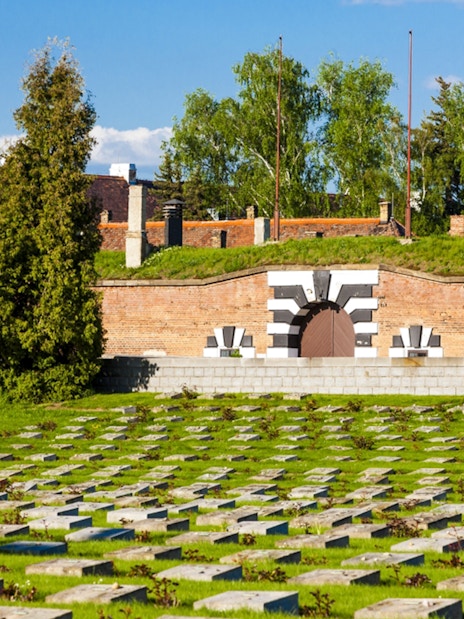
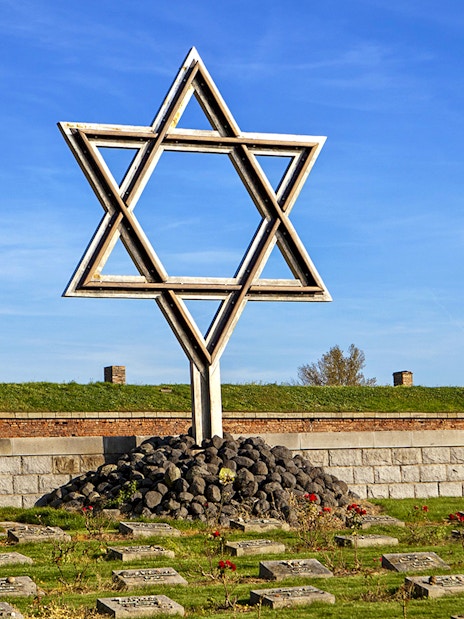
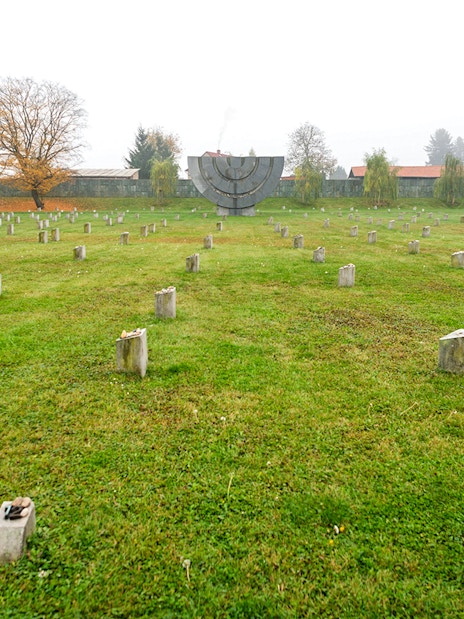
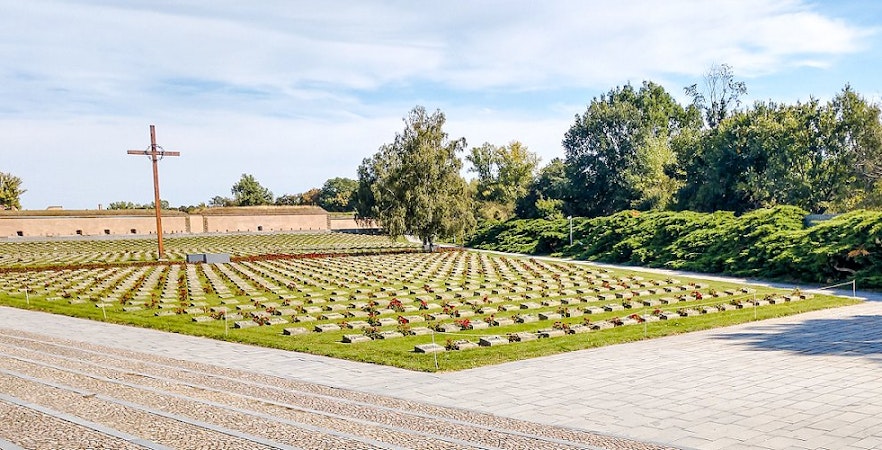
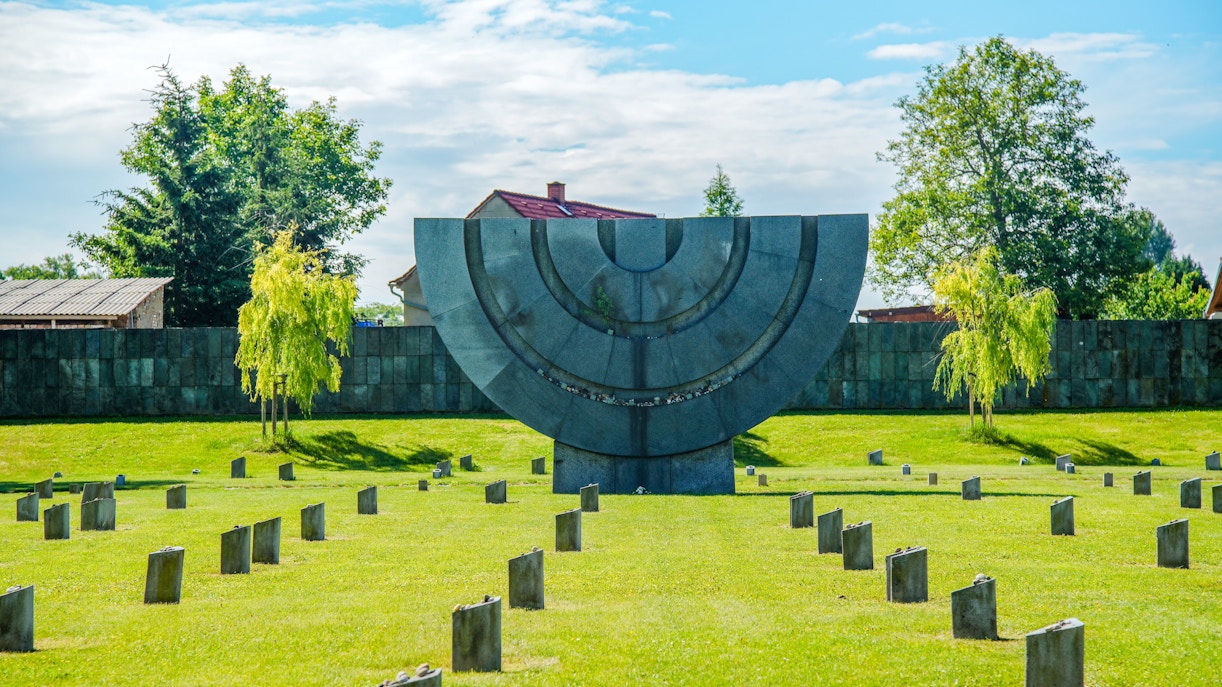
The Central Cemetery holds mass graves of prisoners who died from starvation, disease, and exhaustion. Memorial markers honor victims of different nationalities and faiths. This open, solemn space emphasizes the scale of death at Terezín and serves as a final point of remembrance within the memorial grounds.

Deportation route & railway context

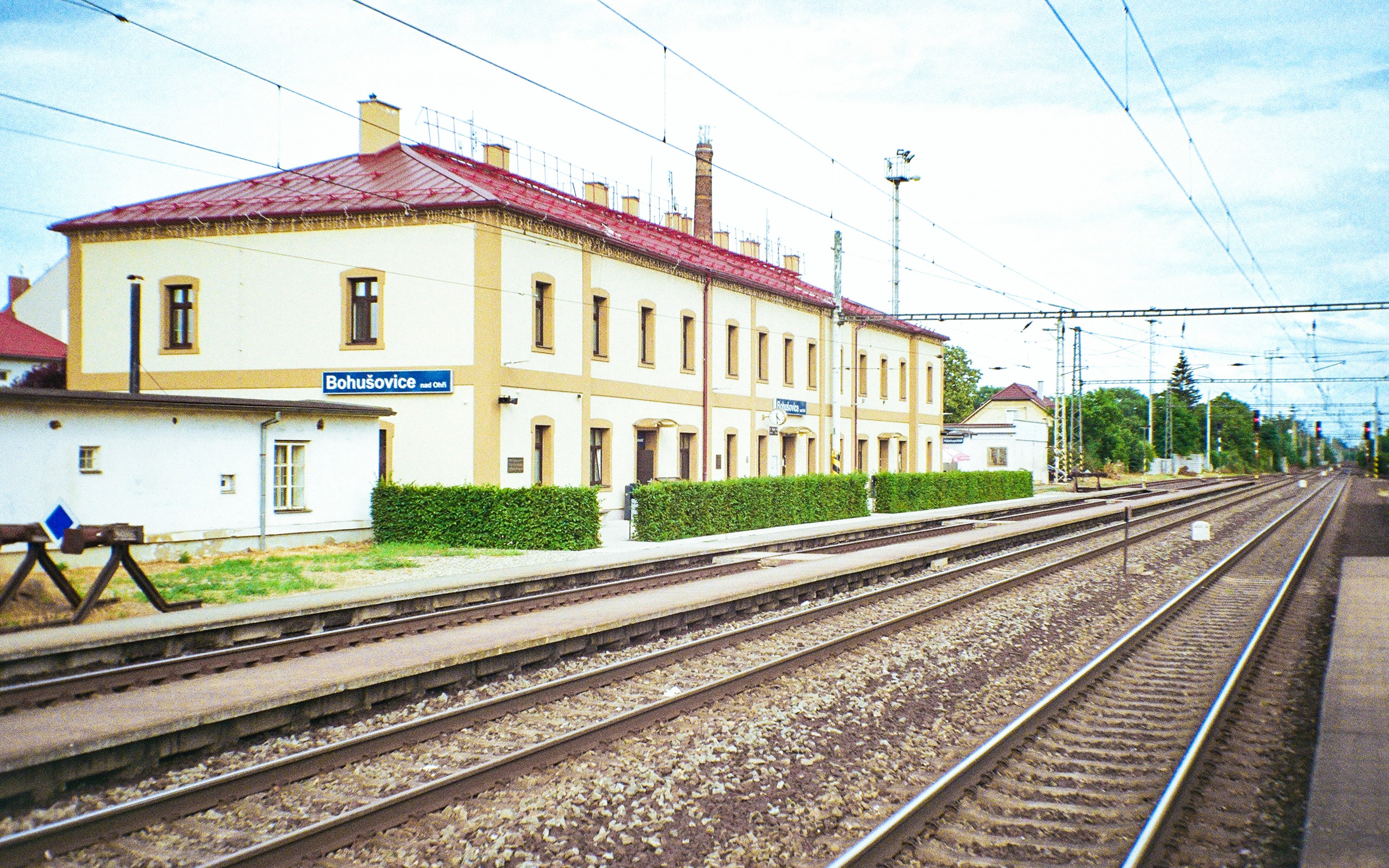
Although trains departed from nearby Bohušovice station, exhibits in Terezín explain the deportation process in detail. Transport lists, schedules, and survivor accounts document how most prisoners were sent onward to Auschwitz and other extermination camps, reinforcing Terezín’s role as a transit camp rather than an endpoint.
Historical significance of the Terezín Concentration Camp

Terezín Concentration Camp stands as one of the most documented Nazi ghettos, revealing both systematic persecution and cultural resilience during the Holocaust. Used as a transit camp and propaganda tool, it exposed Nazi deception while preserving rare evidence of Jewish self-expression through art, music, and education. Today, it remains a vital memorial, shaping Holocaust education and collective memory across Europe.
Notable figures held at the Terezín Concentration Camp

Viktor Ullmann

Imprisoned in Terezín from 1942–1944; composed extensively there before deportation and murder at Auschwitz.

Gideon Klein

Interned in Terezín; organized and performed concerts and lectures; later deported and killed in 1945.

Rafael Schächter

Founded and conducted the Terezín choir; famously staged Verdi’s Requiem multiple times using a smuggled score.

Friedl Dicker-Brandeis

Art educator in Terezín; taught children secretly and preserved their drawings, which survived the war.

Know before you go

Small Fortress:

  • Winter time (November–March): Daily, 9am–4pm
  • Summer time (April–October): Daily, 9am–5pm

Ghetto Museum & Magdeburg Barracks, Prayer Room, Replica of the mansard

All year round: Daily, 9am–5pm

Crematorium, Columbarium, Mortuary, Ceremonial halls

  • Open daily except on Saturdays
  • Winter time (November–March): 10am–4pm
  • Summer time (April–October): 10am–5pm

Address: Principova alej 304, 411 55 Terezín, Czechia | Find on Maps

The camp is located in the town of Terezín, approximately 60 km northwest of Prague. The memorial is spread across multiple sites, including the Small Fortress, Large Fortress (ghetto town), and surrounding memorial grounds.

Getting there

  • By train: No direct train; nearest stations are in Bohušovice nad Ohří and Litoměřice; 40-minute journey by bus/on foot to Terezín (Find on Maps)
  • By bus: Direct bus from Prague to Terezin; boarding stop at Praha, Letnany station, platform L, route #413 (Find on Maps)
  • By car: Take exit number 35 or 45; a 45-minute drive from Prague and from the north of Ústí nad Labem. (Find on Maps)

Frequently asked questions about Terezín Concentration Camp tickets & tours

No. You must book a dedicated Terezín ticket or day tour that clearly lists site access.

More reads

Day trips from Prague

Plan your visit