- Budget 4–6 hours for a solid visit, and closer to a full day if you are traveling with children, stopping for meals, or covering both major pavilions and play areas.
- The range comes down to terrain as much as interest: 3 hours is possible, but it feels rushed.
Quick Information
ADDRESS
#U Trojského zámku 120/3, 171 00 Praha 7, Czechia
RECOMMENDED DURATION
5+ hours
Timings
09:00–18:00
VISITORS PER YEAR
1500000
TICKETS
From $14.73
EXPECTED WAIT TIME - STANDARD
0-30 mins (Peak), 0-30 mins (Off Peak)
Did you know?
Prague Zoo’s official Czech name is "Zoologická zahrada hl. m. Prahy," not just "Zoo Praha."
The lower part of the zoo was heavily affected by the 2002 flood, and later rebuilding focused on more modern, flood-resilient exhibits and infrastructure.
The site is split between lower riverside areas and upper hillside zones, and an internal chairlift sometimes helps visitors move between them when operating.
Is the Prague Zoo worth visiting?
- Even before you reach the first major pavilion, this place feels bigger than a city zoo should. Paths split across wooded slopes, sea lions bark near the lower pools, and the upper ridges open into long views over Troja and the Vltava. It feels less like a quick attraction and more like entering a hillside park filled with extraordinary animals.
- It was built as a zoological garden with real conservation ambitions, not just a parade of enclosures. That purpose still shapes the visit: roomy habitats, breeding programs for endangered species, and pavilions designed around ecosystems rather than simple display.
- What stays with most visitors is the sense of scale and discovery. You do not just tick off elephants, gorillas, and giraffes; you keep finding giant salamanders, pangolins, and Przewalski’s horses that make the day feel richer and stranger than expected.
What to see at Prague Zoo?
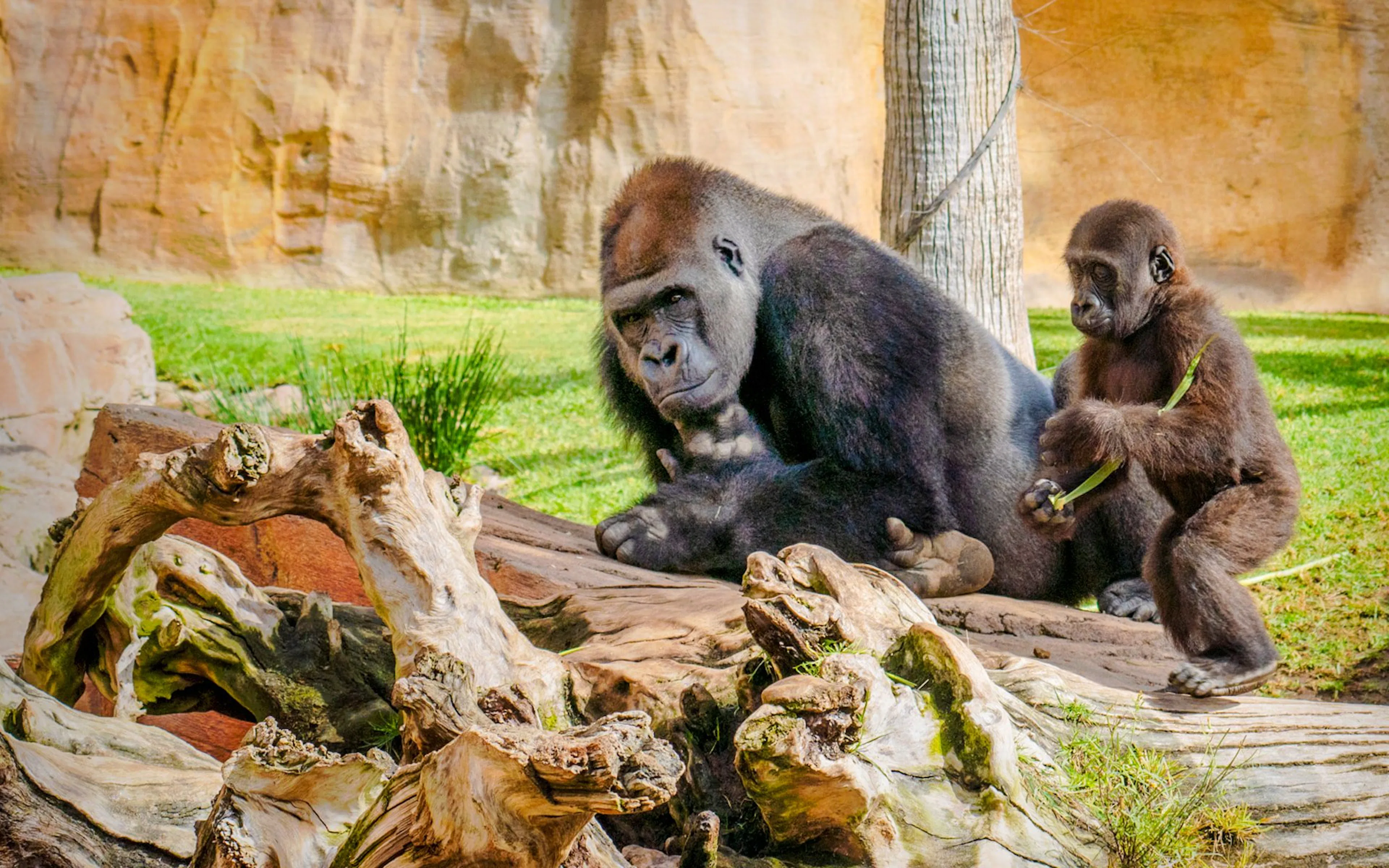
1/7
Dja Reserve
Start here if you enter through Sklenářka Gate. The new gorilla habitat is one of the zoo’s biggest draws, and mornings are noticeably calmer. Many first-timers wish they had built their route around this pavilion.
Elephant Valley
A broad outdoor habitat where the Asian elephant herd can move, bathe, and interact. Give this space time; it is one of the exhibits that rewards patience rather than a quick walk-by.
African House and the savannah
Giraffes, antelopes, and zebras read best together here because the scale matters. The upper plateau is flatter than the lower zoo, so it is a good stretch to cover before the downhill sections.
Indonesian Jungle Pavilion
A humid glasshouse of orangutans, gibbons, birds, and dense tropical planting. It is also a smart midday stop when the weather turns hot, cold, or rainy, because you can reset indoors without losing momentum.
Giant Salamander House
Easy to miss, which is exactly why prepared visitors seek it out. The Chinese giant salamanders are among the zoo’s strangest residents, and the exhibit takes only a few minutes to add something genuinely unusual.
Sea lions and penguins
Near the lower entrance, these are lively crowd magnets and a good final stop before leaving. Feeding times pull people in fast, so expect denser foot traffic here from late morning through early afternoon.
Bororo Reserve and the Children’s Zoo
If you are visiting with kids, do not treat this as filler. The play structures, petting areas, and open space can easily add 30–45 minutes, especially after several hours of concentrated animal spotting.
How to explore the Prague Zoo
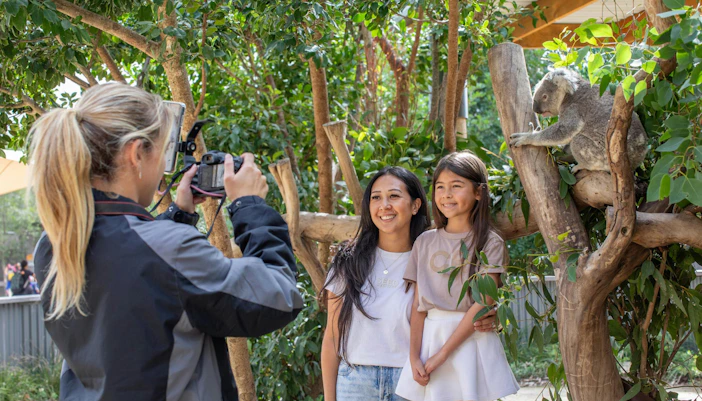
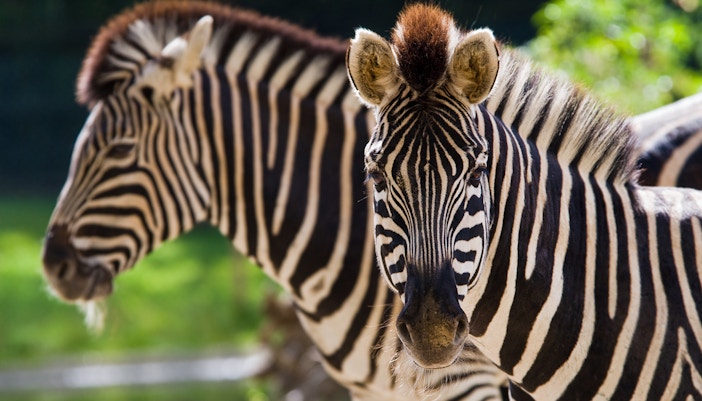
- If you can, start high and work downward. Enter through Sklenářka Gate or use the chairlift early, then begin with the gorillas, continue across Elephant Valley and the savannah, cut through the Indonesian Jungle Pavilion, and finish near the sea lions, penguins, and children’s areas by the main entrance. That order saves the steepest climb for the chairlift or the bus, not your legs.
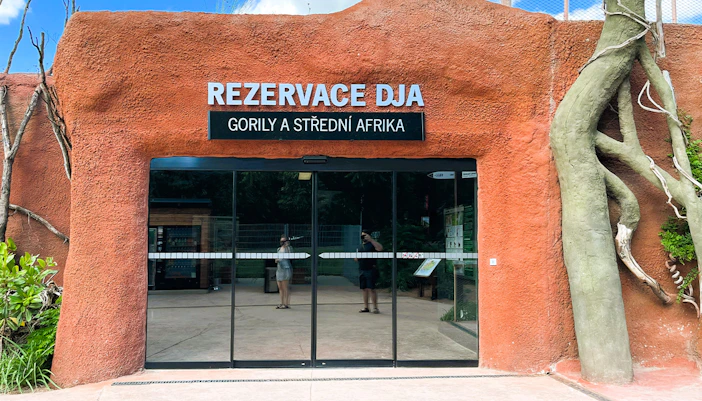
- Must-see: Dja Reserve, Elephant Valley, the African House and savannah, and the Giant Salamander House.
- Optional: Bororo Reserve and the Children’s Zoo if you are with kids, plus the sea lion feeding area if you can spare 20–30 minutes for denser crowds.
- Guided vs self-paced: Self-paced works well with a map and a plan, but guidance adds value because the site is so spread out and the rarer exhibits are easy to miss without context.
Brief History of the Prague Zoo
- 1881: The first serious proposals for a Prague zoo begin circulating, but land, funding, and political backing delay the project for decades.
- 1931: Prague Zoo opens to the public in Troja, combining public education, breeding, and scientific work from the start.
- 1930s: The zoo begins building the conservation reputation it still carries, including important early work with Przewalski’s horse.
- 2002: Catastrophic floods devastate the site, kill animals, and force a major rebuilding effort.
- 2010s: Reconstruction and modernization reshape large sections of the grounds with more naturalistic habitats and better visitor flow.
- 2022: The Dja Reserve gorilla pavilion opens, marking one of the zoo’s most important recent expansions.
- Today: Prague Zoo is one of Europe’s most-visited zoos and a major center for breeding and reintroduction programs.
Who built it?
Prague Zoo was created by the City of Prague after decades of lobbying by ornithologist Jiří Janda, who pushed for a modern zoo centered on science, breeding, and public education. From the start, the ambition was civic as much as recreational: Prague wanted a zoological garden worthy of a major European capital.
Architecture of the Prague Zoo
Layout
Naturalistic hillside planning rather than grand formal symmetry. The slope makes the zoo feel like a sequence of landscapes, not a flat loop of cages.
Materials
Glass, rockwork, timber, planted earth berms, and steel-framed pavilions dominate. In spaces like the Indonesian Jungle, the materials recede behind humidity, foliage, and filtered light.
Terrain
The defining structural feat is the terraced site itself. Paths, retaining walls, and the chairlift connect steep levels without turning the visit into a purely urban walk.
On the ground
You feel the design most in the transitions, one moment you are in open hillside air, the next inside a dense tropical pavilion or overlooking a broad savannah habitat.
Design authorship
No single architect defines Prague Zoo. It is a long-built civic project shaped by Prague planners, zoo specialists, and successive pavilion designers focused increasingly on immersive habitats.
Why Prague Zoo matters to conservation
Prague Zoo is not just a place to see animals; it plays a serious role in breeding and reintroduction work, especially with Przewalski’s horse. That matters because the visit feels different when you realize some species here are part of active survival stories, not static display collections. The zoo has also built a reputation for keeping difficult, rarely seen animals, which is one reason dedicated zoo travelers rate it so highly. You leave with a stronger sense that this institution does more than entertain.
Frequently asked questions about Prague Zoo
Yes. Prague Zoo is one of the few city zoos that fills most of a day, with rare species, large habitats, and strong family infrastructure.
Most visitors need 4–6 hours, and a full day is easy if you add play areas, lunch, or slower pacing. If you are short on time, plan a top-down route and focus on the upper plateau first.
Do not miss Dja Reserve, Elephant Valley, the African House and savannah, and the Giant Salamander House. If you visit with children, build in Bororo Reserve too; it is not a throwaway stop after several hours of walking.
Yes. It works very well for families and first-timers because routes are easy to understand once you commit to an entrance strategy. The main caution is stamina: the site is large, hilly, and better with a stroller or rest plan.
Public transit is the practical default, but there is a more memorable option: River Cruise to the Prague Zoo & Entrance Ticket adds transport, guide commentary, refreshments, and entry. It suits travelers who want the journey included.
Yes. Quiet winter weekdays are usually fine for walk-up entry, but spring weekends and summer mornings are different. Pre-booked Prague Zoo Tickets save time at the entrance and make your start noticeably smoother.


